


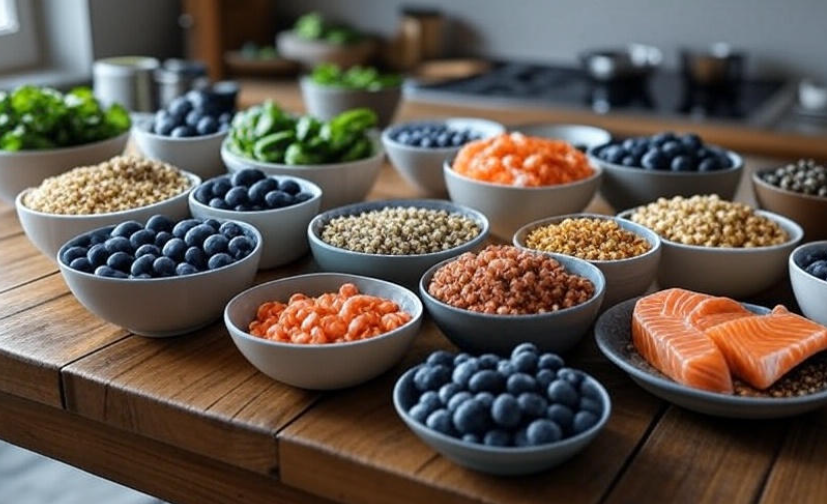

Eating healthy doesn’t have to be complicated. 🌱 Sometimes, all it takes is adding a few superfoods to your diet. These foods are packed with nutrients, antioxidants, and benefits that can improve your health in amazing ways. Let’s dive into 10 superfoods you should consider adding to your daily meals.
1. Blueberries
Blueberries are small but mighty. They are rich in antioxidants called flavonoids, which help fight inflammation and protect your cells from damage.
-
Benefits:
-
Boosts brain health 🧠
-
Supports heart health ❤️
-
Helps in managing blood sugar
-
-
How to eat:
-
Add to oatmeal or yogurt
-
Blend into smoothies
-
Eat them fresh as a snack
-
2. Spinach
Spinach is a green leafy vegetable that’s loaded with vitamins A, C, K, and minerals like iron and magnesium. It’s low in calories but high in nutrients.
-
Benefits:
-
Strengthens bones
-
Supports eye health 👀
-
Improves digestion
-
-
How to eat:
-
Toss in salads
-
Sauté with garlic as a side dish
-
Blend into green smoothies
-
3. Salmon
Salmon is a fatty fish, rich in omega-3 fatty acids. Omega-3s are essential fats that your body can’t produce on its own.
-
Benefits:
-
Improves heart health 💓
-
Reduces inflammation
-
Supports brain function
-
-
How to eat:
-
Bake with herbs
-
Grill with lemon slices
-
Add to salads or pasta dishes
-
Build a Balanced Diet Without Complicated Meal Plans
4. Quinoa
Quinoa is a protein-packed grain and a great alternative to rice. It’s also gluten-free and rich in fiber.
-
Benefits:
-
Helps in weight management ⚖️
-
Supports digestion
-
Provides sustained energy
-
-
How to eat:
-
Make a quinoa salad with veggies
-
Use as a side dish instead of rice
-
Add to soups and stews
-
5. Almonds
Almonds are not just tasty, but also a powerhouse of nutrients. They contain healthy fats, protein, and vitamin E.
-
Benefits:
-
Improves heart health
-
Supports skin health ✨
-
Helps control blood sugar
-
-
How to eat:
-
Eat raw as a snack
-
Add to oatmeal or yogurt
-
Use almond butter in smoothies
-
6. Avocado
Avocados are creamy fruits rich in monounsaturated fats, which are heart-healthy fats. They also contain fiber, potassium, and vitamins.
-
Benefits:
-
Supports heart health 💚
-
Improves digestion
-
Helps maintain healthy skin
-
-
How to eat:
-
Spread on toast
-
Add to salads or sandwiches
-
Blend into smoothies
-
7. Chia Seeds
Chia seeds are tiny but packed with omega-3s, fiber, and antioxidants. They are perfect for adding extra nutrition without changing your meals.
-
Benefits:
-
Supports digestion
-
Helps with weight management
-
Boosts energy
-
-
How to eat:
-
Sprinkle on yogurt or oatmeal
-
Make chia pudding with milk or plant-based milk
-
Add to smoothies
-
8. Sweet Potatoes
Sweet potatoes are root vegetables that are loaded with fiber, vitamins, and antioxidants. They’re also low on the glycemic index, which means they won’t spike your blood sugar.
-
Benefits:
-
Improves vision 👁️
-
Supports immune system
-
Helps in maintaining healthy blood sugar
-
-
How to eat:
-
Bake as fries
-
Roast with olive oil
-
Mash as a side dish
-
9. Greek Yogurt
Greek yogurt is creamy, high in protein, and rich in probiotics. Probiotics are beneficial bacteria that support your gut health.
-
Benefits:
-
Improves digestion
-
Supports bone health 🦴
-
Helps in weight management
-
-
How to eat:
-
Add fruits or honey
-
Use in smoothies
-
Mix with nuts or granola
-
10. Turmeric
Turmeric is a golden spice with a compound called curcumin, known for its anti-inflammatory and antioxidant properties.
-
Benefits:
-
Reduces inflammation
-
Supports joint health 🦵
-
Boosts immunity
-
-
How to eat:
-
Add to curries or soups
-
Mix in warm milk (golden milk)
-
Use in smoothies or salad dressings
-
Quick Comparison Table of Superfoods
| Superfood | Key Nutrients | Main Benefit | How to Use |
|---|---|---|---|
| Blueberries | Antioxidants, Vitamins C & K | Brain & heart health | Smoothies, snacks |
| Spinach | Vitamins A, C, K, Iron | Eye & bone health | Salads, smoothies |
| Salmon | Omega-3, Protein | Heart & brain health | Grilled, baked |
| Quinoa | Protein, Fiber | Digestion & energy | Salads, side dishes |
| Almonds | Vitamin E, Healthy fats | Heart & skin health | Snacks, oatmeal |
| Avocado | Healthy fats, Potassium | Heart & skin health | Toast, salads |
| Chia Seeds | Omega-3, Fiber, Antioxidants | Digestion & energy | Pudding, smoothies |
| Sweet Potatoes | Fiber, Vitamins A & C | Blood sugar & vision | Roasted, mashed |
| Greek Yogurt | Protein, Probiotics | Digestion & bone health | Breakfast, smoothies |
| Turmeric | Curcumin | Anti-inflammatory, immunity | Curries, golden milk |
FAQs About Superfoods
Q1: Can I eat all these superfoods every day?
Yes, but in moderation. Variety is key. Eating a mix of these superfoods ensures you get all essential nutrients.
Q2: Are superfoods only for weight loss?
No! While some help with weight management, superfoods mainly boost overall health, energy, and immunity.
Q3: Can kids benefit from superfoods?
Absolutely. Fruits, vegetables, and foods like Greek yogurt or quinoa are great for kids’ growth and development.
Q4: Do superfoods replace medicine?
No. Superfoods support health but do not replace medical treatment. Always consult a doctor if you have health issues.
Q5: How do I start adding superfoods to my diet?
Start small. Add one or two superfoods a week and gradually build a healthy routine. Mix them into meals you already enjoy.
Conclusion
Adding these superfoods to your diet doesn’t require a huge change. 🌟 Just small steps—like tossing blueberries into your breakfast or adding avocado to lunch—can make a huge difference. Your body will thank you, and over time, you’ll notice better energy, mood, and overall health.




Comments are closed.