





Introduction
Gut health plays a big role in your daily life. Many people do not think about their gut until they feel pain or face stomach issues. But your gut works every day to break down food and help your body get energy. When your gut works well you feel light active and fresh. When it does not work well you may feel tired bloated or low in mood.
Digestion is not just about food. It also affects your immune system your skin your sleep and even your mental health. A healthy gut supports better wellness in many ways. In this guide you will learn how gut health works why it matters and how you can improve it in simple ways. The tips are easy to follow and safe for daily life.
If you care about long term health then you must care about your gut.
What Is Gut Health?
Gut health means the balance of good and bad bacteria in your digestive system. Your gut has trillions of tiny microbes. These microbes help break down food and absorb nutrients. They also protect your body from harmful germs. When the balance is good your digestion runs smooth. You feel less gas less pain and better energy.
When the balance is poor harmful bacteria grow fast. This can cause stomach pain loose stool hard stool or other issues. A healthy gut also helps control weight mood and sleep. It supports many body systems. That is why gut health is very important for total wellness.

How Digestion Works in the Body
Digestion starts in your mouth. When you chew food, your saliva starts to break it down. Then food moves to your stomach. The stomach uses acid to break food into small parts. After that food goes to the small intestine. This is where most nutrients are absorbed.
Then waste moves to the large intestine. Here water is absorbed and waste is formed into stool. The gut lining also acts like a gate. It lets good nutrients enter the blood and blocks harmful toxins. When this lining is strong your body stays safe. When it is weak you may face health problems.
Signs of Poor Gut Health
Many people ignore early signs of poor gut health. Some common signs include gas bloating stomach pain and slow digestion. You may also face acid reflux or heartburn. Other signs are not always linked to the stomach. You may feel tired without reason.
You may have skin problems like acne. Some people face mood swings or feel anxious. Frequent illness is also a sign. Since much of your immune system lives in your gut poor gut health can lower your body defense. If you notice these signs, it is time to improve your gut care.
Benefits of a Healthy Gut
A healthy gut gives you more than good digestion. It helps your body absorb vitamins and minerals better. This leads to strong bones healthy skin and steady energy. It also supports your immune system. A strong gut can fight harmful bacteria and viruses. You may fall sick less often.
Your mood also improves. The gut and brain are linked. This link is often called the gut brain axis. When your gut is balanced your mood feels stable and calm. Better sleep is another benefit. Many gut bacteria help control sleep hormones. A healthy gut can help you rest well at night.
Best Foods for Gut Health
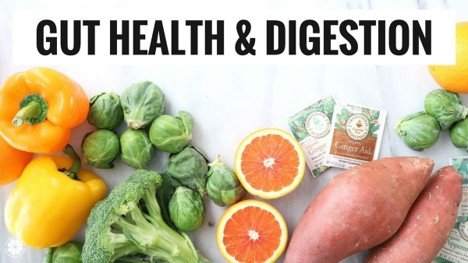
Food plays a key role in gut health. Fiber rich foods are very helpful. Fruits like apple and banana support digestion. Vegetables like carrot spinach and broccoli are also good. Whole grains like oats and brown rice feed good bacteria. Beans and lentils also support gut balance.
- Eat fiber rich fruits like apple and banana to support smooth digestion
- Add fresh vegetables like carrot spinach and broccoli to your daily meals
- Choose whole grains like oats and brown rice to feed good bacteria
- Include beans and lentils to improve gut balance
- Use fermented foods like yogurt kefir and sauerkraut and drink enough water daily
Fermented foods are very useful. Yogurt kefir and sauerkraut contain live bacteria. These good bacteria help restore gut balance. Drink enough water each day. Water helps move food through the gut and prevents hard stool.

Role of Probiotics and Prebiotics
Probiotics are live good bacteria. They help increase healthy microbes in your gut. You can get probiotics from yogurt kefir and some supplements. Prebiotics are food for good bacteria. They help probiotics grow and stay active.
Foods like garlic onion banana and oats contain prebiotics. Both probiotics and prebiotics are important. Together they support strong digestion and better wellness. Always choose natural food sources first before using supplements.
Lifestyle Habits That Improve Digestion
Your daily habits affect your gut. Eating too fast can cause poor digestion. Chew food slowly and eat in a calm place. Stress is a big factor. High stress can upset your stomach and harm gut bacteria. Try deep breathing light exercise or prayer to relax.
Sleep also matters. Poor sleep can disturb gut balance. Aim for seven to eight hours of rest each night. Regular exercise helps food move through the gut. Walking for thirty minutes daily can improve digestion.
How Sugar and Processed Food Harm the Gut
Too much sugar feeds bad bacteria. This can disturb gut balance. Processed food often lacks fiber and nutrients. It may contain chemicals that harm the gut lining. Fast food fried snacks and sweet drinks can lead to bloating and slow digestion.
Over time they may cause long term health problems. Try to reduce junk food. Choose fresh home cooked meals. Small changes in diet can make a big difference in gut health.
Gut Health and Mental Wellness
The gut and brain share a close link. This link is known as the gut brain axis. Good bacteria help produce chemicals like serotonin. Serotonin affects mood and sleep. When your gut is healthy you may feel calm and happy.
When it is not you may feel anxious or low. Many studies show that gut health supports mental clarity. A balanced gut may reduce stress and improve focus. Taking care of your digestion can also protect your mental health.
Simple Daily Plan for Better Gut Health
Start your day with warm water. It helps wake up your digestive system. Eat a fiber rich breakfast like oats or fruit. Add vegetables to lunch and dinner. Include yogurt or another fermented food daily. Drink enough water through the day.
Avoid late-night heavy meals. Try to eat dinner at least two hours before sleep. Walk for a few minutes after meals. Stay active manage stress and sleep well. These small daily steps support long term gut health and better wellness.
FAQs
Q1. Is gut health important for weight loss
Yes, a healthy gut supports better metabolism and may help manage weight.
Q2. How long does it take to improve gut health
You may see small changes in a few weeks if you follow healthy habits daily.
Q3. Can stress damage gut health
Yes, long-term stress can harm digestion and upset gut balance.
Q4. Are supplements needed for gut health
Not always. Healthy food and lifestyle are often enough for most people.
Q5. Does water help digestion
Yes, water helps move food through the gut and prevents hard stool.
Final Thoughts
Gut health and digestion are key parts of total wellness. Your gut affects your energy mood sleep and immune system. Taking care of it is not hard. Simple food choices daily movement and stress control can improve your gut health.
Do not wait for pain or illness. Start small changes today. Eat fresh food drink water sleep well and stay active. Your body will thank you. A healthy gut leads to better wellness and a better life.