


Introduction
Weight loss is one of the most popular health trending subjects on the internet, but there are also many myths, fad diets, and promises. There are always new trends in the market every year that promise the quickest or easiest weight loss methods possible, ranging from detox drinks to restrictive eating plans and even miracle supplements. Some of these methods can be effective in the short term, but few can be sustained or will result in weight being regained.
Actually, sustainable weight loss is not about any particular diet, food, or exercise plan. Rather, it is the development of healthy habits that help to ensure your body’s long-term health. Recent studies confirm that a balanced diet, exercise, good sleep, stress coping, and routine are much more effective than any “cure”.
Today in 2026, it’s no longer about quick get-rich schemes for weight loss, but it’s about creating healthier lifestyles that are attainable and sustainable. You might be looking to shed some pounds, enhance fitness, or cut down on your health risks, so it’s essential that you understand what really works and what you need to stay clear of.
Understanding Weight Loss
Weight loss is essentially the process of using more energy (calories) than the body obtains from eating and drinking over a period of time. This can be termed as a calorie deficit.
But there are a number of factors that affect the body’s weight management processes, such as:
- Eating habits
- Physical activity
- Sleep quality
- Stress levels
- Age
- Genetics
- Medical conditions
- Hormonal changes
There is no one-size-fits-all approach to losing weight.
What Actually Works for Healthy Weight Loss?
Eat a balanced diet.
Don’t cut out food groups but instead strive for a well-balanced food pattern.
The elements of a healthy plate are:
Plenty of vegetables
- Fruits
- Whole grains
- Lean protein
- Healthy fats
- High-fiber foods
Balanced meals help to keep you full and healthy and compel you to eat healthily in the long run.
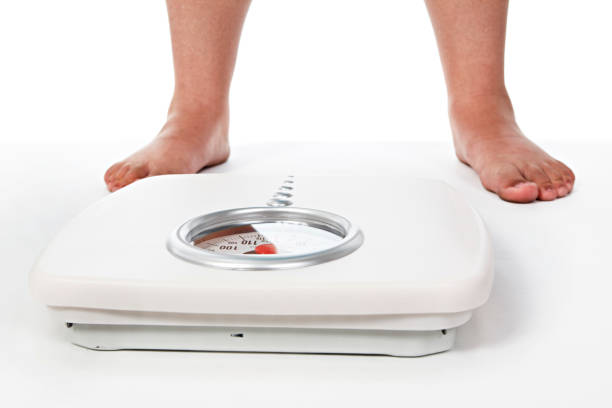
Make a Sustainable Calorie Deficit
Calorie balance will be important, but restricting calories too far can also cause fatigue, hunger, and muscle loss.
If you need to lose weight, a moderate deficit will usually be easier to maintain and will help you lose weight slowly and in a healthy way, with minimal loss of muscle mass.
The aim is to move forward, not be perfect.
Prioritize Protein
Protein is one of the most critical nutrients while losing weight.
It helps:
- Increase fullness
- Preserve lean muscle
- Support recovery from exercise.
- Cut down on the amount of empty calories in between meals.
- Good sources of protein are:
- Chicken
- Fish
- Eggs
- Greek yogurt
- Beans
- Lentils
- Tofu
- Cottage cheese
Eating protein at every meal not only makes eating healthy more rewarding but can also help keep hunger at bay.
Stay Physically Active
Exercise also helps with weight loss by burning more calories in a day and helping to improve overall health.
The best combination is to do cardio and strength training.
Examples include:
- Walking
- Cycling
- Swimming
- Running
- Resistance training
- Bodyweight exercises
- Yoga
| Healthy Weight Loss Habit | Why It Works |
| Balanced Diet | Supports proper nutrition and satiety |
| Regular Exercise | Burns calories and improves fitness |
| Protein Intake | Helps maintain muscle and reduce hunger |
| Quality Sleep | Supports appetite regulation |
| Consistency | Encourages sustainable results |
Weight Loss Myths You Should Stop Believing
Here are some weight loss myths that you’ll want to leave behind.
Myth #1: Carbs Cause Weight Gain
Not all carbohydrates are bad. Whole-grain breads, oats, brown rice, fruits, and vegetables are good sources of nutrients and fiber.
It is more often a problem of too many calories, not carbohydrates.
Contrary to popular belief, you shed fat slower when you skip meals than when you eat them.
Myth #3: Fat-Burning Supplements Are the Cure-All
Numerous supplements claim to accelerate fat loss, with few having solid scientific research to back up any major fat loss benefits.
The best way to manage weight in the long-term is still healthy eating and regular exercise.
Myth #4: Exercise for Hours Each Day
Long workouts aren’t necessary for successful weight loss.
Moderate exercise for 30-60 minutes each day, along with good nutrition, can help with gradual improvements.
Intensity is not as important as consistency.
Don’t Overlook Sleep and Stress
Weight management is greatly affected by sleep and stress.
Not getting enough sleep can affect hormones involved in hunger and fullness and lead to poor eating habits.
Likewise, for some people, chronic stress can lead to overeating or eating for emotional reasons.
Stress can be managed in healthy ways, such as:
- Meditation
- Deep breathing
- Walking outdoors
- Reading
- Being with family and friends
- Practicing hobbies
Adults need a good night’s sleep of 7-9 hours.
The Role of Hydration
Reducing water intake can impact overall health but can also help with weight management.
Water can:
- Support to keep energy levels up. Maintain energy levels.
- Replace sugary beverages
- Support digestion
- Promote feelings of fullness before meals
A reusable water bottle will make it easier to keep you hydrated all day.

Healthy Habits That Lead to Long-Term Success
Weight loss needs to be consistent, not perfect.
Here are some habits to focus on each day:
| Healthy Habit | Long-Term Benefit |
| Eat mostly whole foods | Better nutrition and satisfaction |
| Stay active daily | Supports calorie balance |
| Drink enough water | Promotes overall health |
| Sleep 7–9 hours | Supports healthy appetite regulation |
| Manage stress | Reduces emotional eating |
| Track progress realistically. | Encourages motivation without obsession |
Keep in mind that weight loss is not a linear process. It is okay to have some small fluctuations; don’t be discouraged.
Frequently Asked Questions
1) How fast should you lose weight?
Slow weight loss is usually a more sustainable weight loss for many adults than fast weight loss. They will have different goals and timelines to achieve them, and it is best to set your focus on healthy habits in the long-term and not just on fast results.
2) Will I have to sacrifice my favorite foods?
No. Eating a whole salad without adding any of your favorite foods makes it challenging to make eating healthy. It’s ok to treat them from time to time as long as it fits into a well-rounded eating plan.
Conclusion
The reality of weight loss in 2026 is an undeniably clear one: there are no magical food combinations, powders, pills, or any quick fix to take the place of a healthy lifestyle. Consistent eating of a good, balanced diet, a moderate calorie deficit, keeping active, getting adequate rest, avoiding stress, and being consistent over time all lead to lasting weight loss.
Don’t jump on the bandwagon; seek routines to sustain for years, not weeks. The little things done right consistently can have the greatest impact and are most lasting.