



Introduction
Everyone has experienced it. You resolve to eat better, download an eight-week strict diet plan, print out a long grocery list, and spend Sunday chopping up some plain chicken breast, steaming some broccoli, and making some dry brown rice for the week. You’re so tired of the same tastes by Wednesday evening, and so fed up with the hard and fast rules, that you’re eager to throw in the towel.
The reality is that you don’t need a complicated meal plan, a kitchen scale, or a high-dollar tracking app to get you to your health goals. Most people don’t follow a diet that is set in stone because they have other factors going on in their lives that result in late nights at work, social events, or just no longer wanting to eat what’s written on a piece of paper. If you want to have a balanced diet that is going to last, then you need a simple, flexible, and long-term approach.
This book offers a hands-on and easy-to-follow method for feeding your body without all the mind-numbing chaos involved in counting calories.
Why Complicated Meal Plans Fail
When dieting is done the old-fashioned way, it never works because of the absolute restriction and mathematical precision. They view the human body as a calculator where all inputs and outputs are the same each day.The truth is that it takes time and practice to establish a sustained nutrition plan, not just a good intention. If your diet is something you have to do, your brain will rebel!In addition, fixed means no learning about food autonomy. When a plan specifies your meal at 1pm on a Tuesday, you never learn how to make a meal decision at a restaurant, buffet or empty fridge. Switching from rules to adaptable systems provides you with a set of lifelong skills that will help you stay healthy anywhere.
When dining out, you can use your hand as a unique measuring device:
Your Palm
This is to help determine the amount of protein portion.
Your Fist
Calculate the amount of non-starchy vegetables you need.
Your Cupped Hand
This is used to figure out how many portions of complex carbohydrates you will need.
Your Thumb
Will help you find the correct healthy fat amount.
The Core Framework: The Balanced Plate Method
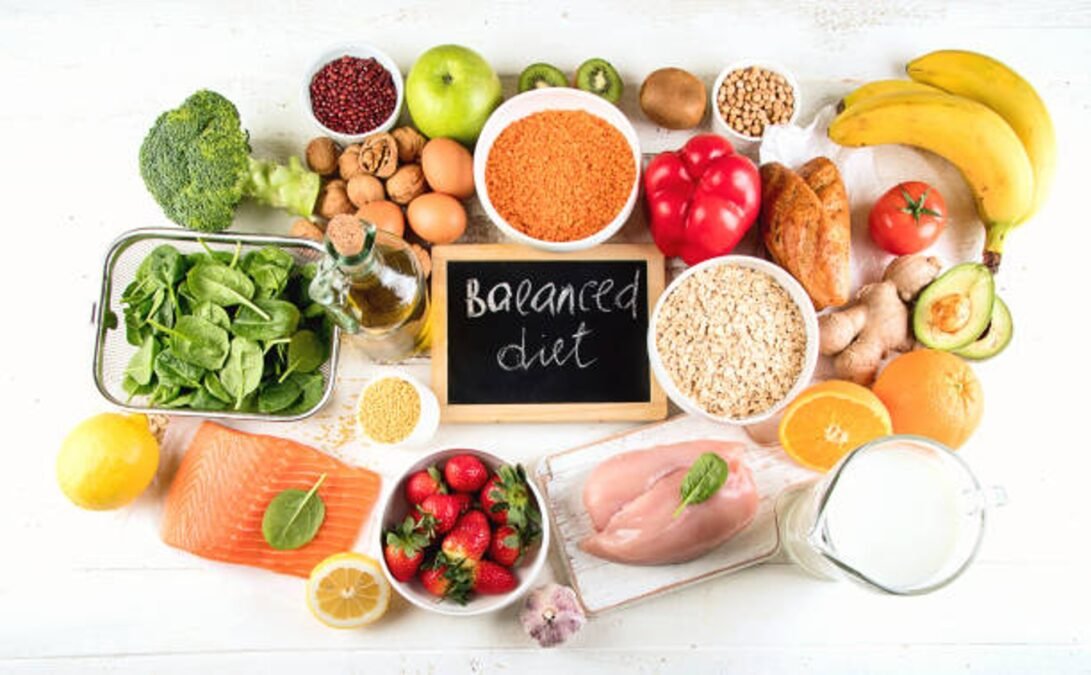
The easiest way to build a balanced diet without measuring food is to visually divide your plate. This visual system ensures your body receives the correct proportions of macronutrients (proteins, carbohydrates, and healthy fats) alongside essential micronutrients automatically.
For your primary meals, aim for the following nutritional distribution:
|
Plate Section |
Target Proportion | Primary Food Sources |
Key Nutritional Benefit |
|
Non-Starchy Vegetables |
Half the Plate (50%) | Spinach, broccoli, bell peppers, cucumbers, tomatoes | Packed with fiber and vitamins; keeps you full without excess calories. |
|
Lean Proteins |
A Quarter Plate (25%) | Eggs, lentils, chickpeas, tofu, paneer, fish, poultry |
Preserves lean muscle mass, boosts metabolism, and stabilizes hunger. |
|
Complex Carbohydrates |
A Quarter Plate (25%) | Oats, brown rice, quinoa, sweet potatoes, whole-grain bread |
Provides sustained energy and prevents blood sugar crashes. |
| Healthy Fats | Small Accent (Top-off) | Olive oil, avocados, almonds, walnuts, chia seeds |
Essential for hormone production and brain health. |
Component Prepping: The Flexible Alternative
Conventional meal prep means you’re forced to prepare full meals ahead of time, which can lead to soggy textures and palate fatigue. Prevention is essential; for this, you should attempt component prepping. Prepare a variety of different items, but cook them individually so they can be used in different ways. You’ll be able to combine, switch, and add, and season various components, depending on your mood.
Batch-Cook Proteins
Cook a dozen eggs, cook a batch of seasoned chicken or tofu, or cook a big pot of lentils or black beans.
Wash and chop vegetables in advance.
Wash lettuce, slice bell peppers, and chop broccoli. They are more likely to be used if stored in transparent and watertight containers.
Prepare a Bulk Grain
Cook a large pot of quinoa or brown rice. Cook a large pot of quinoa or brown rice. These grains can be the blank slate for dozens of various taste combinations, whether it’s a Mediterranean bowl or stir fry.
Having these items in your refrigerator makes it easier to put a healthy meal together in under 10 minutes. You will have a degree of flexibility and it will help save some time in the kitchen for cleanup.
The Psychology of Crowding Out
Most of the traditional diet tips focus on the removal of items, such as sugar from the diet, cutting down on carbs, or avoiding snacks before bedtime. This “no” mentality activates a scarcity mentality, and you will want those forbidden foods even more. Crowding out is a very effective alternative. Rather than what you should stop eating, try to concentrate on what you’re going to add to your plate. By making a habit of feeding your body high-fiber foods, clean proteins, and sufficient water intake, you’ll find that your physical hunger signals are naturally being met. This means that you will eat less or less nutritious foods because your body has had enough.
Additions that are easy to do:
- Include some fresh spinach in your morning meal or smoothie.
- Go for a full glass of water before having a coffee or soda pop.
- Have a bowl of fresh fruit on hand for a quick snack this is either berries or sliced apples.
Practicing Mindful Eating
When dieting is a strict plan, all of your body’s biological signals are ignored. It is programmed to tell you to take a bite at a specific time of day, even if you aren’t hungry.If you do have food in your hands, turn off screens and distractions. Switch off the TV and silence the phone. When you eat mindfully, your brain registers the sensory satisfaction of the food and you will know when your body is “comfortably full.
Frequently Asked Questions (FAQs)
1) How can I get protein without counting macros?
3 times a day at least one portion the size of a palm of a high-quality protein source (e.g. eggs, tofu, lentils or lean meat).
2) Can you still lose weight if you don’t count calories?
Yes. This method of filling half your plate with high-fiber vegetables and a fourth with lean protein makes it easy to reduce calories without ever feeling hungry, creating a habit of a sustainable shortfall.
3) When going out to eat, what should I do?
Let them know you are going for a protein source first and then will eat a side of seasonal vegetables or salad rather than fried vegetables. If large quantity, you can freeze half of the meal for lunch the following day.
Conclusion
An all-or-nothing approach is not needed to reach optimal health. Wellness is the sum total of making slightly better food choices over time. Understanding the visual balanced plate method, following a flexible component prepping routine, and taking the time to learn your body’s honest hunger signals will help you to stay happy, healthy, and full without needing to worry about complicated body plans.




Comments are closed.