



Introduction
Mental health is very important for living a happy life. Many people feel stress, worry, sadness and low mood every day. Life moves fast and pressure grows from work, school and home. Simple habits can make a big difference. One habit that helps the mind and body is regular exercise. Exercise is not only good for the body but also very helpful for the brain and emotions.
When you move your body daily, your mind feels fresh, clear and positive. Thoughts become lighter, mood improves and stress reduces. This article explains in detail how regular exercise can improve mental health. It is simple, easy to follow and backed by science. You will also find practical tips to start exercising today and make your mind strong and calm.
Exercise Helps Reduce Stress
Stress is a common problem today. Work pressure, school tasks and personal challenges create tension in the mind and body. Exercise helps reduce stress naturally. When you move, your brain releases chemicals that make you feel good. These chemicals relax muscles and calm breathing. Even a short walk or simple stretching can reduce tension. Daily movement trains the brain to handle stress better.
Over time, the body and mind adapt to stress and become calmer. Exercise also improves the way your body reacts to stress. Your heart beats in a healthy way and your blood pressure stays balanced. Stress no longer overwhelms you. Regular exercise creates a peaceful mind and helps you stay focused in daily life.
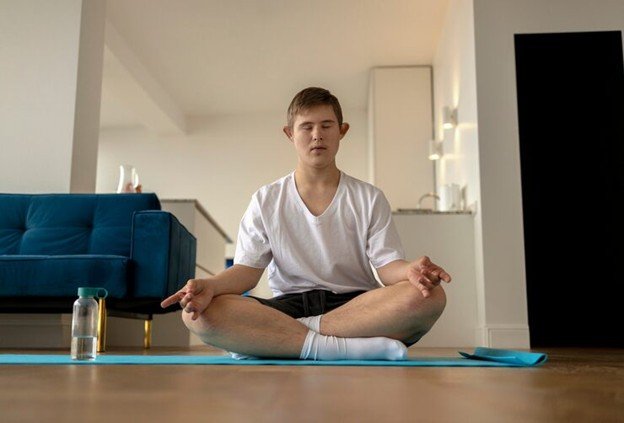
Exercise Improves Mood
Many people feel sad, low, or unmotivated without a clear reason. Exercise can lift mood in a natural way. Physical activity increases happy chemicals in the brain. These chemicals create joy, satisfaction, and calmness. Exercise also gives a sense of achievement. Completing a workout, running a small distance or even stretching gives a feeling of success. This success builds positive thoughts and confidence.
• Exercise releases happy chemicals in the brain.
• It gives a sense of achievement after movement.
• Regular exercise reduces negative thoughts and mood swings.
• It lowers boredom and feelings of loneliness.
• Daily movement makes the mind feel brighter and more balanced.
People who exercise often feel more hopeful and balanced. Mood swings become less frequent and negative thoughts do not control the mind.
Exercise Supports Better Sleep
Good sleep is very important for mental health. Poor sleep increases stress, anxiety and low mood. Exercise helps the body follow a healthy sleep routine. Physical activity makes your body tired in a healthy way. This helps you fall asleep faster and sleep more deeply. Deep sleep improves brain recovery and emotional balance.
People who exercise regularly feel rested, alert and calm during the day. Exercise also helps regulate the body clock. Morning or afternoon movement makes it easier to sleep at night. Regular exercise improves sleep quality, reduces restless nights and gives more energy for mental clarity.
Exercise Builds Self-Confidence
Low confidence affects mental health and daily life. Exercise helps build confidence step by step. As the body becomes stronger, the mind also feels stronger. Small fitness goals like running a short distance, doing ten pushups or stretching daily increase self-belief. Positive self-image improves mental balance.
Confidence reduces fear, self-doubt and negative thoughts. People who exercise regularly feel capable and motivated. They are ready to face challenges and make better decisions. Exercise is not only physical training but also a way to strengthen mental courage and self-trust. Confidence grows gradually and affects every part of life positively.

Exercise Reduces Anxiety
Anxiety is common in busy lives. It creates worry, fear and overthinking. Exercise is a natural way to reduce anxiety. Movement shifts attention from negative thoughts to the body and breath. This gives the mind a break and creates calmness. Exercise also trains the brain to stay focused and relaxed under pressure. Regular activity reduces feelings of tension and worries over time.
People feel calmer, more in control and less nervous. Anxiety does not disappear immediately, but regular exercise helps reduce its intensity. Combining exercise with deep breathing or light meditation enhances its effect. Simple exercises like walking, jogging or yoga are very effective.
Exercise Improves Brain Function
Exercise increases blood flow to the brain. More blood brings oxygen and nutrients that make brain cells work better. Memory, focus and problem-solving skills improve. Exercise also reduces mental fatigue and brain fog. Regular movement helps in learning, work and daily tasks.
• Why blood flow matters: More blood brings oxygen and nutrients to brain cells.
• Why focus improves: Active movement boosts memory and concentration.
• Why fatigue drops: Exercise reduces brain fog and tiredness.
• Why decisions get better: Regular activity makes thinking faster and clearer.
• Why aging slows: Exercise protects the brain and lowers the risk of memory loss.
Physical activity stimulates the growth of new brain cells and improves mental sharpness. People who exercise regularly are more alert, think faster and make better decisions.
Exercise Fights Depression
Depression affects mood, energy and interest in life. Exercise is a strong support for mental recovery. Physical activity increases chemicals that fight depression naturally. It also helps create a daily routine and sense of purpose. Exposure to sunlight during outdoor activity improves mood and vitamin D levels.
Even light exercise reduces feelings of hopelessness. Exercise is not a replacement for professional treatment but it works as a powerful tool to support mental well-being. Daily movement brings small joys, a sense of control and emotional balance. People who exercise often notice a lighter mood, more energy and better life satisfaction.

Exercise Builds Mental Strength and Resilience
Mental strength helps in facing life challenges. Exercise teaches patience, discipline and focus. Physical effort trains the mind to stay strong during stress. This strength transfers to daily life. People who move regularly handle challenges calmly and think clearly. Mental resilience improves confidence and emotional control.
Exercise also encourages other healthy habits. Better eating, sleeping and hydration support mental health. Daily routine with exercise creates purpose and structure. The mind becomes calm, focused, and ready for challenges. Regular exercise is a foundation for long-term mental and emotional health.
Frequently Asked Questions
Q1. How much exercise is good for mental health?
Daily light exercise for twenty to thirty minutes is enough to see mental benefits.
Q2. Can exercise replace therapy?
Exercise supports mental health but therapy may be necessary for serious issues.
Q3. Is walking enough for mental health?
Yes, walking is simple, effective, and easy to maintain regularly.
Q4. When is the best time to exercise?
Any time that fits your schedule works well for mental health.
Q5. Does exercise help everyone mentally?
Most people benefit from regular exercise but results vary by individual.
Conclusion
Regular exercise is a simple but powerful tool for mental health. It reduces stress, lifts mood, improves sleep, and builds confidence. Exercise supports brain function, reduces anxiety, and helps fight depression. It also builds mental strength and resilience. Physical activity does not need to be intense or long.
Simple daily movement can create lasting benefits for the mind and body. Making exercise a habit improves life quality, energy, focus, and emotional balance. Start small, stay consistent, and enjoy the mental strength that grows every day. A healthy body supports a strong, calm, and happy mind.