
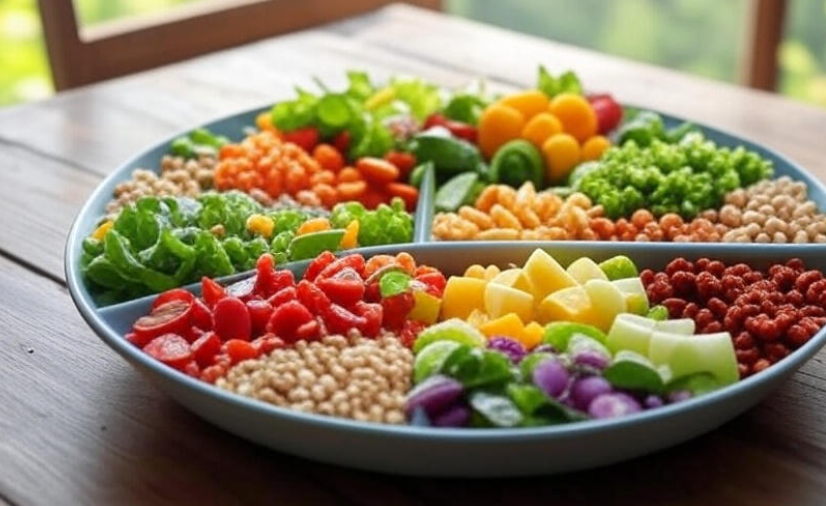

Eating healthy doesn’t have to be complicated. In fact, building a healthy plate can be as simple as following three easy steps. Whether you’re a busy professional, a parent managing family meals, or just someone trying to improve your diet, these steps can guide you toward better nutrition without stress. 🍽️
Step 1: Fill Half Your Plate with Fruits and Vegetables
Fruits and vegetables are the foundation of a healthy meal. They are packed with vitamins, minerals, fiber, and antioxidants that help protect your body from disease. A simple rule of thumb: aim to cover half of your plate with a colorful variety of fruits and vegetables.
-
Why it matters: Fiber keeps your digestive system healthy and helps you feel full, reducing overeating.
-
Tip: Mix raw and cooked options. For example, a leafy salad paired with roasted veggies adds texture and flavor.
-
Examples:
-
Leafy greens: spinach, kale, romaine
-
Colorful veggies: carrots, bell peppers, beets
-
Fruits: berries, apples, oranges
-
Fun trick: Use the “rainbow method” 🌈. Try to include at least three different colors of produce on your plate. Each color represents different nutrients your body needs.
Step 2: Add Lean Proteins
Proteins are essential for building muscles, repairing tissues, and keeping you energized. Lean proteins are the healthiest choice because they provide all these benefits without excess saturated fat.
-
Sources of lean protein:
Protein Type Examples Serving Size Poultry Chicken breast, turkey 3-4 oz Fish Salmon, tuna, cod 3-4 oz Plant-based Beans, lentils, tofu ½ cup Eggs & Dairy Eggs, Greek yogurt 1-2 eggs or ¾ cup yogurt -
Tip: Aim for protein to cover roughly a quarter of your plate. This helps with satiety and keeps blood sugar stable throughout the day.
💡 Pro tip: Mixing plant-based and animal proteins can maximize nutrient intake and keep your meals exciting.
Step 3: Choose Whole Grains or Healthy Carbs
Carbohydrates fuel your body, especially your brain. But not all carbs are created equal. Whole grains are the preferred choice because they contain fiber, vitamins, and minerals that refined grains lack.
-
Good carb options:
Carb Type Examples Serving Size Whole grains Brown rice, quinoa, whole wheat bread ½ cup cooked or 1 slice Starchy veggies Sweet potatoes, corn, peas ½ cup cooked Legumes Chickpeas, black beans ½ cup cooked -
Tip: Fill about a quarter of your plate with these carbs. They provide steady energy without causing blood sugar spikes.
✨ Extra tip: Swap out white rice or pasta for quinoa or barley to add fiber and extra nutrients.
Step 4: Add Healthy Fats in Moderation
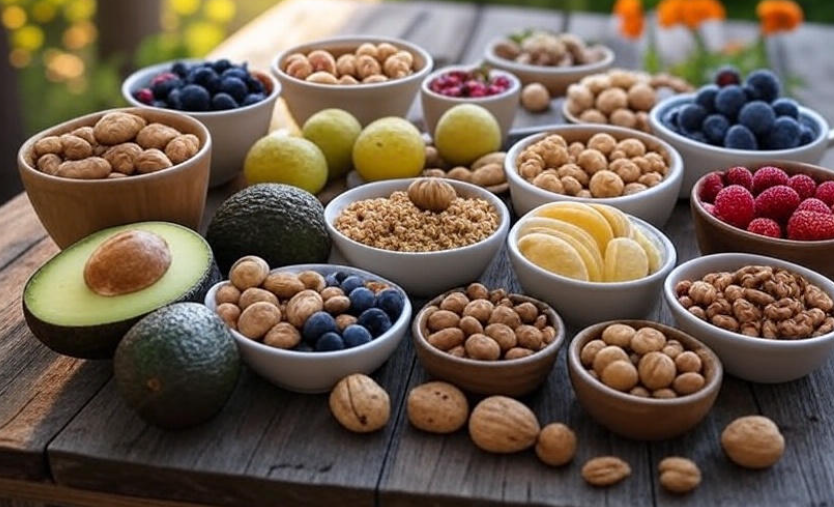
Healthy fats are crucial for heart health and absorbing certain vitamins. While they are calorie-dense, a small portion goes a long way.
-
Healthy fat sources:
-
Avocado 🥑
-
Nuts and seeds 🌰
-
Olive oil or avocado oil for cooking
-
Fatty fish like salmon or mackerel
-
💡 Tip: Drizzle olive oil over your salad or add a small handful of nuts to your meal for flavor and nutrients.
Step 5: Don’t Forget Hydration
Water is an often-overlooked part of a healthy plate. Staying hydrated aids digestion, nutrient absorption, and overall energy.
-
Tip: Aim for 8-10 glasses of water a day. Herbal teas or water-rich foods like cucumbers and watermelon count too! 💧
Step 6: Portion Control & Mindful Eating
Even with healthy foods, portion sizes matter. Eating slowly and paying attention to hunger signals helps prevent overeating.
-
Tip: Try the “plate method” – visualize your plate divided:
-
½ vegetables/fruits
-
¼ lean protein
-
¼ whole grains
-
-
Mindful eating hacks:
-
Chew thoroughly
-
Put utensils down between bites
-
Avoid distractions like TV or phone
-
Sample Healthy Plate
| Section | Food Example | Serving Size |
|---|---|---|
| Vegetables & Fruits | Steamed broccoli, cherry tomatoes, orange slices | ½ plate |
| Lean Protein | Grilled chicken breast | ¼ plate |
| Whole Grain | Quinoa or brown rice | ¼ plate |
| Healthy Fats | Olive oil drizzle + handful of almonds | Small portion |
Quick Snack Ideas
-
Apple slices with peanut butter 🍎🥜
-
Greek yogurt with berries 🍓
-
Carrot sticks with hummus 🥕
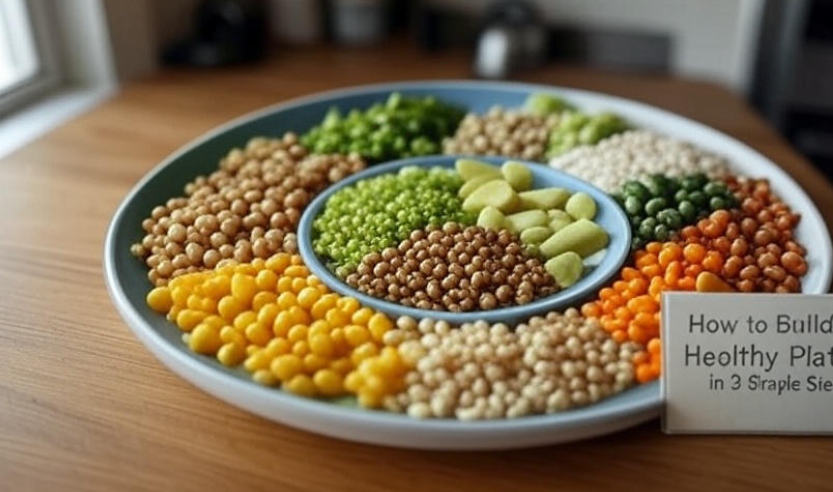
How to Build a Healthy Plate in 3 Simple Steps
FAQs About Building a Healthy Plate
Q1: Can I eat carbs at night?
Absolutely! Whole grains or starchy veggies are perfectly fine. Just watch portion sizes and combine with protein and vegetables.
Q2: Is snacking bad for me?
Not at all! Healthy snacks like fruits, nuts, or yogurt can prevent overeating during main meals.
Q3: Do I need supplements if I follow this plate method?
If you eat a variety of foods daily, supplements are usually not needed. However, consult a doctor for personal needs.
Q4: Can I follow this if I’m vegetarian or vegan?
Yes! Plant-based proteins like beans, lentils, tofu, and tempeh work perfectly. Combine with vegetables and whole grains for balanced nutrition.
Q5: How often should I eat like this?
Try to make this your daily approach. Even one or two meals like this a day can improve energy and health over time.
Final Thoughts
Building a healthy plate doesn’t have to be overwhelming. 🍽️ By following these simple steps—filling half your plate with vegetables and fruits, adding lean protein, choosing whole grains, incorporating healthy fats, and staying hydrated—you create balanced meals that nourish your body and mind.
If you liked this, don’t miss our 5-Minute Avocado Toast Upgrades 🥑 here.
Remember, small changes can lead to lasting results. Start by adjusting one meal at a time, experiment with colors and flavors, and soon, healthy eating will feel natural. 🌱








Yo, f12app, huh? Gave it a quick look. Interface is pretty clean, not gonna lie. Could be worth a punt if you’re looking for a new app. My two cents: check out f12app and see what you think!
Hey guys, just checked out tai88vinlink and gotta say, it’s pretty slick! Seems like a decent spot to try your luck. Check it out for yourselves at tai88vinlink.
Been using funinexchange247 for a little while now, and the exchange rates are decent. Withdrawals have been pretty quick too, which is always a plus. Solid so far.
777kingcom is the real deal! I’ve been playing here for a while, and I’ve actually won some money! The site is reliable, and the customer service is pretty good too. Give 777kingcom a shot!
Нужен проектор? projector24.ru большой выбор моделей для дома, офиса и бизнеса. Проекторы для кино, презентаций и обучения, официальная гарантия, консультации специалистов, гарантия качества и удобные условия покупки.
Лучшее казино upx играйте в слоты и live-казино без лишних сложностей. Простой вход, удобный интерфейс, стабильная платформа и широкий выбор игр для отдыха и развлечения.