




Introduction
Blood sugar control is very important for long term health. Many people do not think about it until they face a health problem. High blood sugar does not always show strong symptoms in the beginning. It works slowly and silently inside the body. Over time it can damage organs and reduce quality of life.
When blood sugar stays high for a long time it can harm the heart. It can damage small blood vessels. It can affect kidneys and eyes. Nerves can also become weak. On the other hand, very low blood sugar can cause sudden weakness and confusion.
Stable blood sugar gives steady energy. It helps the brain stay sharp and supports emotional balance. It also lowers the risk of serious disease later in life.
What Is Blood Sugar?
Blood sugar is the amount of glucose present in your blood. Glucose is a type of sugar that gives energy to your body. Every cell in your body needs energy to work properly. When you eat foods that contain carbohydrates your body breaks them down into glucose. This glucose enters your bloodstream.
The pancreas releases a hormone called insulin. Insulin helps move glucose from the blood into the cells. If the body does not make enough insulin or if cells do not respond well to insulin blood sugar rises. This condition is known as insulin resistance. Over time it can lead to type two diabetes.

Why Blood Sugar Control Is Important
Blood sugar control plays a major role in disease prevention. High blood sugar over many years can cause serious problems. It can increase the risk of heart disease and can lead to stroke. It can damage the kidneys and cause kidney failure.
Vision problems are also common in people with long-term high blood sugar. Small blood vessels in the eyes become weak. This may lead to blurred vision or even vision loss.
Why Blood Sugar Control Is Important
- Stable blood sugar lowers the risk of heart disease and stroke.
- Good control protects kidneys from long term failure.
- Balanced sugar levels reduce the risk of blurred vision and vision loss.
- Proper control prevents nerve damage and burning feeling in hands and feet.
- Stable blood sugar prevents shaking sweating and fast heartbeat caused by low levels.
Signs of Unbalanced Blood Sugar
The body gives warning signs when blood sugar is not stable. Many people ignore early symptoms because they seem small. High blood sugar may cause strong thirst. You may need to urinate more often. You may feel tired even after rest. Some people experience dry skin and blurred vision. Cuts and wounds may heal slowly.
Low blood sugar can cause sudden hunger. You may feel shaky or weak. Sweating without reason is also a sign. Some people feel dizzy or confused. Frequent mood swings can also be related to unstable blood sugar.
Healthy Eating for Blood Sugar Control
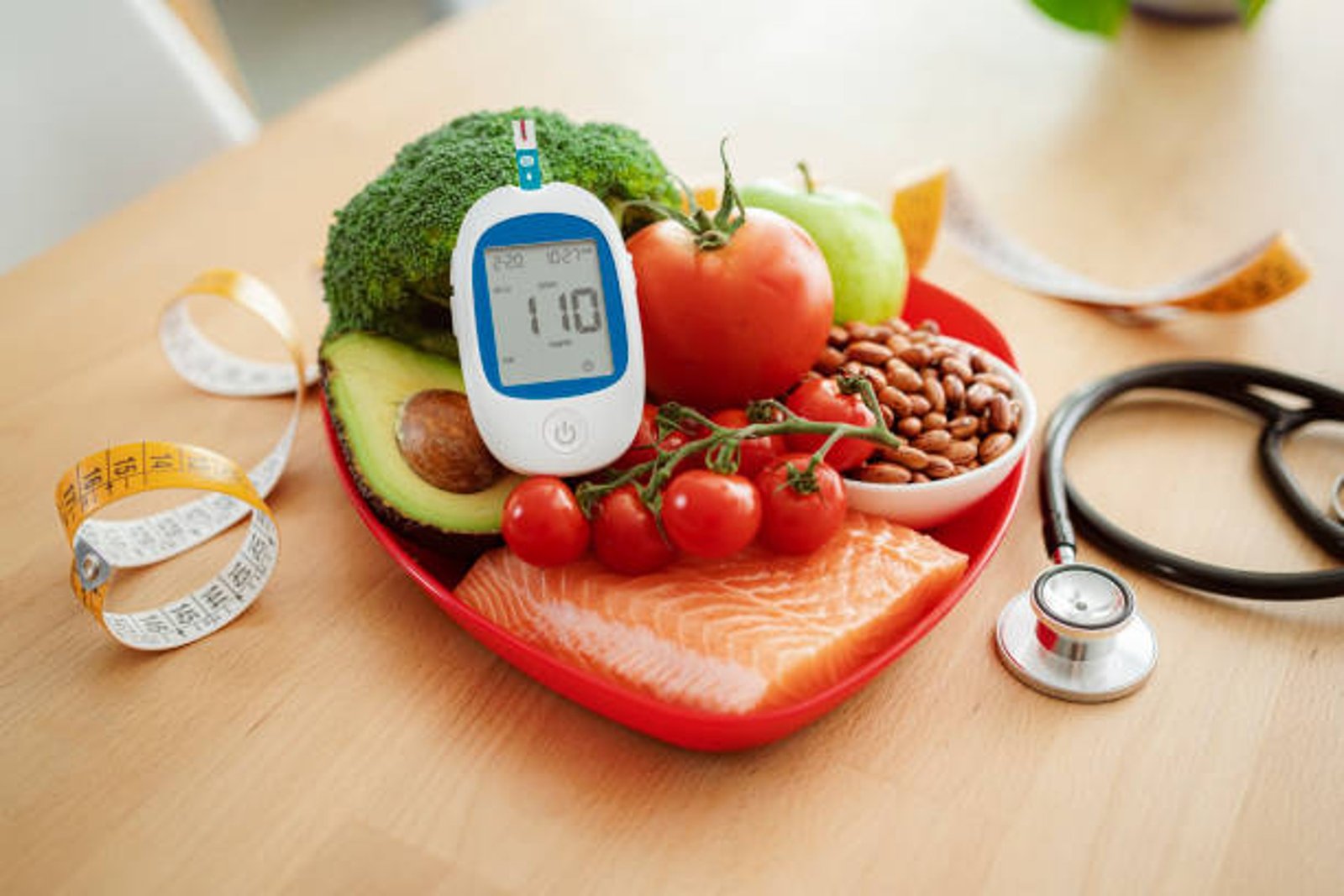
Diet is one of the most powerful tools for blood sugar control. The food you choose every day directly affects your glucose level. Choose whole foods instead of processed foods. Eat fresh vegetables. Include leafy greens in your meals. Add whole grains like brown rice and oats. These foods release sugar slowly into the blood.
Protein is also important. Include eggs fish beans or lean meat in your diet. Protein helps slow down sugar absorption. Healthy fats such as nuts and seeds also support balance. Avoid sugary drinks. Soft drinks and sweet juices cause quick spikes in blood sugar. Limit sweets and refined snacks.
The Role of Physical Activity
Physical activity is a natural way to control blood sugar. When you move your body muscles use glucose for energy. This reduces sugar levels in the blood. Regular exercise improves insulin sensitivity. This means your body can use insulin more effectively.
You do not need intense workouts. Simple walking for thirty minutes each day can make a big difference. Cycling, swimming and light jogging are also helpful. Strength training also supports glucose control. Building muscle helps the body store and use sugar better.

Stress and Blood Sugar Levels
Stress has a strong impact on blood sugar levels. When you feel stressed your body releases stress hormones. These hormones increase blood sugar to prepare the body for action. Short-term stress may not cause harm. But long-term stress keeps blood sugar high for extended periods.
Managing stress is important for stable glucose levels. Practice deep breathing exercises. Spend time in nature. Talk with friends or family. Meditation and light yoga can also calm the mind.
Importance of Regular Monitoring
Monitoring blood sugar helps you understand your body better. It shows how food and activity affect your levels. People with diabetes should test regularly as advised by their doctor. Keeping track helps prevent sudden changes.
Even if you do not have diabetes, regular health checkups are important. Blood tests during routine exams can detect early signs of imbalance. When you know your numbers, you can make better lifestyle decisions.
Weight Management and Blood Sugar
Excess body weight increases the risk of insulin resistance. Fat around the abdomen is especially harmful. Losing even a small amount of weight can improve insulin function. It can lower fasting blood sugar levels.
- Excess weight raises risk of insulin resistance
- Belly fat is especially harmful to blood sugar
- Losing small weight improves insulin function
- Balanced diet and regular exercise support healthy loss
- Focus on steady progress and celebrate small wins
Healthy weight loss comes from balanced diet and regular exercise. Avoid crash diets. They may cause sudden drops in blood sugar. Focus on steady progress. Set realistic goals. Celebrate small improvements.
Sleep and Blood Sugar Balance
Sleep plays a vital role in hormone balance. Lack of sleep reduces insulin sensitivity. This can increase blood sugar levels. People who sleep less than six hours often face higher risk of type two diabetes. Create a simple bedtime routine.
Go to bed at the same time each night. Avoid heavy meals before sleep. Reduce screen time in the evening. A calm dark room improves sleep quality. Good sleep supports energy balance and stable glucose levels during the day.

Long-Term Habits for Stable Blood Sugar
Effective blood sugar control requires consistency. It is not a short-term diet or temporary plan. It is a lifelong habit. Eat balanced meals daily. Stay active every day. Manage stress through simple relaxation methods. Sleep well each night.
Avoid extreme changes. Focus on steady, healthy routines. Regular doctor visits also support long term success. Small daily actions build strong health over time. Stable blood sugar protects your future and improves your present life.
FAQs
Q1. What is a healthy fasting blood sugar level?
A normal fasting level is usually between 70 and 99 mg per dL.
Q2. Can walking help control blood sugar?
Yes, daily walking helps muscles use glucose and lowers blood sugar.
Q3. Is rice bad for blood sugar?
White rice may raise blood sugar quickly. Brown rice is a better choice.
Q4. How does sleep affect blood sugar?
Poor sleep reduces insulin sensitivity and may raise blood sugar.
Q5. Can weight loss improve blood sugar?
Yes, even small weight loss can improve insulin function.
Final Thoughts
Effective blood sugar control is one of the most important steps for long term health. It protects your heart eyes kidneys and nerves. It improves energy mood and focus. You do not need complex methods. Simple daily habits work best. Choose healthy foods. Stay active. Manage stress. Sleep well. Monitor your health regularly. Start with small steps. Stay consistent. Over time these small efforts create powerful change. Stable blood sugar means stronger health better energy and a brighter future.




Comments are closed.