





Introduction
Good sleep is very important for your body and mind. It helps your muscles recover after exercise or physical work. Sleep also keeps your brain sharp and your mood stable. Many people do not get enough quality sleep. This can make recovery slower and affect daily life. Lack of sleep may cause tiredness, low energy and weak immunity.
By following simple tips, you can improve your sleep quality. Better sleep leads to faster recovery and more energy for your daily tasks. This article will give you practical steps to sleep better and recover faster naturally.
Why Sleep is Important for Recovery
Sleep is more than just rest. It is a time when your body repairs and strengthens itself. During deep sleep, muscles grow and tissues heal. Your brain clears out waste and stores important memories. Sleep also regulates hormones that control stress and appetite. Without enough sleep, your body cannot repair damage efficiently.
Why Sleep is Important for Recovery
- Sleep repairs and strengthens muscles and tissues.
- Deep sleep helps the brain clear waste and store memories.
- Sleep balances hormones for stress and appetite control.
- Lack of sleep slows recovery and weakens the immune system.
- Good sleep improves focus, energy, and overall health.
Set a Consistent Sleep Schedule
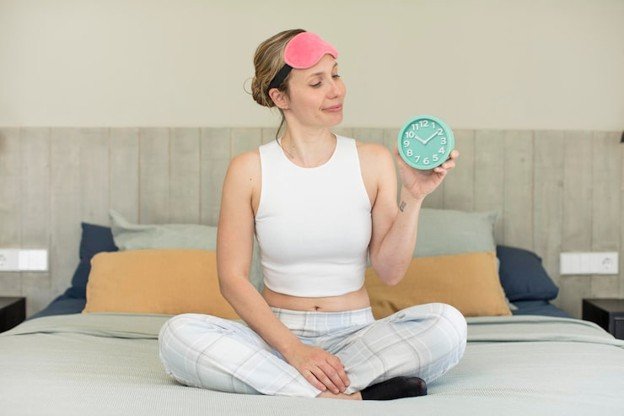
One of the most effective ways to improve sleep is to follow a consistent schedule. Go to bed and wake up at the same time every day. Your body has a natural clock called the circadian rhythm. It tells your body when to feel sleepy and when to wake up. If you follow a routine, your sleep becomes deeper and more refreshing.
Avoid changing your sleep schedule on weekends. Consistency trains your body to fall asleep faster. Even small adjustments to your bedtime can improve sleep quality. Over time, a fixed sleep schedule helps your body recover more efficiently.
Create a Sleep-Friendly Environment
Your bedroom should be calm and quiet. A dark, cool and comfortable room signals your body that it is time to rest. Bright lights and loud sounds can disturb sleep. Use soft bedding and a good mattress for support. Keep your room clean and organized. Remove gadgets that distract you.
A peaceful environment helps you fall asleep faster. It also improves deep sleep stages. Your body can repair muscles and restore energy more effectively in a calm setting. Small changes in your room, like blackout curtains or white noise, can make a big difference in your sleep quality.
Limit Screen Time Before Bed
Screens from phones, tablets, and computers give off blue light. Blue light reduces melatonin, the hormone that makes you sleepy. Avoid screens at least one hour before bed. Instead, read a book, listen to calming music or meditate.
These activities relax your mind and prepare your body for sleep. Even dim lighting can help your body enter a restful state. Limiting screen time improves the quality of deep sleep and makes recovery faster.
Watch Your Diet and Drinks
What you eat and drink affects your sleep quality. Avoid caffeine, energy drinks, or sugary snacks in the evening. Heavy meals before bed can make sleep uncomfortable. Drink water during the day but limit fluids close to bedtime. Some foods naturally help you sleep.
Bananas, almonds, oats and warm milk can promote relaxation. Eating balanced meals during the day supports better sleep at night. Proper nutrition combined with sleep helps your body repair tissues and replenish energy.
Manage Stress and Relax
Stress can make it hard to fall asleep. Your mind may keep thinking about work or problems. Take time to relax before bed. Deep breathing exercises, meditation, or gentle stretches calm your body and mind.
Journaling or writing down your thoughts can reduce stress. A calm mind allows faster sleep and better recovery. Managing stress is a key part of improving sleep. It also helps you wake up refreshed and ready for the day.
Include Light Exercise in Your Routine
Regular light exercise improves sleep quality. Walking, yoga, or stretching helps your body feel ready for rest. Exercise increases energy during the day but relaxes your muscles at night. Avoid heavy workouts close to bedtime. Intense activity can make you alert and delay sleep.
Gentle movement supports your circadian rhythm. Active days help your body repair itself efficiently while you sleep. Over time, regular exercise combined with good sleep improves overall health and recovery.
Avoid Alcohol and Smoking
Alcohol may make you feel sleepy, but it reduces deep sleep. Smoking or nicotine before bed also affects sleep cycles. Avoid these habits in the evening. Healthy sleep habits improve your hormone balance and muscle repair.
- Alcohol reduces deep sleep quality.
- Nicotine disrupts natural sleep cycles.
- Avoiding these habits improves hormone balance.
- Better sleep helps muscle repair and recovery.
- Deeper sleep boosts energy and mental focus.
Better sleep supports your immune system and keeps your mind sharp. Reducing alcohol and smoking promotes deeper sleep stages. This helps your body recover faster and feel more energized in the morning.

Use Natural Sleep Aids if Needed
Natural aids can support better sleep. Herbal teas like chamomile or peppermint help relax your body. Essential oils such as lavender can create a calming environment. Magnesium or melatonin supplements may help in some cases. Always use natural aids safely.
Avoid depending on them long-term. Natural sleep aids combined with good habits improve overall sleep quality. Better sleep enhances recovery and keeps your body functioning optimally.
FAQs
Q1: How many hours of sleep do I need for recovery?
Adults need about seven to nine hours of sleep per night. Quality sleep is important for full recovery.
Q2: Can naps help recovery?
Yes. Short naps of 20 to 30 minutes refresh your body and mind without affecting your night’s sleep.
Q3: Is deep sleep more important than total sleep?
Yes. Deep sleep is when most muscle repair and hormone balance occur.
Q4: Can sleep improve workout results?
Yes. Good sleep boosts strength, focus, and endurance during exercise and daily tasks.
Q5: What if I have trouble falling asleep?
Follow a bedtime routine, limit screens, manage stress and keep a consistent schedule.
Final Thoughts
Sleep is one of the simplest and most effective ways to recover faster. A good sleep schedule, relaxing environment, healthy diet, and light exercise all improve sleep quality. Avoid alcohol, nicotine, and late-night screens. Use natural aids if needed. Tracking your sleep helps you improve your habits.
Better sleep means better recovery, higher energy, and improved health. Start small and build consistent routines. Over time, these steps will make a noticeable difference in how fast your body recovers and how fresh you feel each day.