



Introduction
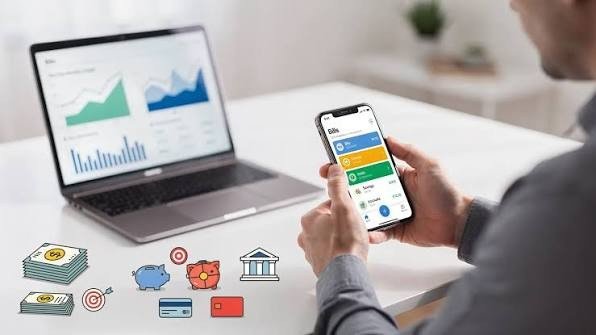
Managing money has become easier with the rise of personal finance apps. Instead of keeping every expense in a notebook or building complex spreadsheets, you can now use an app to track spending, plan a budget, monitor bills, set savings goals, and review your financial progress from your phone. In 2026, many apps also use automation and AI to make these tasks faster and more personal.
Recent comparisons from major finance publications show that leading apps now focus on different needs such as budgeting discipline, household finances, subscription tracking, wealth planning, and spending insights.
The best apps for managing your money are not always the ones with the most features. The right choice depends on your income, spending habits, financial goals, and how much control you want over your budget. Some people need a simple expense tracker. Others need help with debt, savings, investments, or shared family finances.
Read how to make money online without investment?
Why Use a Money Management App?
A money management app can give you a clear view of where your money goes each month. This can be useful when you are trying to reduce spending or build an emergency fund. Many modern budgeting apps can connect to financial accounts and automatically record transactions. Some can also sort expenses into groups such as food, housing, travel, shopping, and bills.
This reduces the need for manual data entry and makes it easier to review your spending. The main benefit is awareness. When your spending is visible, it becomes easier to spot habits that may be holding back your financial goals.
YNAB for Budgeting Discipline
YNAB is a strong option for people who want a clear and active budgeting system. Its approach focuses on giving every dollar a purpose before you spend it. This can be useful if you often reach the end of the month without knowing where your income went.
- Clear Budgeting: Give every dollar a purpose.
- Better Spending: Track where your money goes.
- Save More: Set clear savings goals.
- Reduce Debt: Plan payments with ease.
- Build Habits: Create better money habits.
Rather than only showing past spending, a structured budget can help you plan for bills, savings, debt payments, and other needs. YNAB is especially useful for people who want to build strong budgeting habits. Its method requires more involvement than some automatic apps.
Monarch Money for Overall Money Management
Monarch Money is designed for people who want to see more of their financial life in one place. It can help users track accounts, budgets, investments, goals and net worth. It can also be useful for couples who want to manage shared finances while keeping some personal spending separate.
Current 2026 comparisons often highlight Monarch Money for couples and broad financial tracking. This type of app can save time because you do not have to switch between several tools to review your financial position.
Rocket Money for Bills and Subscriptions
Subscription costs can become a hidden drain on your monthly budget. Streaming services, memberships, software plans, and other recurring charges may seem small on their own. Together, they can become a large expense.
Rocket Money focuses heavily on subscription management and recurring bills. It can help users identify subscriptions and review recurring expenses. Some features may also help users cancel unwanted services or reduce certain bills.
Empower for Net Worth Tracking
People who are focused on long-term wealth may want more than a simple budgeting app. They may also want to see investments, retirement accounts, savings, and other assets. Empower is known for financial dashboards that can help users view their broader financial picture.
It can be useful for tracking net worth and reviewing investment-related information. Net worth tracking is valuable because it shifts attention from daily spending to long-term progress.
Every Dollar for Simple Budget Planning
Every Dollar uses a zero-based budgeting approach. This means you plan where your income will go instead of simply recording expenses after they happen. It can be a good fit for people who prefer a straightforward budget. Forbes Advisor has included Every Dollar among its leading budgeting apps and notes that its paid version adds features such as spending insights and paycheck planning.
The key advantage is simplicity. If you want to create a monthly budget without dealing with too many complex features, a focused budgeting app may be a better choice.
Pocket Guard for Spending Control
Pocket Guard is another option for people who want a simple view of how much money is available after accounting for bills and other planned expenses. This can help answer a common question: How much can I safely spend?
Instead of looking only at your bank balance, a budgeting tool can give you more context around upcoming obligations. That can reduce the risk of spending money that is already needed for bills.
Read how to make money online without investment?
Good Budget for Envelope Budgeting
A good budget is useful for people who like the traditional envelope budgeting method. The basic idea is simple. You divide your income into spending groups such as groceries, transportation, rent, entertainment, and savings. Each group receives a planned amount.
This method can help people who struggle with overspending in specific categories. You can see how much money remains for each area instead of treating your entire bank balance as available cash.
How AI Is Changing Money Management Apps
Artificial intelligence is becoming a bigger part of personal finance software in 2026. Some apps now use AI or automation to categorize transactions, identify spending patterns, forecast cash flow, and provide personalized insights. For example, an AI-powered finance app may notice that your food spending has increased for several months. It may then highlight the trend so you can decide whether to change your budget.
However, users should not assume that every app labeled “AI-powered” offers advanced financial guidance. Some tools mainly automate tasks that older budgeting apps already performed.
What Features Should You Look For?
Before choosing a personal finance app, consider the features that match your needs.
- Automatic expense tracking can save time by importing transactions and organizing spending.
- Budget planning is important if your main goal is to control monthly expenses.
- Savings goals can help you work toward an emergency fund, vacation, home purchase, or other target.
- Bill and subscription tracking can help identify recurring charges that you no longer need.
- Debt tracking is useful if you are working toward paying off credit cards or loans.
- Investment tracking can help people monitor their broader financial position.
- Bank-level security and privacy controls should also be important considerations. You may be connecting sensitive financial information to the app, so review its security practices and data policies before linking accounts.
Free vs. Paid Money Management Apps
A free budgeting app can be enough for someone who only wants basic expense tracking. Paid apps may offer more automation, detailed reports, investment tracking, shared accounts, or advanced planning tools. Do not choose a paid service simply because it has more features. The best personal finance app is one that you will actually use.
For example, paying for an advanced investment dashboard may not make sense if your main goal is simply to control grocery and entertainment spending. On the other hand, a paid app may be worthwhile if it helps you save more money than its subscription costs.
FAQs
Q1. What are the best apps for managing your money in 2026?
Some popular options include YNAB, Monarch Money, Rocket Money, Empower, Every Dollar, Pocket Guard, and Good Budget. The best app depends on whether you need budgeting, expense tracking, subscription management, or investment tracking.
Q2. What is the best budgeting app for beginners?
A simple budgeting app such as Every Dollar or Good Budget can be a good starting point. These apps use straightforward budgeting methods that can help beginners understand their income and expenses.
Q3. Are money management apps safe to use?
Many established finance apps use security measures to protect financial information. However, users should review an app’s security and privacy policies before connecting bank or investment accounts.
Q4. Can money management apps help you save money?
Yes. These apps can help you track spending, create savings goals, identify unnecessary expenses, and monitor recurring bills. The main benefit comes from using the information to make better spending decisions.
Q5. Are free budgeting apps worth using?
Yes. Free apps can provide useful features such as expense tracking and basic budgeting. A paid app may be worthwhile when its extra features provide enough value to justify the subscription cost.
Buy Cash Box with Money Tray and Key Lock
Final Thoughts
The best apps for managing your money in 2026 can make budgeting, saving, bill tracking, and financial planning much easier. But an app is only a tool. It cannot replace good financial habits.
YNAB may suit people who want structured budgeting. Monarch Money can work well for broader financial tracking and shared finances. Rocket Money can help with recurring expenses and subscriptions. Empower can be useful for tracking net worth. Every dollar and good budget can appeal to people who prefer clear budgeting systems.
The right choice depends on your goals. Start with the money problem you want to solve and choose an app that makes that task easier. A simple tool that you use every week can be far more valuable than an advanced app that you stop opening after a few days.