




Introduction
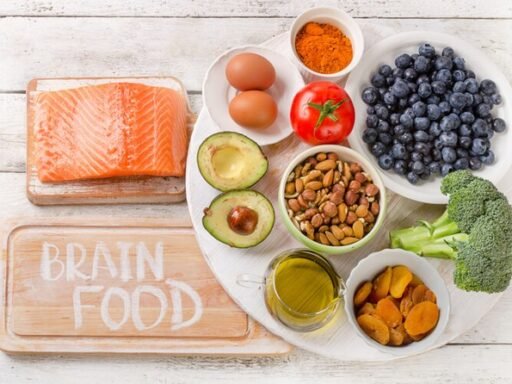
When your workday stretches past eight, ten, or even twelve hours, snacks stop being a treat and become fuel. The easiest options, like vending-machine chips, pastries, and sugary coffee drinks, tend to give a quick spike followed by a crash. Choosing nutrient-packed snacks instead can help you stay steadier and more satisfied until your next proper meal.
Below are ten quick, nutrient-packed options that need little or no preparation, plus tips for fitting them into a hectic schedule. Whether you work from home, in an office, or on the road, these nutrient-packed ideas can be adapted to local ingredients almost anywhere in the world.
Read about Healthy Snacks for School Kids
What Makes a Snack Nutrient-Packed?
A nutrient-packed snack delivers more than calories. It usually combines protein, fiber, and healthy fats with vitamins and minerals. Protein and fiber slow digestion, which helps you feel full longer, while unsaturated fats support satiety and nutrient absorption.
A simple rule of thumb: pair a fiber source (fruit, vegetables, whole grains) with a protein or fat source (yogurt, nuts, legumes, eggs). That pairing is the backbone of every nutrient-packed snack below.
10 Nutrient-Packed Snacks You Can Prepare in Minutes
Greek Yogurt with Berries and Seeds
Plain Greek yogurt provides protein and calcium, berries add fiber and antioxidants, and a sprinkle of chia or pumpkin seeds adds healthy fats. It’s a nutrient-packed choice that takes two minutes. Pick plain rather than sweetened to limit added sugar, or use unsweetened soy yogurt if you avoid dairy.
A Small Handful of Mixed Nuts
Almonds, walnuts, and pistachios offer unsaturated fats, protein, magnesium, and vitamin E. A portion is roughly 30 grams, about one small handful. Nuts are energy-dense, so portion size matters. Choose unsalted varieties where possible.
Hummus with Vegetable Sticks
Chickpea-based hummus supplies plant protein and fiber, while carrots, cucumber, and bell peppers add vitamins and crunch. Single-serve pots make this a nutrient-packed snack that travels well.
Hard-Boiled Eggs
Boil a batch on Sunday and you have grab-and-go protein, choline, and vitamin B12 for days. Most healthy people can enjoy eggs in moderation. If you have been given specific cholesterol guidance, follow your doctor’s advice.
Apple Slices with Nut Butter
The fiber in the fruit and the fat in the nut butter make a satisfying combination. Choose a nut butter with a short ingredient list (nuts, maybe salt). It’s an easy nutrient-packed option for a desk drawer.
Roasted Chickpeas
These are a crunchy, savory alternative to chips, with fiber and plant protein. Bake your own with olive oil and spices, or check the sodium on store-bought versions.
Edamame
Steamed edamame provides complete plant protein, folate, and fiber. Frozen pods microwave in about three minutes, which makes this a nutrient-packed pick for plant-based eaters.
Cottage Cheese with Fruit or Tomatoes
Cottage cheese is high in protein and pairs well with sweet or savory toppings. Sodium levels vary widely between brands, so compare labels.
Whole-Grain Crackers with Avocado or Tuna
Whole grains supply fiber and B vitamins, avocado adds healthy fats and potassium, and tuna adds protein. Together they make a nutrient-packed mini-meal. If you eat fish often, check your national or local guidance on mercury and varieties.
Homemade Oat Energy Bites
Mix oats, nut butter, seeds, and a little chopped dried fruit, then roll into balls and refrigerate. Making your own lets you control the sugar, unlike many commercial bars that behave more like candy. They are still a calorie-dense, nutrient-packed bite, so keep portions modest.
Fitting Nutrient-Packed Snacks into a Busy Schedule
Prep Once, Snack All Week
Spend 30 minutes on the weekend boiling eggs, washing vegetables, portioning nuts, and roasting chickpeas. Ready-made containers make nutrient-packed snacking almost automatic, even on your busiest days.
Build a Desk Drawer Kit
Stock shelf-stable items such as nuts, roasted chickpeas, whole-grain crackers, and single-serve nut butter. Keep perishables in a shared fridge or an insulated lunch bag. Having nutrient-packed options within reach beats relying on willpower at 4 p.m.
A Sample Plan for a Long Workday
Here is how nutrient-packed snacks might look across a 10-hour day:
- 10:30 a.m.: Greek yogurt with berries and seeds
- 3:30 p.m.: Apple slices with nut butter
- 7:00 p.m. (if working late): Edamame or hummus with vegetables
Don’t Forget Hydration
Thirst is easily mistaken for hunger, so keep water or unsweetened tea nearby. For caffeine, the U.S. Food and Drug Administration notes that up to about 400 mg a day is generally not associated with negative effects for most healthy adults. Individual tolerance varies, and pregnancy or certain conditions may call for less.
Benefits and Risks of Nutrient-Packed Snacking
Potential benefits:
Well-chosen, nutrient-packed snacks can help you steady your energy, add fiber, protein, and micronutrients to your day, and reduce reliance on ultra-processed convenience foods. How snacking affects weight and focus differs from person to person, so treat these as possible benefits rather than guarantees.
Potential risks:
- Calories add up. Even a nutrient-packed snack contributes energy, and nuts, nut butters, and energy bites are easy to overeat.
- Nuts, seeds, eggs, dairy, soy, and fish are common allergens.
- Hidden sugar and sodium. Flavored yogurts, packaged crackers, and canned products can contain more than you expect.
- Not a meal replacement. Regularly skipping meals and snacking instead can leave gaps in your diet.
- Medical conditions. If you have diabetes or kidney disease or take medication affecting your diet, ask your healthcare provider which snacks suit you.
- Marketing language. “Nutrient-packed” is a descriptive phrase, not a regulated label, so read ingredient lists rather than front-of-pack claims.
Frequently Asked Questions
Q1. What are the best nutrient-packed snacks for work?
Options that combine protein and fiber work best, such as Greek yogurt with berries, hummus with vegetables, hard-boiled eggs, or fruit with nut butter. They’re portable, quick, and need little prep.
Q2. How many snacks should I eat during a long workday?
There’s no universal number. Many people do well with one or two planned snacks between meals, adjusted for hunger, activity level, and schedule. Eat when you’re genuinely hungry rather than out of habit or stress.
Q3. Are protein bars a nutrient-packed choice?
Some are, but many are high in added sugar and highly processed. Check that the ingredient list is short, the sugar is low, and the protein and fiber are meaningful. Whole-food snacks are usually a better everyday choice.
Q4. Can nutrient-packed snacks improve energy and focus?
They can help prevent the energy dips that follow sugary, low-fiber snacks. Sleep, hydration, stress, and overall diet matter just as much, so snacks are one piece of the picture.
Q5. How do I keep nutrient-packed snacks fresh at the office?
Use an insulated bag with an ice pack or a shared fridge for perishables like yogurt, eggs, and cottage cheese. Store nuts, roasted chickpeas, and crackers in airtight containers in a drawer, and throw out anything left out too long.
Follow us on Instagram, Facebook and Thread
Final Thoughts
Eating well during long hours doesn’t require elaborate meal prep or expensive products. A few nutrient-packed staples, a little weekend planning, and a stocked desk drawer can make the healthier choice the easy one. Start with two or three snacks from this list, see how they fit your routine, and adjust for your tastes, culture, allergies, and health needs.
Remember that even the most nutrient-packed snack works best alongside balanced meals, good hydration, and enough sleep. If you have a medical condition or specific dietary needs, talk to a qualified healthcare professional or registered dietitian before changing your eating habits.
View this post on Instagram