





Introduction
In recent years, fitness trackers have grown to be one of the most sought-after health gadgets. Smartwatches and fitness bands are used by millions of people to track the number of steps taken, calories burned, heart rate, sleep and overall activity. These wearable gadgets will be able to assist consumers to stay active, enhance fitness and make better choices for their health.
But how accurate are fitness trackers? Are they really able to accurately assess your health and fitness level for exercise? Research indicates that fitness trackers can be effective at measuring general trends and encouraging healthy behaviors, but they aren’t all equally accurate in measuring each of the metrics they track.
Let’s take a look at what the research says about the accuracy of fitness trackers, which features are most reliable, what they’re not so reliable at and how to get as accurate of a reading as possible from a fitness tracker.
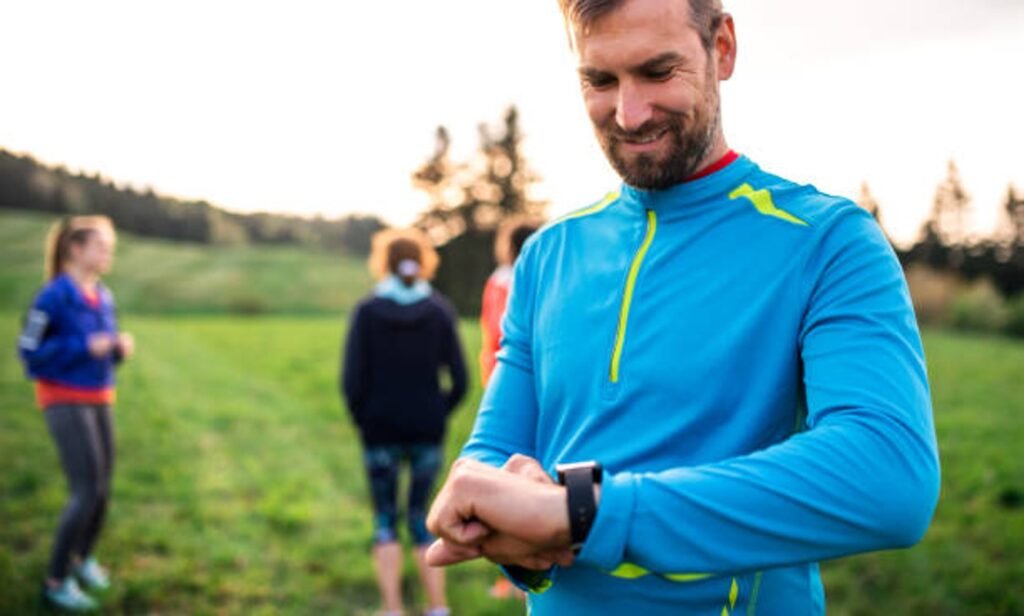
Why is fitness tracker accuracy important?
Individuals use fitness trackers to track their progress in achieving fitness goals. Correct data enables users to see what they are doing during the day, get better at training, track their recovery, and stay healthy.
Although fitness trackers aren’t medical devices, they can still offer valuable insights that can motivate you to make lifestyle changes over time. Identifying strengths and weaknesses assists users in the correct interpretation of the data.
Table 1: Fitness Tracker Features and Accuracy
| Feature | How It Works | Accuracy Level | Best For |
| Step Counting | Motion sensors | Very High | Daily activity tracking |
| Heart Rate | Optical sensors | High during rest, Moderate during exercise | General heart monitoring |
| Sleep Tracking | Motion and heart rate analysis | Moderate | Monitoring sleep patterns |
| Calories Burned | Estimated using algorithms | Moderate to low | Tracking overall activity |
How fitness trackers function.
Today’s fitness trackers are designed to integrate several sensors and artificial intelligence to calculate various health parameters.
Most of these devices are powered by:
- Accelerometers to detect movement and count steps.
- Light-based heart rate sensors that measure blood flow.
- GPS for tracking outdoor activities.
- Body orientation and movement measured by gyroscopes.
- Calorie counting algorithms that predict calories burned from activity, HR, age, weight, and gender.
All the gathered data is analyzed by its partners’ mobile applications to create comprehensive health data and activity summary reports.
Studies indicate that fitness trackers are accurate for certain measurements and less so for others.
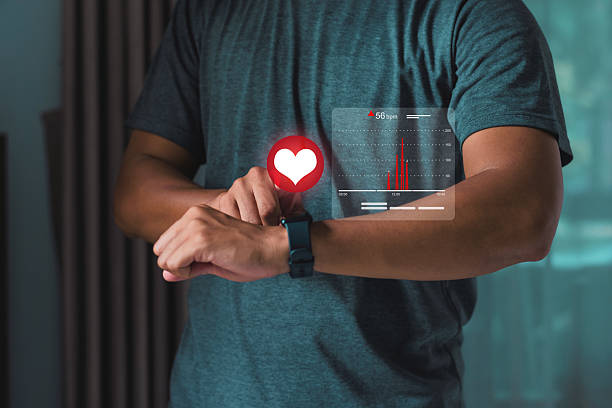
Step Counting
Multiple studies have found that step counting is one of the most accurate functions of wearable fitness trackers. During normal walking, most devices are able to record steps with an accuracy of 95% to 99% per day. May be less accurate when pushing strollers, carrying heavy bags or walking without arm movement.
Heart Rate Monitoring
Resting and repetitive activities such as walking or jogging are usually accurate for optical heart rate sensors. But when exercising vigorously, weight lifting or doing interval training, the readings may not be as accurate because of increased wrist motion and less contact of the sensor.
Sleep Tracking
The vast majority of wearable devices accurately measure sleep time. They are typically able to recognize when a user is asleep and when he or she is awake.
Research indicates that, compared to sleep laboratory equipment, wearables are less reliable at identifying sleep stages (light sleep, deep sleep, REM sleep).
Calories Burned
Estimating calories is one of the least precise measurements.
Some fitness trackers can be as much as 10% to 30% higher or lower in accuracy when it comes to the number of calories burned, depending on the exercise, body type and metabolism.

A fitness tracker offers a number of benefits.
Although they’re not always entirely correct, fitness trackers have a number of key advantages.
It’s not only the biggest, but also some of the best advantages:
- Promotes activity and exercise regularly
- Supports the development of healthy patterns for exercise
- Receives long-term fitness tracking
- Uses heart rate trend monitoring
- Gives sleep pattern information
- Sends movement reminders
- Contributes to weight management targets
- Sets goals every day to promote motivation
Wearables & Health Monitoring
Today’s wearable technology has come a long way from step counters. There are several smartwatches today that track:
Heart rate
- Blood oxygen levels (SpO₂)
- Stress levels
- Skin temperature
- Sleep quality
- Workout intensity
Recovery metrics
Some high-end gadgets can even identify irregular heart rhythms and alert them to get medical help if they do notice one. These are helpful for general wellbeing, but must not be used to diagnose a medical condition.
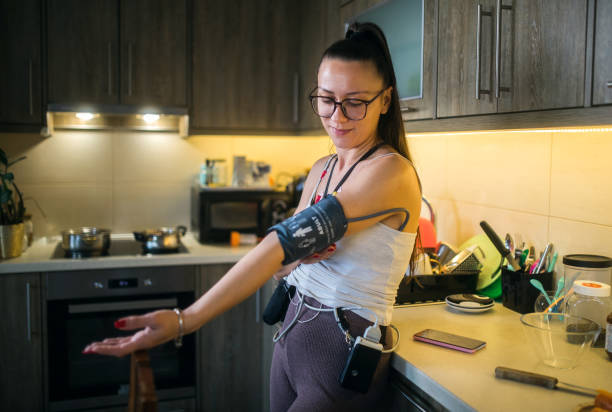
Several factors influence the accuracy.
There are a few elements that affect the accuracy of fitness trackers.
These include:
- Loose wrist placement
- Under sensor tattoos are dark.
- Dark tattoos under sensors.
- High-intensity arm movements
- The cold weather is slowing down circulation.
- The cold temps are slowing blood flow.
- Improper device calibration
- Walking or running gait/pattern
- Color and wrist circumference
- Outdated software
- When it comes to the tracker, wear it correctly and keep it up-to-date, and performance can be greatly enhanced.
Here are some tips for improving the accuracy of the results:
To maximize accuracy:
The tracker should go snugly over the wrist bone.
- Keep sensors clean.
- Keep device software up to date.
- Please provide correct height, weight, age and gender details.
- Use GPS when exercising outdoors.
- Exercise in workout mode.
- Regularly charge to keep the sensor in performance.
Common Limitations
Although fitness trackers can offer a good estimate, they have some drawbacks.
These are some of the common misconceptions to avoid:
- Don’t rely on calorie counts to be accurate.
- Sleep stages are estimations and not actual measurements.
- The heart rate reading may vary during high intensity exercise.
- Fitness trackers can’t diagnose medical issues.
- The daily trend is more important than the daily readings.
- It is better to monitor trends in overall health rather than single numbers.
Frequently Asked Questions
1) Do ‘fitness trackers’ give a true picture?
Yes. For the majority of modern fitness trackers, step count is pretty accurate, and heart rate is reasonably accurate at times of normal activity. Other functions, like calorie counting and sleep phases, should be taken more as a guideline.
2) Which of the following is the most accurate measurement?
Most people agree that step count is the most precise feature on fitness wearables.
3) Are fitness trackers medical devices?
No. The vast majority of consumer fitness trackers are wellness and fitness oriented, and should not be used as substitutes for professional medical devices or healthcare.
4) Can fitness trackers have a positive impact on health?
Studies have indicated that individuals who wear a fitness tracker on a regular basis are more active as they are encouraged to move, set goals, and stick to an exercise routine.
5) Should I wear my fitness tracker 24/7?
Users wear them during the day and night to track activity, exercise, and heart rate and sleep cycles. Use manufacturer’s suggestions for comfort and skin health.
Table 2: Popular Fitness Tracker Features
| Device Feature | Primary Benefit | Best User |
| Step Counter | Tracks daily movement | Everyone |
| Heart Rate Monitor | Monitors cardiovascular activity | People improving sleep |
| GPS Tracking | Measures distance and pace | Runners and cyclists |
Conclusion
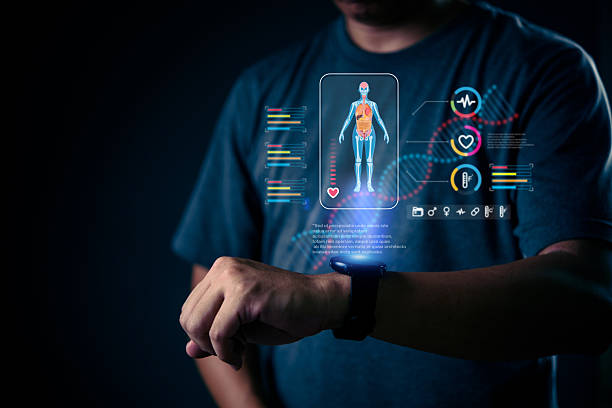
Fitness trackers can be useful in making a difference in health awareness and developing a better lifestyle. They have been scientifically proven to be very precise when it comes to step counting and a relatively good rate of accuracy for heart rate monitoring during normal activities. The level of accuracy for features like calorie estimation and sleep stages tracking, are less accurate but still offer useful information on a temporal basis.