





Introduction
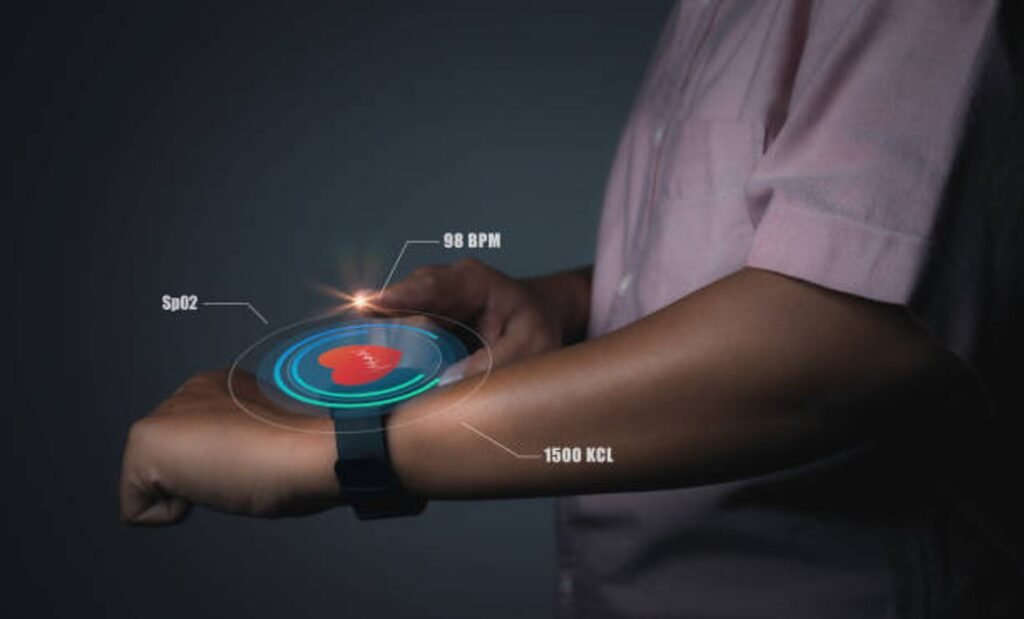
One of the largest innovations for healthcare and fitness is wearable technology. Today, wearable devices, including smartwatches, fitness bands, smart rings and more, are far more than just step counters. They track heart rate, sleep, activity, and even give real-time health data. In 2026, wearable tech further advances with cutting-edge sensors and AI, empowering individuals to manage their well-being more effectively. Wearable technology is playing a key role in tracking health and wellness habits because more people are becoming interested in prevention. They can be used to track health trends, establish fitness objectives, and share significant health details with medical service providers. This article discusses the future of health tracking with wearable tech and how it has become an integral part of modern health care.

What Is Wearable Health Technology?
“Wearable health technology” is defined as technologies that are worn on the body and gather health and fitness information. These devices measure different health parameters and report the results via an app on the mobile phone. Smartwatches, fitness trackers, smart rings and health-monitoring patches are popular wearable devices. They are constantly gathering data all day, and allow users to learn more about their body and habits.
Why Wearable Technology Is Becoming More Popular
With the rising demand for health conscious lifestyles, the use of wearable gadgets has become a common phenomenon. Individuals seek convenient means of keeping track of their health without having to go to a medical clinic on a regular basis. Wearable technology can provide constant monitoring, individualised recommendations, and real-time feedback to aid users in making healthier choices. Many of these wearable gadgets also connect with health apps and smartphones, allowing you a breeze of reviewing your progress every day and establishing long-term health goals.
Health Metrics Tracked by Wearable Devices
The wearable devices today are capable of tracking several pieces of health at once. The aggregated information enables users to gain insight into their daily routines and can guide them in optimizing their efficiency. This is a summary table of some of the most commonly used health metrics that can be measured by wearable devices.
Wearable health technology offers several benefits.
Fitness tracking is only a small part of the wearable device’s capabilities. They promote a healthier lifestyle by providing ongoing monitoring and personalized recommendations. These devices gather real-time information that enables users to identify patterns that can impact their well-being.
Key benefits include the following:
- Continuous health monitoring
- As early as possible, identifying health problems.
- Personalized fitness insights
- More motivation for healthy behaviors.Greater motivation with regard to healthful behaviors.
- Improvements in communication with health providers.Improved communication with health providers.
AI and Wearable Devices.
AI has made great strides to enhance wearable technology. The AI system processes health data gathered over the course of the day, offering custom recommendations that are tailored to an individual’s lifestyle and objectives. What modern devices can do is not just provide a display of numbers, but to suggest action like moving more, taking a different approach to sleep, to stress, or to drink more water. The smart insights provided by wearable technology make it more helpful in preventing health issues.
Wearable Technology for Fitness.
Wearable technology is used by fitness enthusiasts to track things such as workout intensity, heart rate, distance, pace, and recovery. Most fitness devices automatically identify various exercises and keep track of them more accurately and easily. Athletes can also receive detailed performance reports, which optimise training sessions, minimizing the risk of overtraining.
Use of wearable technology for sleep monitoring.
Quality sleep is an important aspect for overall health. Wearable devices track sleep time, sleep stages, and disturbances during sleep, offering comprehensive sleep reports. The lessons learned enable users to create better sleeping habits and discover the negative sleeping patterns.
The table shows the primary uses of the different wearable devices.
|
Health Metric |
Purpose |
Benefit |
|
Heart Rate |
Measures heart activity |
Detects unusual heart rate patterns |
|
Step Count |
Tracks daily movement |
Encourages an active lifestyle |
| Blood Oxygen Level | Measures oxygen saturation |
Supports respiratory health awareness |
The Challenges of Wearable Health Technology.
While there are many benefits to wearable technology, it also has its drawbacks. Accuracy of data can be variable due to the type of device and the way in which it is worn. Battery life, privacy, and the high price of the devices can also impact the user experience.
Wearable technology is becoming increasingly reliable and user-friendly as manufacturers work on further advancements in sensors, software and security.
The future of wearable Health tracking is what we need to see.
The future of wearable technology is bright, with devices getting smarter and more accurate. There are scientists working on developing wearables that can keep track of blood pressure, glucose, hydration and other health metrics without any invasive processes.
Future devices could also offer earlier indication of health problems, so that a healthcare provider and/or user can take action before conditions are serious.
Tips for Choosing the Right Wearable Device
- Select equipment to suit your fitness or health goals.
- Test batteries before buying them.
- Make sure it’s compatible with your cell phone.
- Consider health tracking options.
- Take comfort for daily wear into account.
- Scrutine privacy and data security features.
Frequently Asked Questions
1) So, what does “wearable health tech” mean?
EWT is defined as wearables that track health data like heart rate, sleep patterns, physical activity, and wellness.
2) Do wearable devices provide accurate data?
While most of today’s wearables can offer a good approximation of health metrics for day-to-day use, they should not be used as a substitute for medical devices.
3) Do wearables offer fitness benefits?
Yes. They enable users to keep track of their workouts, track progress, and remain motivated by setting personalized goals and receiving activity reminders.
4) Do wearable devices help older people?
Yes. Wearables can include heart rate tracking, fall detection, and emergency alerts to assist with healthy aging.
5) But can wearable tech become the future of health care?
Wearable technology is expected to be a significant force in the future of preventive health care, as it enables continuous monitoring and early detection of potential health issues.
Conclusion
The development of wearable technology is changing the way people track and manage their health. These devices offer various benefits, such as recording daily activity and sleep patterns and providing real-time health insights using artificial intelligence, making preventive healthcare more accessible than ever before. The wearable devices will be more intelligent, more accurate and more customised in the years ahead. From fitness enhancement to wellness tracking to health promotion, wearable tech is becoming a crucial component of a healthier lifestyle.




Comments are closed.