





Introduction
Stress becomes a problem when it occurs too often or is too strong, or when it can’t be controlled. It can impact physical and mental health. From work pressures to financial worries, family duties to a barrage of notifications from digital devices, today’s life can be extremely draining on the mind. It’s okay if there is some stress, but it can cause tiredness, lack of sleep, headache, poor focus, and even lead to long-term health issues. Hopefully, you don’t have to meditate for hours or go on a vacation to feel better.
A few simple, evidence-based methods can help to settle your mind and body in a matter of minutes. There are no solutions which will remove all the stress but these strategies do help to control how you react to that stress, regain focus and enhance your emotional strength. Here are seven stress reduction techniques that can help you quickly reduce stress, backed by research. These techniques can be easily integrated into your daily life and may aid in improving mental wellness and overall well-being.
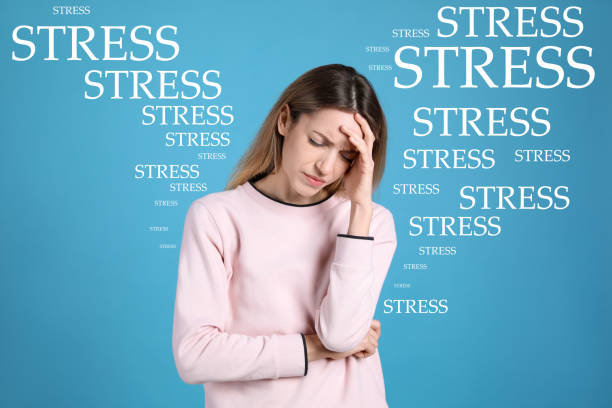
How stress negatively affects a person’s life
When the stress response kicks in, it’s a mechanism meant to keep you safe in stressful times. When stress becomes chronic, however, it can have a negative impact on various parts of the body.
Long-term stress may impact:
- Clear thinking and concentration
- Sleep quality
- Heart health
- Immune function
- Digestion
- Balance of mood and emotions.
- Energy levels
Learning healthy ways to respond to stress can improve your quality of life and help you feel more in control during difficult situations.
| Effect of Chronic Stress | How It Can Impact You |
| Poor Sleep | Daytime fatigue and reduced concentration |
| Muscle Tension | Neck, shoulder, and back discomfort |
| Mental Fatigue | Difficulty focusing and making decisions |
| Increased Anxiety | Feeling overwhelmed or restless |
| Weakened Immunity | Reduced ability to recover from illness |
Practice Deep Breathing
One of the quickest and most effective ways to relieve stress is to practice deep breathing. Slow, relaxed breathing communicates to your nervous system to relax, which helps to calm your heart rate and alleviate tension.
This is a very basic breathing technique:
- Slowly breathe in through your nose for 4 seconds.
- Take 4 seconds to hold your breath.
- Slowly breathe out for 6 seconds.
- Repeat for 3-5 minutes.
You can use deep breathing a few times throughout the day to keep calm during stressful times.

Go for a short walk
Exercise is a natural stress reliever. You can boost your mood, circulation and get a break from the day’s stress in 10 minutes or less. Fresh air and exposure to nature are other advantages of being outdoors, which can lower stress levels. Avoid using your phone, if you can; talk about what you see around you instead of what you’re doing at work or what you’re reading on social media.
Practice Mindfulness
Mindfulness is focusing on the here and now without evaluation or judgement of thoughts and feelings.
Some easy mindfulness techniques are:
- Focusing on your breathing
- Observing your surroundings
- Listening to relaxing music or sounds
- Guided meditation
- Body scan relaxation
Over time, mindfulness can help to clear up mental clutter and promote emotional balance, even with the help of just a few minutes a day..
Get in touch with someone you know and can trust
You can use a positive friend, family member or co-worker to discuss the emotions that you are experiencing and perhaps to provide a new perspective. Sometimes, it’s not necessary to seek advice; sometimes, just talking to someone who’s willing to listen can help make things seem more manageable. Excellent social ties also correlate with emotional health and resilience.
Reduce Screen Time
If you get lots of notifications, spend a lot of time scrolling through social media feeds, and become overwhelmed by information, it can raise your stress levels without you even knowing.
Try to take a break from screens periodically, which gives your brain a chance to rest and refocus.
Follow these easy tips:
- Shut off unimportant alerts.
- Don’t check e-mails late at night.
- Take phone free breaks throughout the day.
- Limit social media before bedtime.
- Increase time devoted to non-screen activities.
Microstressors are little details that can really impact your overall stress levels.

Make Healthy Lifestyle Habits a priority
Although a stress-relief technique that is quick and simple can help, long-term stress management relies on healthy daily habits. Achieving 7-9 hours of good quality sleep. A balanced diet is the best from which to choose for a healthy life. Stay hydrated and drink more water. Exercising regularly in the morning and evening. Reducing overindulgence of caffeine and alcohol. You should have some hobbies and relaxation. Having healthy habits means your body can better manage stress and will lead to an overall healthier body.
| Stress-Relief Technique | Benefit |
| Deep Breathing | Calms the nervous system |
| Walking | Improves mood and reduces tension |
| Mindfulness | Enhances focus and emotional balance |
| Relaxing Music | Promotes relaxation |
| Talking to Someone | Provides emotional support |
| Digital Breaks | Reduces mental overload |
| Healthy Lifestyle | Builds long-term resilience |

Other advice for coping with daily stress
In addition to the seven techniques listed above, the following habits may help you to keep stress levels low in the long run: Set goals that are achievable for the day. Divide tasks into smaller ones.
- Express thank you by writing positive moments.
- Know how to say No when you’re overwhelmed.
- Do as much outdoor activity as possible.
- Take time every week to do something you love.
However, you don’t have to get rid of all the stress, it’s about how you’re handling it.
Frequently Asked Questions
1) Which is best to eliminate stress?
One of the fastest ways to relax the mind and body during stressful times is through deep breathing, a short walk and mindfulness. Everyone may find a different technique works best for them, and it is helpful to find an approach that suits you.
2) Can exercise help relieve stress?
Yes. Regular exercise promotes the release of endorphins, better sleep and lowens physical tension, which can be helpful long term for managing stress.
3) Does stress always have a negative impact?
No. Stress is good for your short-term focus and motivation. Issues typically occur when stress becomes chronic, persistent or starts to affect your daily life and health.
4) When is professional help for stress indicated?
Seek advice from a professional health care or mental health provider if your stress is causing anxiety or depression that don’t go away after a few weeks, if it interferes with your work, relationships, sleep, or daily activities, or if it’s causing you persistent anxiety or depression.
Conclusion
There are some simple ways to shorten the time it takes to reduce stress. Practices such as deep breathing, walking, being mindful, listening to calming music, spending time with uplifting people, reducing the amount of screen time, and other healthy lifestyle habits can have a big impact on your daily mood. Stress is a normal part of life and your reaction to stress can be bolstered over time. It’s best to pick one or two techniques from this guide and make them a habit in your life




Comments are closed.