


Introduction
Smart meal planning for effective fat loss is one of the best ways to reach your health goal. Many people try quick diets. They skip meals. And cut all carbs. They feel weak and tired. Then they quit. This is not the right way. Fat loss needs a clear plan. It needs balance. It needs time. When you plan your meals in a smart way, you control your food.
You control your calories. You control your habits. This leads to steady fat loss. This guide will help you learn how to plan meals in a simple way. The steps are easy. The words are clear. You can follow them without stress.
Why Does Meal Planning Help in Fat Loss?
Meal planning gives you control. When you do not plan, you eat what is easy. Most easy foods are high in fat and sugar. They add more calories. When you plan your meals, you know what you will eat. You shop with a list and cook at home and avoid junk food. This lowers extra calorie intake.
Meal planning also saves time and money. You waste less food and feel less stress. You stay focused on your fat loss goal. Consistency is the key to fat loss. Planning helps you stay consistent.
- You decide what to eat. You avoid random food choices. This reduces extra calories.
- Planned meals stop fast food habits. You eat clean and healthy food.
- You shop with a list. You cook at home. You waste less food and cash.
- You do not worry about what to eat. Clear plans make life simple.
- Fat loss needs routine. Meal planning helps you stay on track every day.
Understand Your Calorie Needs
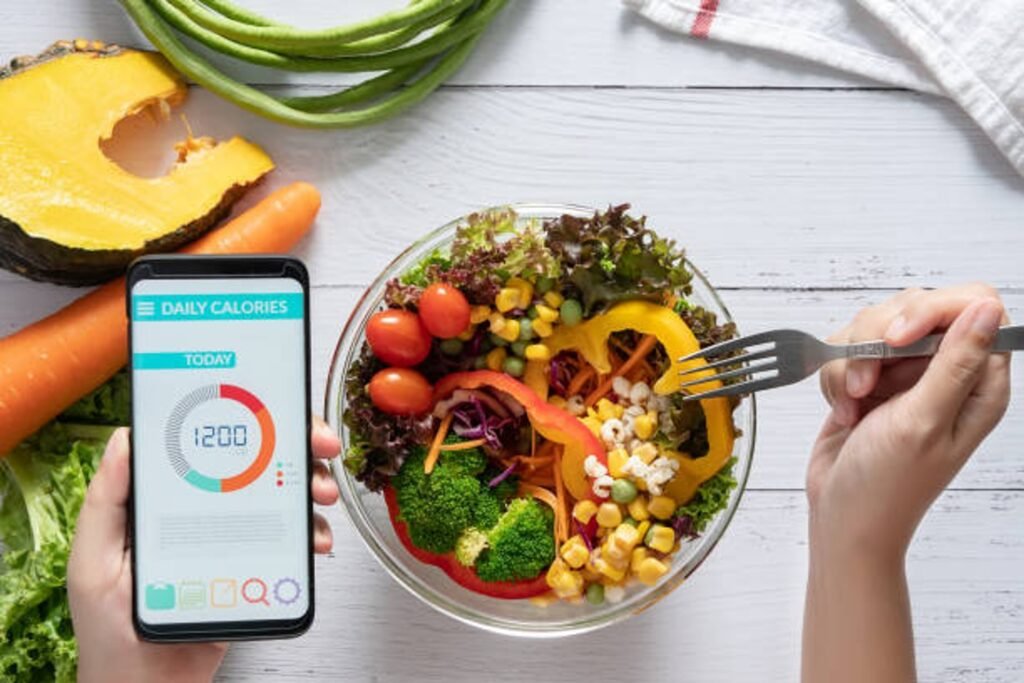
Fat loss happens when you burn more calories than you eat. This is called a calorie deficit. But you should not eat too little. Very low calories slow your body. First learn your daily calorie needs. Your age, weight, height, and activity level matter. If you move more you burn more calories. If you sit all day, you burn less.
Reduce calories in a safe way. A small deficit works best. Slow fat loss is healthy fat loss. It also helps you keep the weight off. Never starve your body. Feed it smartly.
Focus on Whole Foods
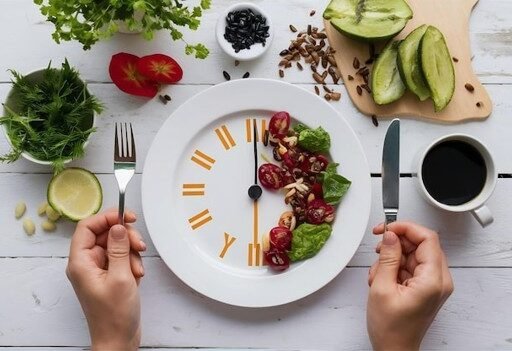
Whole foods help in smart meal planning for effective fat loss. These foods are close to their natural state. They are rich in fiber and nutrients. Eat lean protein like eggs, chicken, fish, and beans. Protein keeps you full for a long time. It also helps keep muscle during fat loss. Add fruits and vegetables to every meal.
They are low in calories. They are high in fiber. Fiber helps control hunger. Choose whole grains instead of white bread or white rice. Whole grains give steady energy. They stop sudden hunger. Avoid processed food. These foods are high in sugar and bad fats. They slow fat loss.
Plan Your Meals for the Week
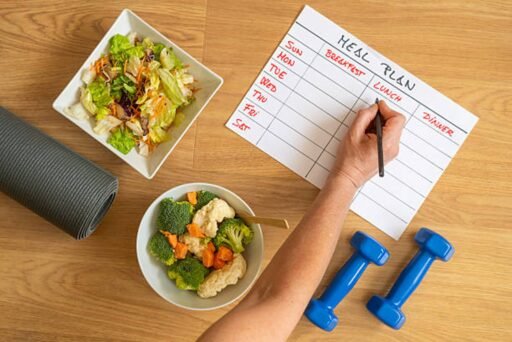
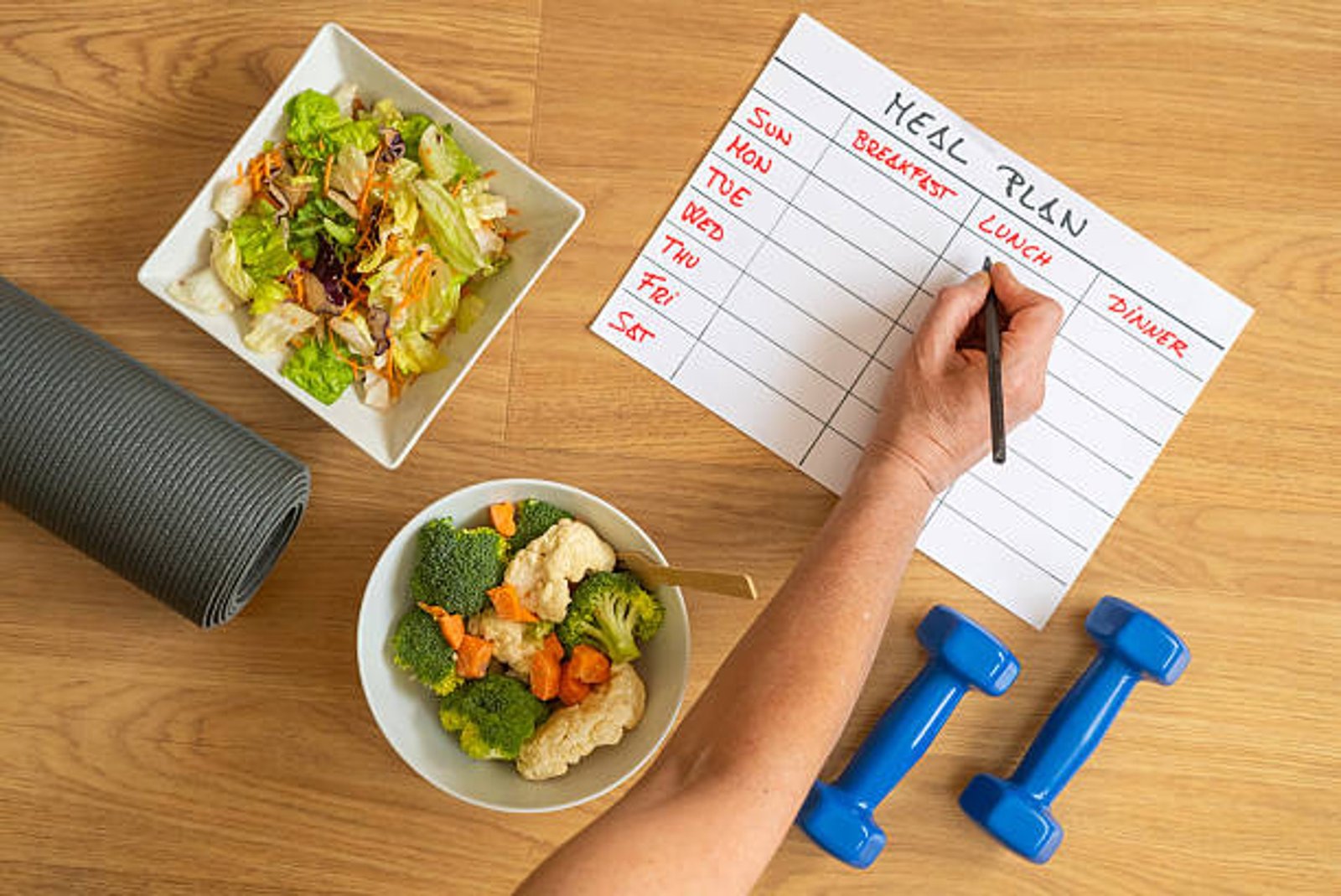
Weekly planning is very helpful. Choose one day to plan and shop. Write your meals for seven days. Include breakfast, lunch, dinner, and snacks. Keep meals simple. You do not need fancy dishes. Grilled chicken with salad is enough. Oats with fruit is a good breakfast.
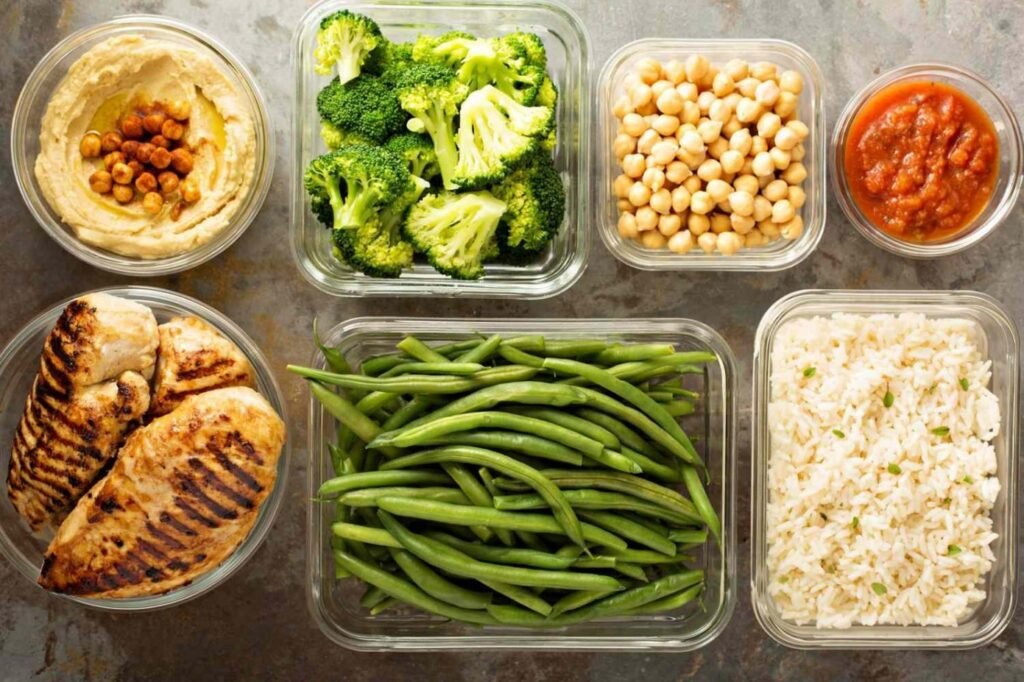
Cook in bulk. Prepare rice, chicken or vegetables in advance. Store them in boxes. This saves time during busy days. When food is ready, you are less likely to order fast food. Planning reduces bad choices.
Balance Protein, Carbs and Fats
A smart meal plan has balance. Do not cut carbs fully. Do not fear healthy fats. Your body needs all three macronutrients. Protein helps repair muscles. Carbs give energy. Fats support hormones and brain health.
Use simple plate rule. Half plate vegetables. Quarter plate protein. Quarter plate whole carbs. Add small amount of healthy fat like olive oil or nuts. Balanced meals keep you full. They stop cravings. They support steady fat loss.
Control Portion Sizes
Even healthy food can slow fat loss if you eat too much. Portion control is important. Use smaller plates. Eat slowly. Listen to your hunger signals. Stop when you feel satisfied, not stuffed.
Avoid eating from large bags or boxes. Serve food in a plate. This helps you see how much you eat. Drinking water before meals can also reduce overeating. Small habits make big results over time.
Smart Snacking for Fat Loss
Snacks are not bad. Wrong snacks are bad. Choose high-protein and high-fiber snacks. Good options are boiled eggs, yogurt, nuts or fruit. These keep you full and stop sugar cravings.
- Keeps You Full Longer: High-protein and fiber snacks keep you full for more time.
- Reduces Sugar Cravings: Healthy snacks control blood sugar levels.
- Prevents Overeating: Planned snacks stop extreme hunger.
- Supports Energy Levels: Smart snacks give steady energy.
- Controls Daily Calories: Healthy snacks have fewer empty calories.
Avoid chips, candy, and sugary drinks. They add empty calories. They do not satisfy hunger. Plan snacks in your weekly meal plan. Do not snack without thinking. Smart snacks support smart meal planning for effective fat loss.
Stay Hydrated Every Day
Water plays a big role in fat loss. Sometimes you feel hungry but you are thirsty. Drink water throughout the day. Start your morning with a glass of water. Carry a bottle with you.
Avoid sugary drinks. They add many calories. Choose water or green tea. Good hydration improves digestion. It supports metabolism. It helps your body burn fat better.
Track Your Progress
Tracking helps you stay motivated. You can track weight once a week. Do not check daily. Weight changes every day. Also track how clothes fit. Take progress photos. Notice energy levels.
If fat loss stops adjust your meal plan slowly. Reduce small number of calories or increase daily steps. Stay patient. Fat loss is not instant. Smart meal planning for effective fat loss works when you stay consistent.

Build Long-Term Habits
Do not think of meal planning as a short-term diet. Think of it as lifestyle change. Create habits you can follow for years. Eat balanced meals. Plan weekly. Stay active.
Allow small treats sometimes. Total restriction leads to binge eating. Balance is better. Healthy habits bring lasting fat loss. Quick diets bring quick regain. Choose smart path.
FAQs
- How many meals should I eat daily for fat loss?
You can eat three main meals and one or two snacks. Focus on total calories and balance. - Can I lose fat without exercise?
>>Yes but exercise speeds up results. It also improves health and muscle tone. - Should I avoid carbs for fat loss?
No. Choose whole carbs. Control portions. Balance is important. - How fast can I lose fat safely?
Slow fat loss is safe. Aim for small weekly change. Fast loss is often not healthy. - Is meal planning hard for beginners?
No. Start simple. Plan basic meals. Practice weekly. It becomes easy with time.
Final Thoughts
Smart meal planning for effective fat loss is simple when you follow clear steps. Plan weekly. Choose whole foods. Balance nutrients. Control portions. Stay hydrated.
Do not rush the process. Focus on steady progress. Stay consistent. Build habits that last.
Fat loss is not about starving. It is about smart choices. When you plan your meals wisely, you give your body the support it needs. Over time you will see results and feel proud of your journey.