


Introduction
Healthcare is changing as technology becomes smaller and smarter. One of the most interesting developments is the rise of implantable health chips. These tiny electronic devices are designed to work inside the human body and may help collect health data in real time. Unlike many wearable devices that sit on the skin or need to be removed for charging or cleaning, implantable technology can offer a more direct way to monitor certain body signals.
Modern medical technology already uses implantable devices for important clinical purposes. Researchers are now working on smaller sensors that can monitor biological signals and communicate data without traditional wires or large batteries. Recent research has highlighted wireless and battery-free implantable sensors as an important area of development for future healthcare.
The idea is not simply to place a computer chip inside the body. The real goal is to create safe medical devices that can collect useful information and support better decisions. This could make digital health technology more personal and more connected.
What Are Implantable Health Chips?
Implantable health chips are small electronic devices that are placed inside the body for a specific medical or health-related purpose. Depending on the design, they may contain sensors, wireless communication systems, or other electronic components. A health chip can be designed to collect information about certain biological conditions.
For example, future implantable sensors may help monitor temperature, pressure, glucose, or other body signals. Research into implantable sensors has already shown the potential of these devices for real-time monitoring and treatment support. The technology can work in different ways. Some devices may use external readers to collect information.
How Do Implantable Health Chips Work?
The basic process is easier to understand when divided into three parts. First the implanted device collects a signal. Second, the electronic system processes or stores the information. Third the information can be transferred to an external reader or connected healthcare system. Some systems can use wireless signals for communication.
How Do Implantable Health Chips Work?
- Collect Health Data: Sensors detect specific signals from inside the body.
- Process Information: The chip processes the collected data for useful health insights.
- Store Data: Some chips can store health information for later review.
- Send Data Wirelessly: The chip can transfer data to an external reader or health system.
- Use Wireless Power: Some passive chips can work without a battery by receiving energy from a nearby reader.
Passive RFID technology, for example, does not need its own battery because the reader can provide the energy needed for communication. More advanced implantable sensors may use different methods of power and communication.
Medical Uses of Implantable Health Chips
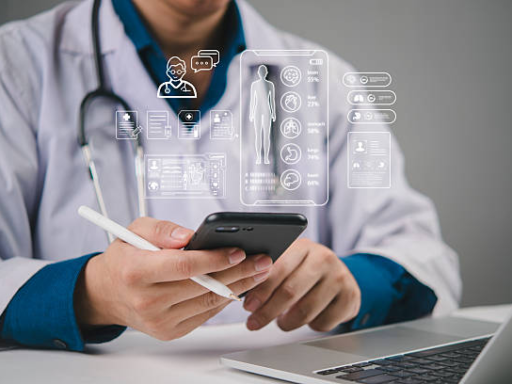
One major benefit of implantable medical devices is their potential for continuous health monitoring. A patient does not always need to visit a clinic to provide a single measurement. A suitable implant may collect information over a longer period. This could be valuable for people who need close monitoring of chronic conditions. Doctors may receive a clearer picture of changes over time instead of relying only on occasional tests.
Implantable sensors may also support personalized medicine. Health data can help medical professionals understand how an individual patient is responding to treatment. In some future systems the collected information could support automated or semi-automated treatment decisions.
Benefits of Implantable Health Chips
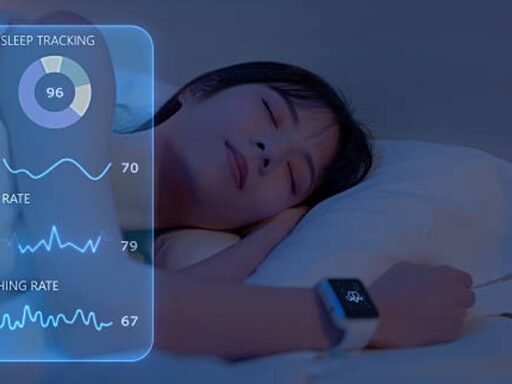
The biggest advantage of health monitoring technology is the possibility of continuous and personalized information. A wearable device may be removed during sleep exercise or daily activities. An implant can potentially remain in place and provide information for a longer period. This could make monitoring more consistent.
Another benefit is the possibility of smaller medical devices. Advances in microelectronics and materials science are helping researchers create devices with smaller components and lower power needs. Wireless implantable systems may also reduce the need for wires and large external equipment.
Risks and Safety Concerns
The potential benefits of implantable health chips must be balanced against their risks. The first concern is physical safety. Putting an electronic device inside the body can create challenges such as infection, tissue reaction, device failure, or the need for removal. Long-term implants must also work reliably in a complex biological environment.
Another concern is data accuracy. A medical decision can depend on sensor information. If a device provides incorrect data, it could lead to a wrong decision. Recent problems with some health sensors have shown why accuracy and device safety are essential in digital health technology.
Privacy and Regulation
Health data is among the most sensitive types of personal information. Implantable health chips could potentially collect information that reveals important details about a person’s body and medical condition. Patients should understand what information a device collects and who can access it. They should also know how long the information is stored and how it is shared.
Regulation will play an important role in this area. Medical devices must meet safety and effectiveness requirements before they can be widely used for approved medical purposes. The FDA maintains a list of authorized sensors based on digital health devices and explains that such products are evaluated according to applicable premarket requirements.
The Future of Implantable Health Chips
The future of implantable health chips will likely depend on miniaturization, wireless communication, better sensors, and improved power systems. Battery-free implants are especially interesting because batteries can create limits for size and lifespan. Researchers are investigating wireless systems that can operate without conventional onboard batteries.
- Future chips will become smaller and more comfortable.
- Chips may send health data wirelessly to medical systems.
- Advanced sensors can provide more accurate health data.
- New designs may work without traditional batteries.
- AI can analyze health data and detect changes quickly.
Artificial intelligence may also become part of future implantable healthcare systems. AI could help analyze large amounts of health data and identify patterns that may be difficult for humans to notice quickly.
What Patients Should Consider
Patients should not choose an implantable health chip based only on marketing claims. Any medical implant should be discussed with a qualified healthcare professional. People should ask why the device is needed, what it measures, how accurate it is, and what risks are involved.
They should also ask how the device is powered, how long it is expected to last, and what happens if it stops working. Data privacy should also be part of the discussion. Patients need to understand where their health information goes and who can access it.
FAQs
Q1. What are implantable health chips?
Implantable health chips are small electronic devices placed inside the body to collect health data and support medical monitoring.
Q2. How do implantable health chips work?
They use sensors to collect biological information and may transfer data to external devices through wireless communication.
Q3. What are the benefits of implantable health chips?
They can support continuous health monitoring and may help doctors understand changes in a patient’s condition over time.
Q4. Are implantable health chips safe?
Safety depends on the specific device and its medical approval. Potential risks include infection, device failure, and tissue reactions.
Q5. Will AI be used with implantable health chips?
Yes. Future systems may use AI to analyze health data and help identify important changes that need medical attention.
Buy Essential Oil. Click Here
Final Thoughts
Implantable health chips represent an important direction in digital healthcare. These devices could make continuous health monitoring more personal and more connected. Advances in wireless communication sensor technology and low-power electronics are creating new opportunities for medical implants.
At the same time the technology must develop carefully. Safety, accuracy, privacy, cybersecurity, and regulation are just as important as innovation. A successful implantable device must work reliably inside the human body while protecting the person who uses it.
The future of digital healthcare will not be defined by technology alone. It will depend on how well technology serves patients and healthcare professionals. If researchers and regulators can solve the major technical and ethical challenges, implantable health chips could become a valuable part of personalized healthcare.