


Introduction
Good nutrition plays an important role in a child’s growth, learning, and daily energy. The brain develops quickly during childhood, so children need a balanced diet that provides enough protein, healthy fats, vitamins, minerals, and other key nutrients. A healthy diet can support brain development while also helping children grow strong and stay active. The CDC notes that healthy eating supports brain development, healthy growth, and immunity in children.
Parents often search for the best brain foods for kids because they want simple ways to support memory, focus, and learning. There is no single food that can make a child smarter. Instead, the best approach is to offer a wide range of nutrient-rich foods as part of regular meals and snacks.
This guide covers some of the best brain-boosting foods for children and explains how parents can include them in simple everyday meals.
Why Nutrition Matters for a Child’s Brain
Children need good nutrition for both physical and mental development. Their brains continue to develop throughout childhood and need a steady supply of nutrients. Poor eating habits can make it harder for children to meet their nutrient needs, while a balanced eating pattern gives the body the fuel it needs for growth and learning.
Why Nutrition Matters for a Child’s Brain
- Supports Brain Growth: Provides key nutrients needed for healthy brain development.
- Improves Focus: Healthy meals can support better focus during school and learning.
- Boosts Energy: Nutritious foods provide steady energy for study and play.
- Supports Memory: A balanced diet provides nutrients that help normal brain function.
- Promotes Healthy Growth: Good nutrition supports both physical growth and mental development.
Fatty Fish for Omega-3 Fats
Fatty fish is one of the most useful foods to include in a child’s diet. Fish can provide protein along with omega-3 fatty acids such as DHA and EPA. The FDA notes that nutrients found in fish, including omega-3 fats, iron, iodine, and choline, are important during early brain development. Good choices can include salmon, sardines, trout, and other fish that are lower in mercury.
Parents should choose fish that is suitable for children and follow current fish safety guidance. Fish can be served in simple ways. Try baked salmon with rice or add cooked fish to a sandwich. Children who do not like the taste of fish may accept small portions when served with foods they already enjoy.
Read How to Build a Healthy Lifestyle Routine That Lasts
Eggs for Choline and Protein
Eggs are an easy and affordable source of several important nutrients. They provide protein and contain choline, which is involved in normal brain and nervous system function. Eggs can also be useful for breakfast because they are filling and easy to prepare. Parents can serve boiled eggs with whole-grain toast or make a simple vegetable omelet.
For families looking for healthy breakfast ideas for kids, eggs can be a practical choice. The goal is not to rely on eggs alone but to combine them with fruits, vegetables, whole grains, and other nutrient-rich foods.
Berries for a Healthy Snack
Berries such as strawberries, blueberries, and blackberries provide vitamins, fiber, and other plant compounds. They can make a colorful and naturally sweet snack for children. Fresh berries can be added to plain yogurt, oatmeal, or whole-grain cereal. Frozen berries can also work well when fresh fruit is not available.
Fruit is an important part of a balanced diet for children. The CDC recommends offering children a variety of fruits and vegetables because they support healthy growth and brain development.
Leafy Green Vegetables
Spinach, kale, broccoli, and other green vegetables provide a range of vitamins, minerals, and fiber. They can be part of a healthy eating pattern that supports overall child development. Some children may refuse vegetables at first. This is common. Parents can keep offering them without turning meals into a battle.
Children may need repeated exposure before they become comfortable with a new food. Try adding chopped spinach to eggs or mixing broccoli into pasta. Another simple option is to serve vegetables with a dip that the child already likes.
Nuts and Seeds
Nuts and seeds provide healthy fats, protein, fiber, and several vitamins and minerals. Options include walnuts, almonds, chia seeds, pumpkin seeds, and sunflower seeds. Walnuts are often discussed when people search for brain foods for children because they contain healthy unsaturated fats. However, no single nut should be treated as magic brain food.
For younger children, nuts should be prepared in a safe form because whole nuts can present a choking risk. Parents should also consider known food allergies and follow medical advice when needed.
Whole Grains for Steady Energy
Whole grains such as oats, brown rice, whole-grain bread, and whole-grain pasta provide carbohydrates along with fiber and other nutrients. The brain uses glucose as an important source of energy. A balanced meal that contains whole grains can help provide energy while also supplying other nutrients.
Oatmeal with berries and yogurt can make a simple breakfast. A whole-grain sandwich with eggs, chicken, or beans can work well for lunch.
Beans and Lentils
Beans, lentils, and other legumes are valuable healthy foods for growing children. They provide protein, fiber, iron, and other nutrients. They are also flexible foods that can be used in many family meals. Parents can add lentils to soup or serve beans with rice. Hummus made from chickpeas can be paired with vegetables or whole-grain bread.
Iron is especially important because it plays a role in many body functions. Parents should speak with a healthcare professional if they are concerned that a child may not be getting enough iron.
Yogurt and Other Dairy Foods
Yogurt, milk, and cheese can provide protein, calcium, and other nutrients. These foods can fit into a balanced diet for children when chosen in forms that suit the child’s age and dietary needs. Plain yogurt topped with fruit can be a simple snack.
Milk can be served with breakfast, and cheese can be added to a whole-grain sandwich. Parents should pay attention to added sugar in flavored products. A plain option with fresh fruit can be a simple way to keep the meal nutritious.
Avocado for Healthy Fats
Avocado contains unsaturated fats along with fiber and other nutrients. It has a soft texture that makes it easy to add to many children’s meals. Try mashed avocado on whole-grain toast or add it to a sandwich. It can also be served with eggs or mixed into a simple dip.
Healthy fats are an important part of a balanced diet. The American Heart Association recommends nutrient-dense foods and encourages healthy sources of unsaturated fats such as fish, nuts and vegetable oils.
Colorful Fruits and Vegetables
A child’s diet should not focus only on foods marketed as brain-boosting foods. Variety matters more. Different fruits and vegetables provide different nutrients. Apples, oranges, bananas, carrots, tomatoes, peppers, peas, and sweet potatoes can all add variety to a child’s meals.
- Add colorful fruits like apples and oranges.
- Serve green vegetables such as peas and spinach.
- Include carrots and sweet potatoes for variety.
- Offer different fruits and vegetables each day.
- Use colorful foods to make meals more appealing.
A simple rule is to add different colors to the plate during the week. This can make meals more interesting while helping children receive a broader range of nutrients.
Foods to Limit
Healthy eating is not about banning every treat. Children can enjoy occasional foods that are higher in added sugar, salt or saturated fat. However, these foods should not replace nutrient-rich meals. Sugary drinks, sweets, heavily processed snacks and frequent fast-food meals may provide fewer nutrients than healthier choices.
Current healthy eating guidance encourages limiting added sugar, saturated fat, and excess sodium. Parents can make healthier choices easier by keeping fruit, yogurt, whole-grain foods, and simple homemade snacks available at home.
FAQs
Q1. What are the best brain-boosting foods for children?
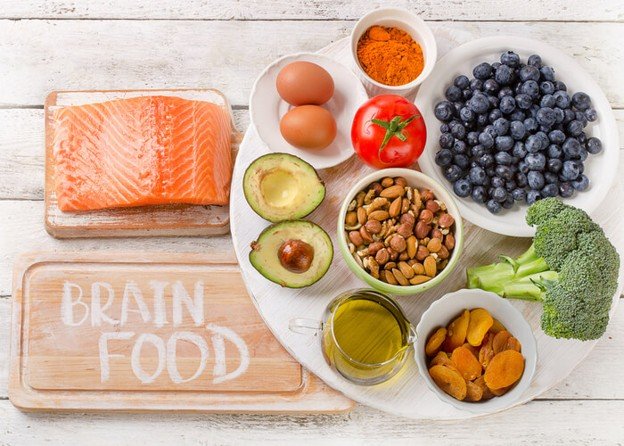
Fatty fish, eggs, berries, leafy greens, whole grains, beans, nuts, seeds, yogurt, and other nutrient-rich foods can support healthy growth and brain development.
Q2. What foods help children focus and learn?
A balanced diet that includes eggs, whole grains, fruit, vegetables, yogurt, fish, and healthy fats can help children meet their nutritional needs for healthy development.
Q3. Are eggs good for children’s brain development?
Yes. Eggs provide protein and choline along with other nutrients. Choline plays an important role in normal brain and nervous system function.
Q4. What is the best breakfast for children’s brain health?
A balanced breakfast can include eggs with whole-grain toast and fruit or oatmeal with yogurt and berries. The goal is to combine several nutrient-rich food groups.
Q5. Can food make children smarter?
No single food can make a child smarter. A healthy diet can support normal brain development and overall health, but learning also depends on sleep, physical activity, education, and other factors.
Buy the Hamilton Beach Breakfast Sandwich Maker with Egg Cooker Ring
Final Thoughts
The best brain-boosting foods for children are not one special food or expensive supplement. A balanced diet that includes fish, eggs, fruits, vegetables, whole grains, beans, nuts, seeds, dairy foods, and other nutrient-rich choices can provide many of the nutrients children need for healthy growth and brain development.
Parents should also remember that food works together with sleep, physical activity, play, emotional support, and good learning habits. Healthy nutrition is one part of a larger approach to child development.
Instead of forcing children to eat one specific food, parents can offer variety and create positive meal routines. Small healthy choices repeated each day can become habits that support children as they grow.