




Introduction
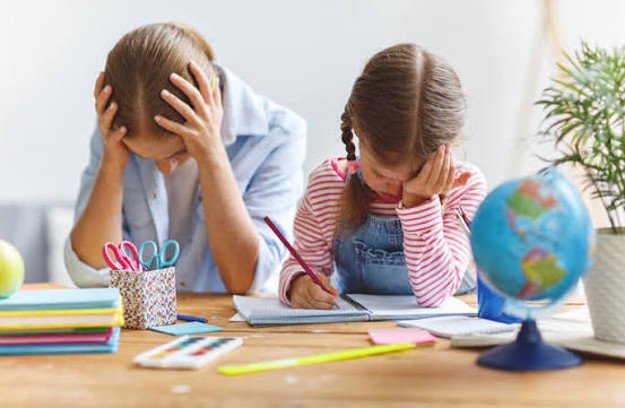
School can be an exciting place for children. It helps them learn new skills, make friends, and build confidence. However, school can also create stress. Tests, homework, grades, friendship problems, bullying, and busy schedules can make children feel worried or tired. Some children may talk about their stress while others may show it through changes in mood or behavior.
Parents and teachers play an important role in helping children manage these feelings. Learning how to reduce stress in school children does not mean removing every challenge from their lives. Some pressure can help children learn and grow. The goal is to give them healthy ways to deal with pressure before it becomes too much.
The American Academy of Pediatrics notes that children can benefit from supportive relationships, healthy routines, sleep, physical activity and coping skills when dealing with stress.
What Causes Stress in School Children?
Children can feel stressed for many reasons. Academic pressure is one common cause. A child may worry about getting good grades or finishing homework on time. Tests and school projects can also create fear of failure. Social problems are another major source of stress. Children may worry about making friends or fitting in with classmates.
Bullying can make school feel unsafe and may lead to fear or anxiety. Changes at home can also affect a child’s mood. Moving to a new home, family conflict, or other major changes may make children feel uncertain. Even small daily problems can feel serious to a young child because children are still learning how to manage strong emotions.
Learn the Signs of Stress in Children
The first step in reducing school stress is knowing what to look for. Children do not always have the words to explain how they feel. A stressed child may become more irritable than usual. They may cry often or lose interest in activities they normally enjoy. Some children may have trouble sleeping or complain about headaches and stomach pain.
- Mood changes or frequent irritability
- Trouble sleeping or feeling tired
- Headaches or stomach pain
- Poor focus or lower school performance
- Avoiding school or social activities
Other signs can include poor concentration, changes in appetite, tiredness, and a sudden drop in school performance. Some children may refuse to attend school because they feel worried about something there.
Buy a kids’ fuel bag: click here
Create a Simple Daily Routine
A routine can make children feel safe and prepared. When children know what will happen next, they may feel less worried about daily tasks. Create a simple schedule for waking up, eating breakfast, going to school, doing homework, playing, and sleeping. The routine does not need to be strict.
It should give the child enough structure while leaving time for rest and fun. Parents can prepare school bags and clothes the night before. This can reduce morning pressure and prevent rushed decisions.
Give Children Enough Sleep
Sleep is one of the most important parts of stress management for children. A tired child may have more difficulty focusing and controlling emotions. School-aged children generally need about 9 to 12 hours of sleep each night while teenagers need about 8 to 10 hours. Parents can support healthy sleep by keeping bedtime and wake-up times fairly consistent.
A quiet bedtime routine can include reading, talking, or another relaxing activity. It is also helpful to create clear limits around screens before bedtime. Phones, tablets, and games can keep children engaged when their bodies need to slow down.
Encourage Daily Physical Activity
Physical activity is a simple way to help children manage stress. It does not have to mean organized sports. Walking, cycling, dancing, playing outside, or running around with friends can all provide movement. Exercise can help reduce tension and support mood. It can also improve sleep and help children feel more confident.
Parents should focus on fun instead of performance. A child does not need to win a game or become an athlete. The main goal is to move the body and enjoy the activity.
Talk and Listen Without Judgment
One of the best ways to reduce stress in school children is to create a safe space for conversation. Instead of asking only, “Did you finish your homework?” try asking, “How was your day?” or “Was anything difficult today?”
When a child shares a problem, avoid immediately giving advice. Listen first. A child may need to feel understood before they are ready to discuss solutions. Parents should also avoid comparing one child with another. Statements such as “Your brother gets better grades” can increase pressure rather than solve the problem.
Teach Simple Coping Skills
Children can learn simple techniques to calm themselves when they feel overwhelmed. Deep breathing is one useful option. Ask the child to breathe in slowly and then breathe out slowly. Other activities can include drawing, coloring, listening to music, reading, or taking a short walk. Some children may enjoy mindfulness exercises or quiet time.
It is best to teach these skills when the child is calm. Then they can use them when stress appears. Parents can also teach positive self-talk. Instead of saying “I can’t do this,” a child can learn to say, “I can try one step at a time.”
Reduce Too Much Academic Pressure
Academic success matters, but constant pressure can make learning harder. Children need to understand that making mistakes is part of learning. Parents can help by setting realistic goals. Instead of demanding perfect grades, focus on effort, progress, and good study habits.
Break large homework tasks into smaller parts. A child who has a large project may feel overwhelmed when looking at the entire task. Completing one small part at a time can make the work feel easier.
Work With Teachers and the School
Sometimes reducing school stress requires support beyond the home. Parents should communicate with teachers when a child is struggling. A teacher may notice problems that parents do not see at home. They may also know whether the child is facing academic difficulties, friendship problems or other challenges.
Why Working With Teachers Matters
- Early Support: Teachers can spot problems early.
- Better Communication: Parents and teachers can share useful updates.
- Academic Help: Teachers can support children with schoolwork.
- Bullying Support: Schools can take action against bullying.
- Safe Environment: Teamwork helps children feel supported at school.
Support Healthy Food and Breaks
Food can also play a role in a child’s daily energy and mood. A healthy breakfast can help children start the school day with enough energy. Meals and snacks can include fruits, vegetables, whole grains, and protein foods. Children should also have regular breaks from demanding tasks. A short break between homework sessions can help them reset.
Parents should avoid turning every part of the day into a lesson or task. Children need time to relax without being judged on productivity. Healthy meals, sleep, physical activity, and family routines work together to support children’s well-being.
FAQs
1) What are the common causes of stress in school children?
Common causes include academic pressure, homework, tests, bullying, friendship problems, busy schedules, family changes, and fear of failure.
2) How can parents reduce stress in school children?
Parents can help by creating a calm routine, encouraging enough sleep, providing healthy meals, allowing time for play, listening without judgment, and teaching simple coping skills.
3) What are the signs of stress in a child?
Common signs include irritability, sadness, poor concentration, sleep problems, tiredness, changes in appetite, headaches, stomachaches, and changes in school performance.
4) Does exercise help reduce stress in children?
Yes. Regular physical activity can support mood, improve sleep, reduce tension, and help children manage daily stress.
5) When should parents seek professional help for child stress?
Parents should consider professional help when stress continues for a long time or begins to affect a child’s sleep, eating, school attendance, relationships, behavior, or daily activities.
Buy a notebook; click here
Final Thoughts
Learning how to reduce stress in school children starts with small and consistent actions. Children need supportive adults who listen to them and take their worries seriously.
A routine, enough sleep, healthy food, daily movement, and time for play can create a stronger base for emotional health. Parents can also teach simple coping skills and work with teachers when school problems become difficult.
Most importantly, children need to know that they do not have to be perfect. Mistakes are part of learning. Challenges are part of growing. With patience, support, and the right tools, children can learn to handle school pressure in healthier ways and develop confidence that can help them well beyond the classroom.