





Introduction
Like physical health, mental health is equally important and is often neglected in the hustle and bustle of our day-to-day lives. Work, family life and social media routines, along with constant digital distractions, can cause stress, anxiety, mental fatigue or emotional exhaustion without people realizing it can impact their well being. The great news is that there are no radical changes to your lifestyle you need to make in order to improve your mental well-being. Many small daily routines can make a big difference in the way you feel, think and react to your life’s circumstances.
Over time, healthy habits will help to regulate your emotions, lower levels of stress, sharpen your focus, and increase your resilience. There are no single habits that cure mental health problems, but practicing positive habits can contribute to emotional well being and lead to a healthier and a more balanced life. Taking time to do some self-care, even a couple minutes a day, can make a big difference. In this guide, we will discuss 10 mental health habits that you can do on a daily basis without drugs and pills. These practical tips can be implemented easily and are appropriate for newbies who want to make a positive difference in their life.
Why Do Habits Matter for Health?
You don’t do things occasionally; you do things consistently, and that affects your mental well being. Little things do make a big difference over time when it comes to your mood, energy and stress management. Positive habits also help build your body’s natural ability to deal with emotional issues.
People who enjoy healthy habits enjoy the following benefits:
- Lower stress levels
- Better emotional balance
- Improved concentration
- Increased self-confidence
- An extra energy boost during the day
- Better sleep quality
A greater ability to withstand stress in challenging times.
It’s difficult to develop healthy habits, but doing so consistently can help long-term mental well-being.
Begin your day with gratitude
Amongst the most straightforward methods to take care of mental health naturally is by practising gratitude. Just a few minutes in the morning to acknowledge the positive things in your life will bring your focus back to the positive and away from the stress.
Studies indicate that cultivating an attitude of gratitude can help enhance happiness, reduce stress, and foster emotional health in the long run.
Some simple ideas for gratitude are:
- Writing 3 things you are grateful for.
- Celebrating a supportive friend/family member.
- Looking back on a good thing that happened.
- Appreciating minor personal successes.
It’s an easy habit to get in the habit of doing, and can really help add an optimistic tone to the day.

Make physical activity a habit
There are benefits to physical activity for both the body and the mind. When exercising, endorphins are released, which are chemicals sometimes referred to as “feel-good” chemicals, and this can help to improve mood and decrease stress. These benefits can be felt without having to do a hard workout. Any degree of movement has a positive effect on mental health.
Consider doing activities like:
- Walking outdoors
- Cycling
- Stretching
- Yoga
- Dancing
- Home workouts
Try to get 20-30 minutes of activity, as much as possible on most days of the week. The consistency is more important than the intensity, particularly if you’re looking to create a sustainable routine.

Prioritize Quality Sleep
Sleep and mental health go hand-in-hand. Poor sleep may lead to impaired emotional regulation, attention and/or functioning on the day-to-day level. Similarly, stress can also affect sleep and make it hard to get a good night’s rest, which can be a vicious cycle to break.
Small changes to sleep patterns can have a significant impact on your emotional state, your memory and your mood.
Some healthy sleep habits include:
- Getting to bed at the same bedtime every night.
- Limiting screen time before bed.
- Maintaining a cool, quiet and comfortable bedroom.
- Steering clear of too much caffeine late in the day.
Most adults need seven to nine hours of good sleep per night, but it may be less or more depending on the individual.
| Stress Management Technique | Potential Benefit |
| Deep Breathing | Promotes relaxation |
| Meditation | Improves focus and emotional balance |
| Journaling | Helps organize thoughts and emotions |
| Physical Activity | Releases tension and improves mood |
| Time in Nature | Supports relaxation and reduces stress |
Engage in some Mindfulness for a few minutes
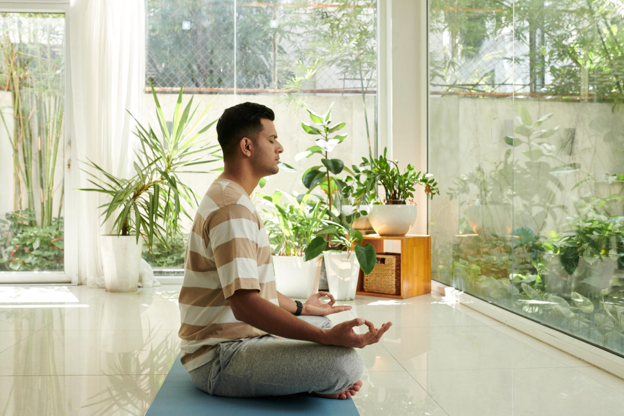
Mindfulness is basically a way of focusing on the here and now, without judgment. It helps you pay attention to your thoughts and feelings without getting swept up in them. Just 5 to 10 minutes of mindfulness practice can help alleviate stress, enhance concentration and emotional regulation.
Here are a few simple mindfulness activities:
- Deep breathing exercises
- Guided meditation
- Quiet reflection
- Body scan relaxation
- Mindful walking
There are several meditation apps and relaxing music that can serve as an aid for many beginners to help develop the habit.
Maintain connections with supportive individuals
Humans are social beings and a healthy relationship is important for emotional health. Talking with trusted friends and/or family members can offer comfort, encouragement, and perspective during stressful times. It doesn’t take much to have meaningful connections. A brief telephone call, a meal shared, a simple conversation can make a difference and help to build relationships and lessen isolation. Spending time with supportive people is an investment in your mental and/or emotional health.
Follow a healthy eating plan for brain health
Your diet is not only helping to fuel your body, it’s also helping to support your brain, too. An ideal diet with plenty of vitamins, minerals, healthy fats and antioxidants can support the process of concentration, maintain a stable mood and energy level during the day.
Do not stick to a limited diet, but rather a diverse, well-balanced diet.
To help, try eating foods such as:
- Leafy green vegetables
- Berries
- Fatty fish that are high in omega-3s
- Whole grains
- Nuts and seeds
- Eggs
Yogurt and other foods that contain probiotics. Meanwhile, minimize highly processed foods, too much sugar, and sugary drinks, which could cause energy crashes and impact overall well-being when eaten in large quantities.
Keep screen time to a maximum and take a break from screens
While technology is a crucial component of everyday life, excessive screen time can lead to stress, fatigue, sleep disturbances, and information overload. Make sure to take breaks from digital devices regularly to let your mind recharge. Apply filters to stop unwanted notifications. Try to not check your phone right after waking up. Take brief breaks from the computer during the work day. Avoid use of electronic devices prior to bedtime. Spend as much time as possible outside. Setting boundaries with technology can help to increase your focus, decrease mental overload and feel more grounded in daily life.
Don’t forget to get outside each day
Many find nature to be calming. Taking time outside can help lower stress and lift spirits, whether you’re enjoying fresh air at lunch, sitting in your back yard or going out for a walk in a local park. Sunlight also helps regulate the body’s internal clock, which is crucial for maintaining good sleep habits.
Just 15-30 minutes daily can offer some benefits, including:
- Reduced stress
- Better concentration
- Improved mood
- Increased energy
- Greater sense of relaxation
If you’re short on time, mix up your outdoor time with another healthy activity like walking or exercise.

How to cope with stress healthily
While stress is a normal part of life, if not managed well, it can have a detrimental effect on your mental well-being. Do not try to avoid stress, instead find coping mechanisms that will help you feel more in control.
These are some of the effective techniques:
- Deep breathing exercises
- Journaling your thoughts
- Listening to music with a calming effect.
- Practicing yoga
- Reading a book
- Taking time, relaxing at a favorite pastime
- Having a conversation with a trusted person
It is not about getting rid of stress, but rather how you react to it in ways that are healthier and more constructive.
Find time for activities that you enjoy
But with things getting so busy in life, hobbies and personal interests can be neglected. Enjoying activities, however, is an important aspect of emotional wellness. Engaging in activities that you love can lower stress levels and will make for happy memories that can add to happiness. Just 20-30 minutes every few days on a hobby can help lift your spirits and offer a positive mental diversion.
Here are a few tips on developing healthy mental health
It isn’t a simple process to develop habits that last. The important point is to make small, slow changes, not drastic and all at once. Don’t do all 10 habits at first.Do just one or two habits at first. Make sensible and realistic goals. Track your progress in a journal or habit tracker. Celebrate small improvements. Be patient and consistent. Get in tune with your lifestyle changes. Keep in mind that it is better to be consistent than perfect.
Frequently Asked Questions
1) Do your daily routines affect your mental well-being?
Yes. Daily habits don’t replace the need for professional mental health services, but there are daily habits that promote emotional health and help manage daily stress, like getting regular exercise, healthy sleep, eating a well-balanced diet, practicing mindfulness, and fostering social connection.
2) How long does it take to establish healthy habits?
This varies from individual to individual. Small changes can be seen in many people within a few weeks of adhering to healthy practices, and lifestyle changes can take several months to become a habit.
3) What is the most important (mental health) habit?
There is no one best habit. But, healthy sleep, activity, healthy relationships, stress management and balanced eating are some of the best practices for mental health.
4) When to get help from professionals?
If sadness, anxiety, stress or other emotional problems become intense for a long time or start to interfere with regular functioning, it is important to talk to a qualified mental health worker or health professional for individual support.
Conclusion
Sometimes changes don’t need to be drastic to improve your mental health. Small lifestyle changes done day after day can have a significant impact. Whether it’s getting adequate sleep, staying physically active, practicing gratitude, managing stress, or maintaining healthy relationships, all of these habits help to maintain emotional balance and well-being. The secret is to take it slow and be consistent. It’s not necessary to use all 10 habits; just pick the ones you need. Pick one or two of these that work for you, make them part of your daily life and slowly make more of a habit. Implementing these 10 mental health habits that don’t require any extra technology can help you build a more resilient life, limiting the effects of stress, and contribute to a more healthy and happier life going forward. Don’t forget, mental wellness is a lifelong process and a small positive step is a step in the right direction.




Comments are closed.