



Introduction
Bodyweight training is one of the easiest ways to get stronger and stay fit. You do not need a gym or any equipment. You can do it at home, in a park or even while traveling. This type of training uses your body as a tool. Every movement helps your muscles grow and your body get stronger. It also improves your balance, stamina, and flexibility.
Many people think they need machines or weights to get fit. But bodyweight exercises are just as effective. With the right plan and effort, you can burn fat, tone muscles and stay healthy. This guide will explain how to start, the best exercises to try and tips for results. By the end, you will know how to make a simple plan that works.
What is Bodyweight Training?
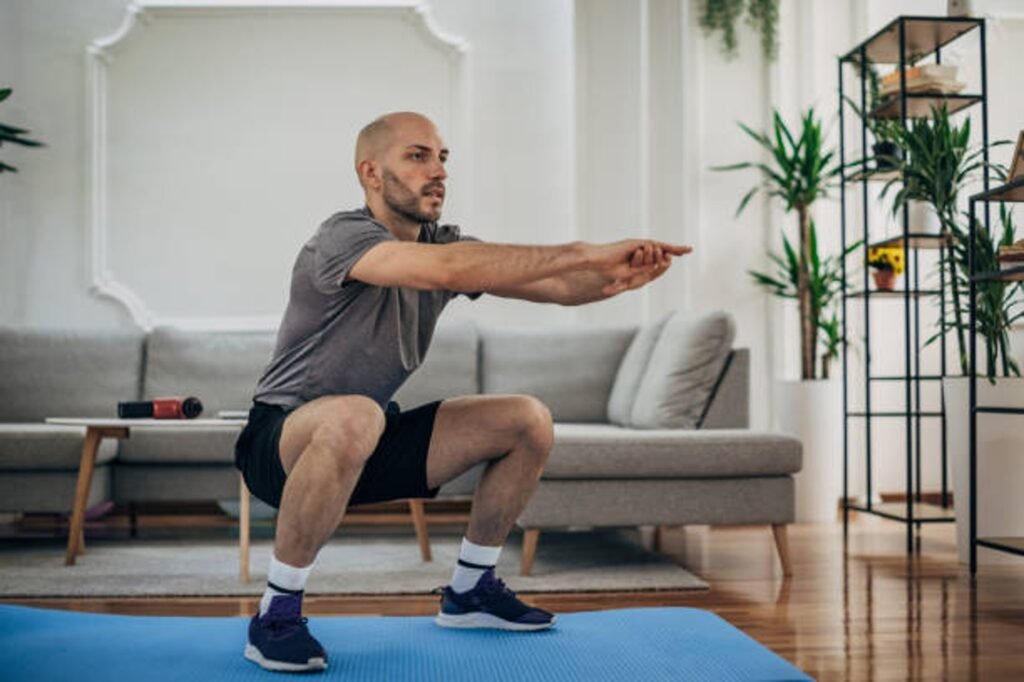
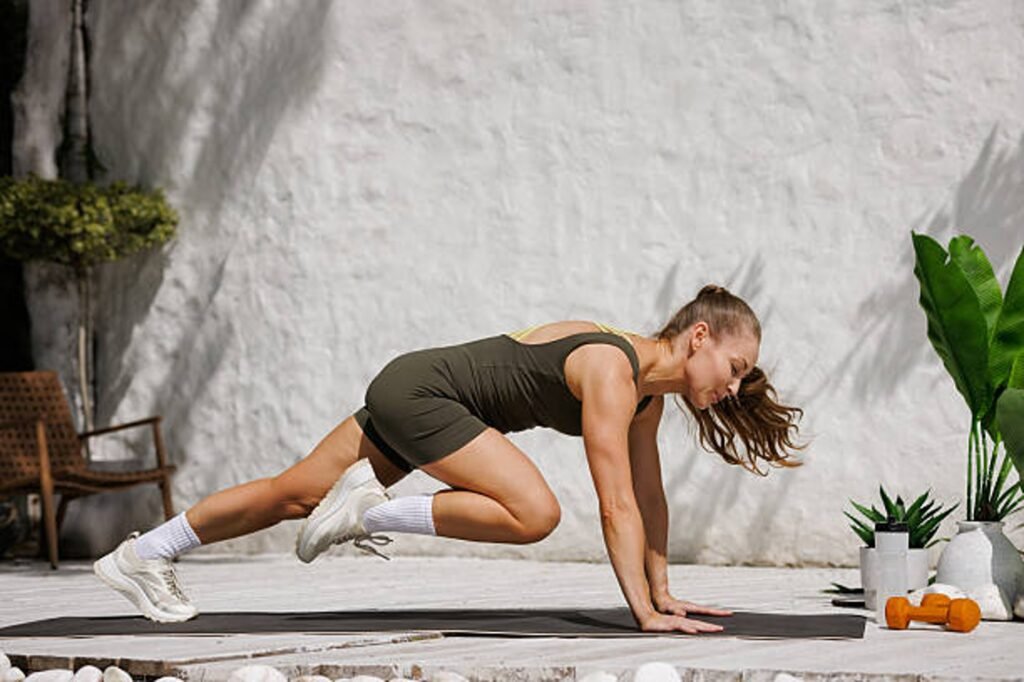
Bodyweight training is a type of exercise where your own body acts as resistance. You do not lift weights or use machines. Instead, you push, pull, lift or hold your body in different positions. Examples include push-ups, squats, lunges and planks. Each exercise targets certain muscles. For instance, push-ups work your chest and arms while squats focus on your legs and glutes.
- Uses your own body as resistance
- No weights or machines needed
- Improves strength, balance, and coordination
- Targets specific muscles like chest, arms, legs, and glutes
- Suitable for beginners and advanced levels
Bodyweight training is safe when done correctly. It also improves balance, coordination and core strength. Beginners can start slowly and increase difficulty over time. Advanced exercisers can try harder variations to challenge their muscles and endurance.
Benefits of Bodyweight Training
Bodyweight training has many benefits for your health and fitness. First, it builds muscle and strength in a safe way. Second, it improves your flexibility and balance. Third, it can burn calories and help with weight loss. Fourth, it is very convenient because you can do it anywhere. You do not need to spend money on a gym or equipment.
Fifth, it supports better posture and reduces the risk of injuries. Bodyweight training also increases stamina and energy levels. People who train regularly feel stronger and more active. Another benefit is that it works for all ages and fitness levels. Beginners, busy professionals and even older adults can benefit from simple exercises.
Top Bodyweight Exercises
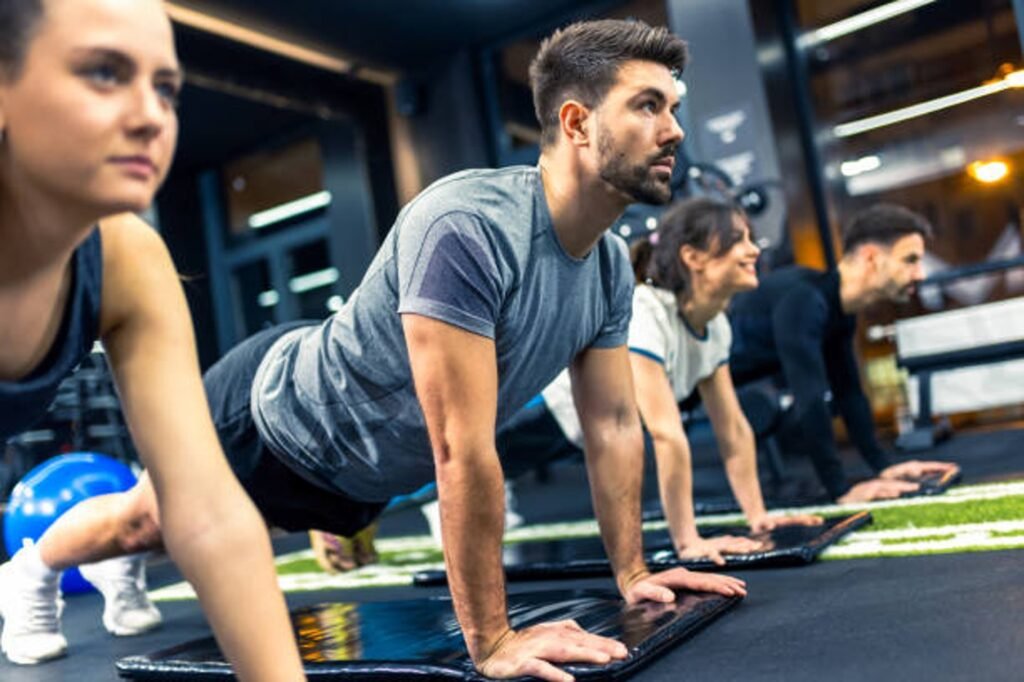
Some of the most effective bodyweight exercises are push-ups, squats, lunges, planks, and burpees. Push-ups are simple and strengthen the chest, arms, and shoulders. Squats help build strong legs and firm glutes. Lunges improve balance and leg flexibility. Planks are excellent for the core and support better posture. Burpees are full-body moves that boost endurance and burn calories fast.
You can combine these exercises into a routine. For example, doing push-ups, squats, and planks together can create a complete workout. Each exercise can be done for repetitions or for a set time. By mixing exercises, you keep your body challenged and avoid boredom.
How to Make a Routine
To make a good routine, start by choosing four to six exercises. Do each exercise for ten to fifteen repetitions. Rest for thirty to sixty seconds between each set. Repeat the full set two to four times depending on your fitness level. Train at least three to five days every week. Beginners can start with fewer sets and gradually increase.
Advanced exercisers can increase repetitions, sets, or add time-based challenges. It is important to track your progress. Keep a small log of exercises, repetitions and days trained. This helps you stay motivated and see improvements over time.
Tips for Better Results
Focus on form more than speed. Doing exercises slowly with proper posture works muscles better and prevents injury. Warm up before starting and stretch after finishing. Keep your core tight during exercises to protect your back. Drink water before, during, and after training. Eat healthy foods with enough protein to help muscles recover.
Sleep well each night to allow your body to repair and grow stronger. Small improvements each day will give big results in the long run. Listen to your body and rest if needed. Consistency and patience are the keys to success.
Common Mistakes to Avoid
Many people make mistakes when training with bodyweight exercises. One common mistake is skipping the warm up. This can cause injuries to muscles or joints. Moving too fast is another mistake. It reduces the effectiveness of the exercise. Poor posture or rounded back can strain the body.
- Skip warm up and risk injury
- Move too fast and lose effectiveness
- Poor posture strains muscles and joints
- Train too little or too much for poor results
- Compare yourself to others instead of focusing on growth
Training too little may not give results while training too much can lead to fatigue. Comparing yourself to others is also harmful. Everyone has different strengths and speed. Focus on your own growth, form and consistency. Correcting mistakes ensures safer and faster progress.
Advanced Variations
Once basic exercises become easy, you can try advanced variations. Clap push-ups are harder than normal push-ups and improve power. Pistol squats are single leg squats that challenge balance and strength. Side planks target side muscles and core stability. You can also add jumps to lunges or squats for more intensity.
Combining exercises into circuits is another way to make workouts harder. Time-based sets instead of repetition-based sets can improve endurance. Advanced variations help you break plateaus and continue to grow stronger.
FAQs
Q1. Can beginners do bodyweight training?
Yes. Start with easy exercises and low repetitions. Slowly increase as you get stronger.
Q2. Do I need a gym for bodyweight training?
No. You can train anywhere. A small space is enough.
Q3. How many days should I train each week?
At least three to five days. Rest days are also important.
Q4. Can bodyweight training help lose fat?
Yes. It burns calories, builds muscles and helps you stay lean.
Q5. How long before I see results?
With regular practice, results show in four to six weeks.
Final Thoughts
Bodyweight training is simple, effective, and convenient. It improves strength, endurance, and flexibility. Anyone can start at home with no tools. Progress depends on consistency, proper form and gradually increasing difficulty.
Tracking your routine and focusing on small improvements will give lasting results. Follow this guide, stay patient and enjoy a stronger, healthier and more confident body.


If you love classic fruit machines, this is your paradise. The atmosphere is so refreshing and the wins feel genuinely rewarding. Love everything about fruitcocktailcasino
The graphics on these slots are absolutely stunning. I spent a few hours here last night and had a blast. Really impressed with z168slot
Fair dinkum, this is one of the best pokies sites I have come across. The bonus rounds are thrilling and the overall experience is top notch. Give aupokies996 a go