


Introduction
Tracking calories and macros can change your fitness journey. Many people try to lose fat or gain muscle but do not see results. The main reason is lack of control over food intake. When you track what you eat you gain power over your goals. You stop guessing and start acting with purpose.
Calories are units of energy. Macros are protein carbs and fats. These three nutrients control how your body looks and feels. When you track them the right way you can shape your body with more accuracy. This guide will help you understand everything in a simple and clear way.
You do not need complex math and do not need to starve. You need a smart plan and steady action. Let us start.
What Are Calories and Why They Matter
Calories give your body energy. Every food has calories. Your body uses this energy to breathe, walk, think, and train. If you eat more calories than your body needs you gain weight. If you eat fewer calories than your body needs you lose weight. Weight loss is based on a calorie deficit. Muscle gain needs calorie surplus. Maintenance needs balance.
This is the core rule of body change. Many people ignore this rule. They focus on random diets. But without tracking calories results stay slow. When you track daily intake, you see the truth. This helps you adjust faster and reach your goal sooner.
Understanding Macros in Simple Terms
Macros means macronutrients. There are three main types. Protein carbs and fats. Protein helps build muscle. It repairs tissue after workouts. It keeps you full longer. Good sources are eggs chicken fish yogurt and beans. Carbs give quick energy. They help during workouts. They support brain work. Good sources are rice oats fruits and potatoes.
Fats support hormones and joint health. They also give energy. Good sources are nuts seeds olive oil and avocado. Each macro has calories. Protein has four calories per gram. Carbs have four calories per gram. Fats have nine calories per gram. This is why fat is more calorie dense.
Why Tracking Calories and Macros Works
Tracking works because it removes guesswork. When you measure food, you see real numbers. This builds awareness. Awareness leads to control. You may think you eat healthy. But healthy food can still be high in calories. Nuts are healthy but high in fat.
Smoothies are healthy but can be high in sugar. Tracking helps you see hidden calories. It also builds discipline. When you log food daily you stay focused. Small habits grow into strong results over time.
Why Tracking Calories and Macros Works
- Tracking shows real numbers so you stop guessing your food intake.
- You clearly see how many calories and macros you eat each day.
- Foods like nuts and smoothies may look healthy but can be high in calories.
- Daily logging keeps you focused on your goal.
- Small daily habits grow into strong and lasting progress.
How to Calculate Your Daily Calorie Needs
First find your maintenance calories. This is the number of calories your body needs to stay the same weight. You can use a simple online calculator to estimate this number. After that choose your goal. For fat loss reduce calories by small amount. Around three hundred to five hundred calories below maintenance works for most people.
For muscle gain add small amount. Around two hundred to three hundred calories above maintenance is a safe start. Track your weight each week. If weight does not change adjust calories slowly. Small changes work better than big changes.
How to Set Your Macro Targets
After setting calories, divide them into macros. A simple method works well for beginners. Protein should be high enough to protect muscle. Aim for about one gram per pound of body weight. Fats should support health. Around twenty to thirty percent of total calories is good for most people.
Carbs fill the rest of your calories. Adjust them based on activity level. More active people can eat more carbs. Keep it simple. You do not need perfect numbers. You need consistent numbers.
Best Tools for Tracking Food
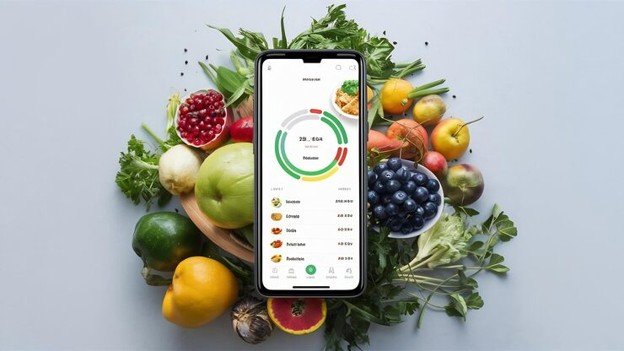
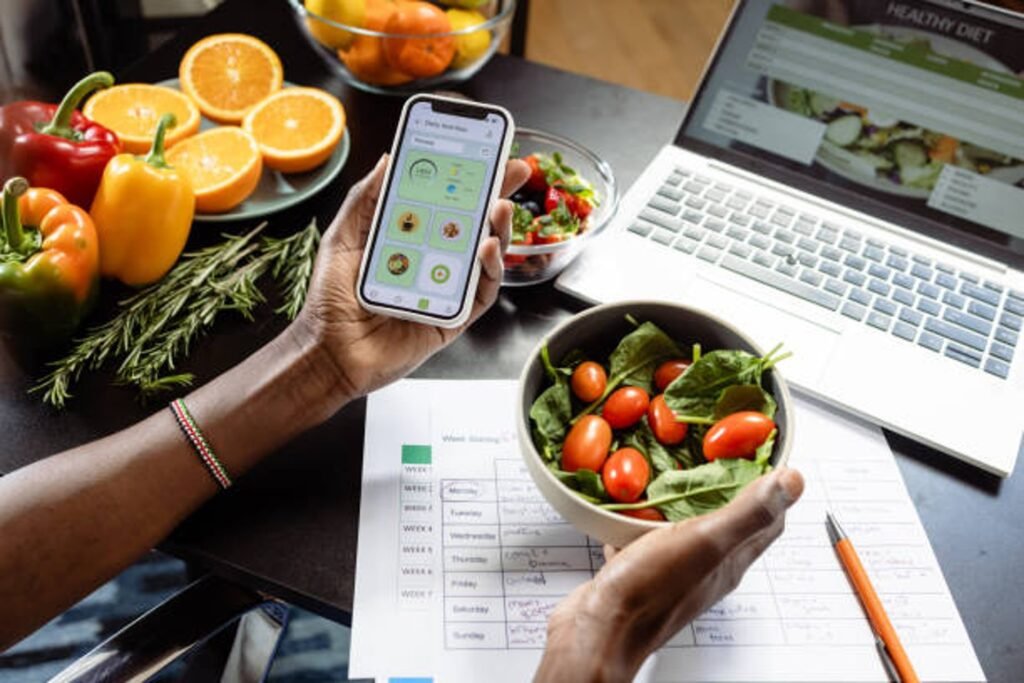
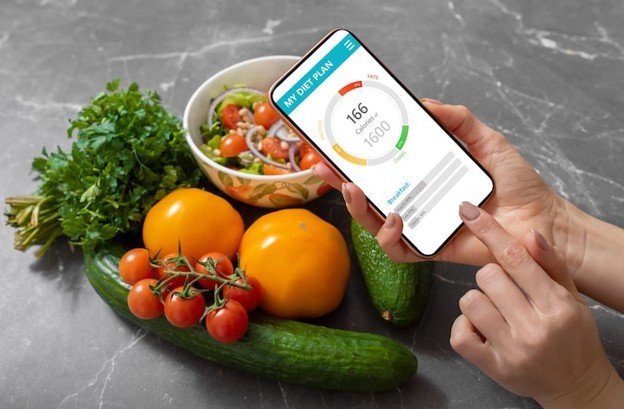
Many apps help track calories and macros. Popular apps like MyFitnessPal make tracking easy. You can scan barcodes and log meals in seconds. A food scale is also helpful. Measuring food by weight is more accurate than using cups or spoons. This improves results.
Keep your tracking simple. Log meals daily. Do not wait until night. This keeps your plan clear. Over time tracking becomes easy and fast. It feels like brushing your teeth.
Common Mistakes to Avoid
One big mistake is not measuring food. Estimating portions leads to errors. Small errors add up over time. Another mistake is being too strict. If you aim for perfect numbers, you may feel stress. Aim for close numbers not exact.
Skipping protein is also common. Low protein can lead to muscle loss during fat loss. Some people quit too soon. Results take time. Stay patient and trust the process.
How to Stay Consistent Without Stress
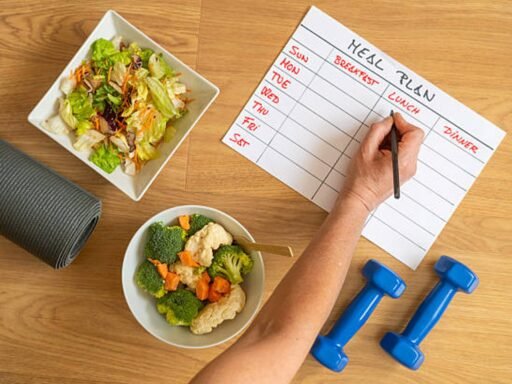
Tracking should help you not control you. Plan meals in advance. This reduces stress during busy days. Use simple meals. Eat similar breakfast and lunch daily. This saves time and makes tracking easy.
Allow small treats. If you enjoy a snack fit it into your calories. This keeps balance in your plan. Think long term. One day does not ruin progress. Focus on weekly trends not daily changes.
Tracking for Fat Loss vs Muscle Gain
For fat loss focus on calorie deficit and high protein. Lift weights to protect muscle. Walk daily to increase activity. For muscle gain focus on small surplus and strong training. Eat enough protein and carbs to fuel workouts.
Both goals need patience. Fast changes often lead to poor results. Slow steady change builds strong body and strong habits. Tracking helps you adjust when progress slows. This is why it works better than random dieting.
Building a Long-Term Healthy Lifestyle
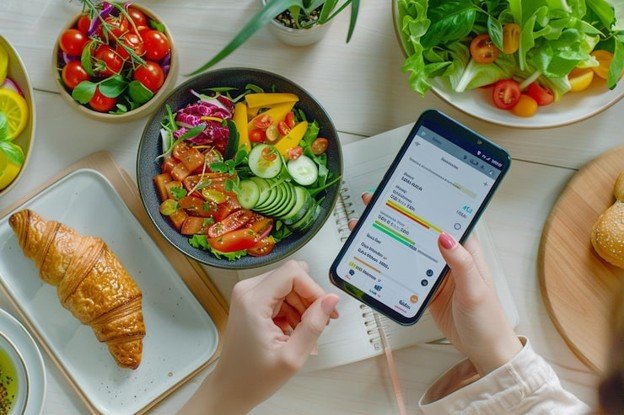
Tracking is a tool. It teaches you about food. Over time you learn portion control and macro balance. Some people track for months. Some track for years. Others stop after learning enough. The goal is awareness not obsession.
When you understand calories and macros you gain freedom. You can enjoy social events and still stay on track. Healthy lifestyle is not about strict diet. It is about smart choices and steady action.
FAQs
- Do I need to track forever
No. Many people track for a few months to learn portion sizes and then stop. - Can I lose weight without tracking
Yes but tracking makes it easier and more accurate. - Is tracking hard for beginners
At first it feels new but after one week it becomes simple. - What if I miss one day of tracking
Do not panic. Start again next meal and stay consistent. - Should I focus more on calories or macros?
Calories decide weight change. Macros improve body shape and health. Both matter for best results.
Final Thoughts
Tracking calories and macros is one of the most powerful habits for body change. It gives clarity and control. It removes confusion and builds confidence. You do not need complex plans. You need simple rules and daily action. Start with your calorie target.
Set your protein carbs and fats. Log your food each day. Stay patient and consistent. Results will come with time. Smart tracking leads to better results and long-term success.



Comments are closed.