



Introduction
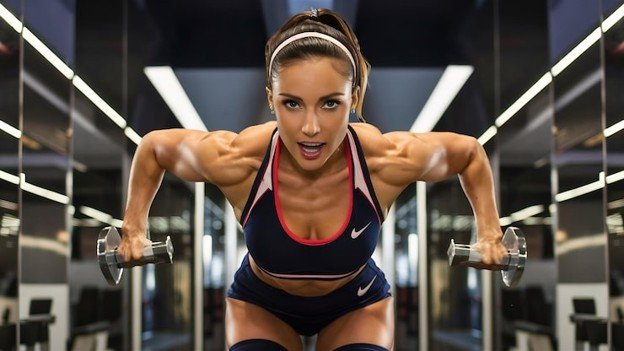
Strength training is not just for men. Women can gain many benefits from lifting weights and doing resistance exercises. It helps build power, improve health, and boost confidence. Many women avoid strength training because they fear getting too big or bulky. But the truth is it shapes the body, increases metabolism, and strengthens bones and muscles.
Strength training also improves mood and reduces stress. Regular sessions help women feel energetic and ready for daily tasks. In this guide we will explore the best ways for women to train, stay motivated, and enjoy long-term results. You will learn how to start safely and build a routine that fits your lifestyle.
Why Strength Training is Important for Women
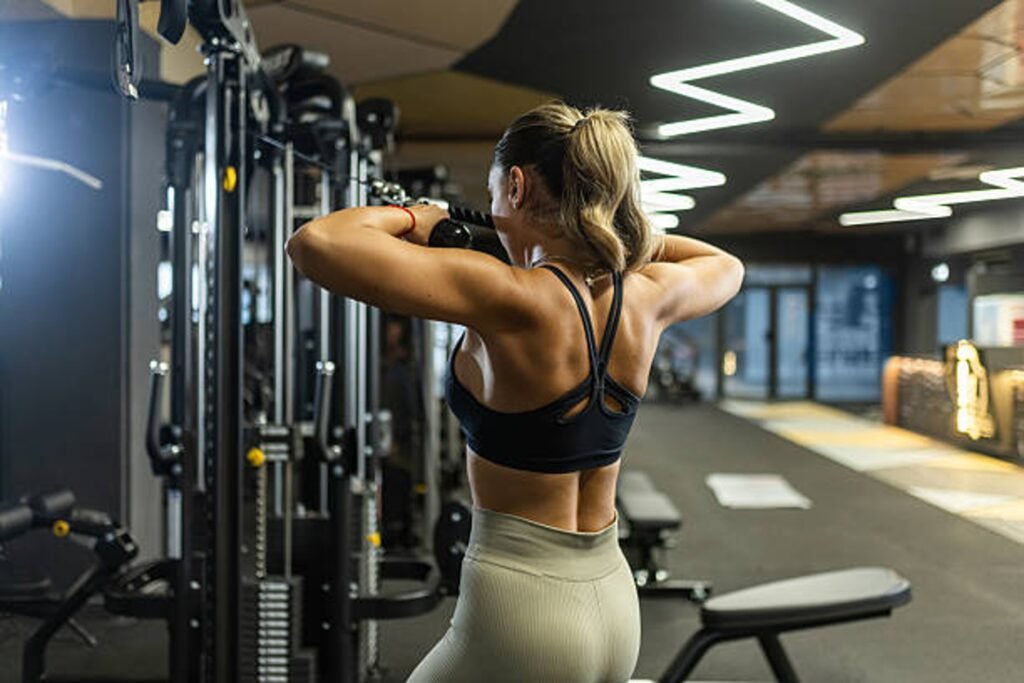
Strength training is important for women of all ages. It helps burn fat faster than regular cardio and keeps the metabolism active throughout the day. It also improves posture and reduces the risk of injuries by strengthening muscles and joints. Women who lift weights often feel stronger and more confident in daily life.
- Burns Fat Faster: Strength training boosts metabolism and helps women burn fat more effectively than cardio.
- Builds Strong Muscles: It strengthens muscles and joints, reducing the risk of injuries in daily life.
- Improves Posture: Regular training supports better posture and balance.
- Supports Bone Health: Lifting weights increases bone density and helps prevent osteoporosis.
- Boosts Energy and Mood: Strength exercises improve energy levels, sleep quality and overall wellbeing.
Simple tasks like carrying groceries, climbing stairs or lifting children become easier. Strength exercises also improve bone density, which is important for preventing osteoporosis.
Types of Strength Training Exercises
There are many ways to do strength training. Some common methods are bodyweight exercises, weight machines, free weights, and resistance bands. Bodyweight exercises like squats, push-ups, lunges, and planks are easy to start at home and require no equipment. Free weights such as dumbbells and barbells allow for targeting specific muscles and increasing resistance gradually.
Machines are useful for beginners to learn proper form safely and maintain control during exercises. Resistance bands are portable and versatile and provide different levels of tension. Combining different types of exercises ensures all major muscles are worked and keeps workouts interesting. Variety also helps prevent plateaus and keeps motivation high.
How to Start Strength Training
Starting strength training can feel intimidating. Begin with simple exercises and light weights. Focus on learning the correct form to avoid injuries and get the best results. Start with two or three sessions per week and gradually increase frequency and intensity. Warm up before every session to prepare your muscles and joints.
Stretch after training to improve flexibility and reduce soreness. Track progress by noting weights, reps, or sets completed each session. Listen to your body and take rest days when needed. Consistency is more important than intensity in the beginning. Over time, gradual progress will lead to visible results and increased strength.
Tips for Building Muscle and Strength
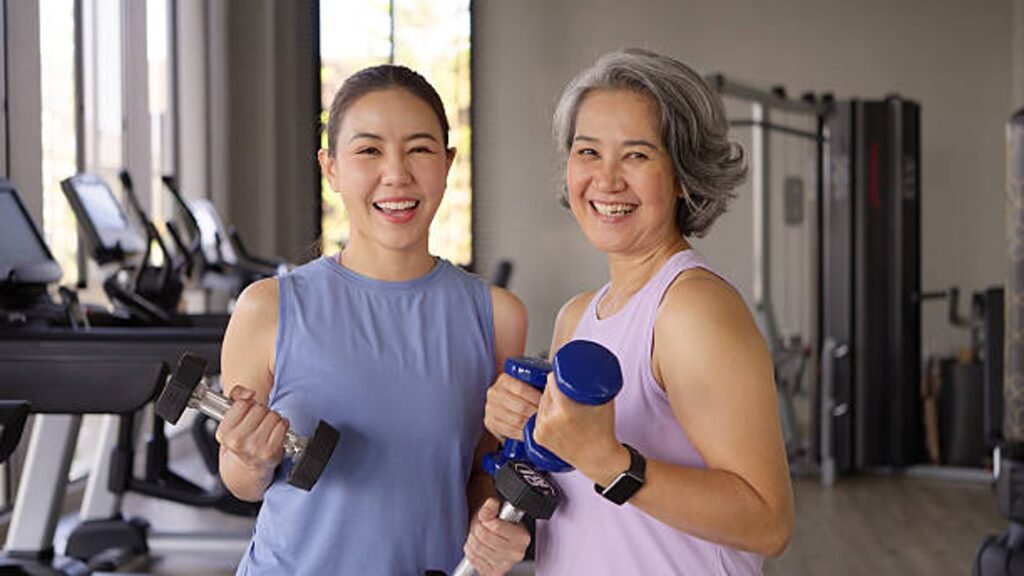
To build muscle, women need a mix of proper exercise and nutrition. Protein helps repair and grow muscles after workouts. Include lean meats, eggs, beans, nuts and seeds in your diet. Drinking plenty of water is essential for recovery and energy. Sleep is equally important as workouts for muscle repair and overall health.
Progressive overload is key to building strength, which means gradually increasing the weight or number of repetitions. Stay patient and consistent, as results take time to appear. Avoid comparing yourself with others and focus on your own growth. Celebrate small wins and use them as motivation to keep going. Tracking your progress helps you see how far you have come.
Common Myths About Strength Training
Many myths stop women from lifting weights. One myth is that strength training makes women bulky. This is false because most women do not have enough testosterone to gain huge muscles. Another myth is that lifting weights is dangerous. With proper form, correct weight and guidance, strength training is safe and effective.
Some people think cardio alone is better for weight loss but combining cardio with strength training gives better results. Another myth is that machines are the only safe way to train. Free weights and bodyweight exercises are safe if performed correctly. Understanding the facts helps women enjoy training without fear and build real strength and confidence.
Strength Training for Different Age Groups
Women of all ages can benefit from strength training. Teenagers can improve sports performance, posture, and bone health. Women in their 20s and 30s can shape their body, maintain energy and improve overall health. Women over 40 can prevent muscle loss, improve balance and support joint health.
- Teenagers improve sports, posture and bone health
- Women in 20s and 30s shape body and maintain energy
- Women over 40 prevent muscle loss and support joints
- Seniors stay active and independent with light weights
- Exercises can be adapted to age, fitness and health
Even seniors can safely lift light weights to stay active and independent. Exercises can be adapted to age, fitness level and any health conditions. Starting early helps build strong habits and long-term benefits.
How to Stay Motivated
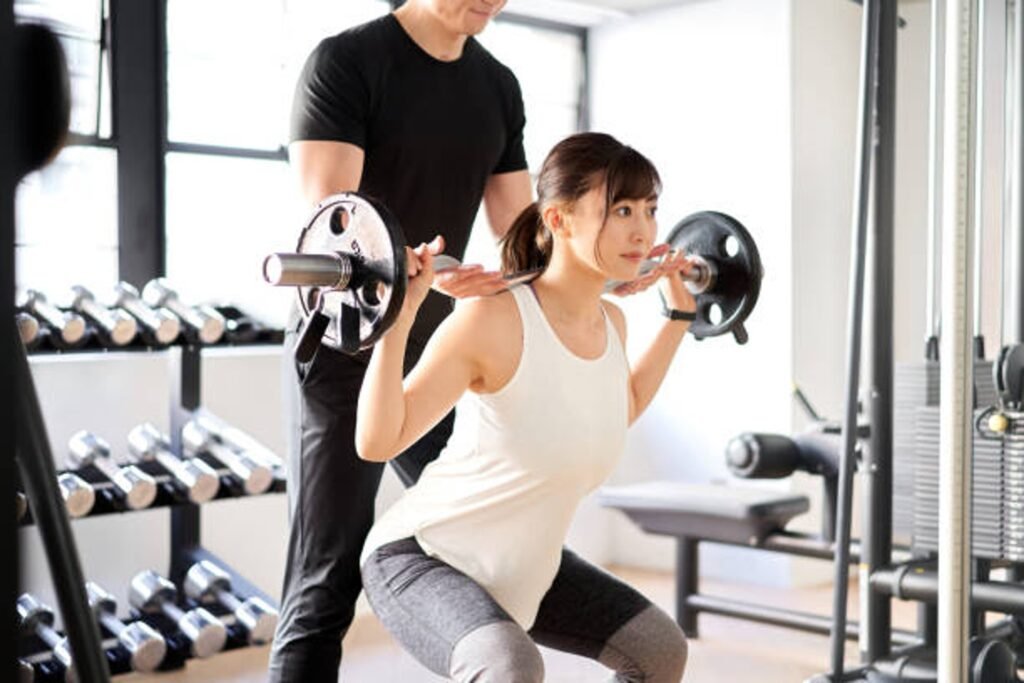
Staying motivated is often the hardest part of strength training. Set small achievable goals such as adding extra repetitions or lifting slightly heavier weights. Celebrate achievements even if they are small. Find a workout buddy or join a class to stay accountable and make training more fun.
Keep workouts interesting by trying new exercises, changing routines, or listening to music playlists. Track your progress with photos or notes to see improvements in strength, shape and confidence. Motivation increases as you notice positive changes in your body and energy levels. Remember that consistency is the key to long term success.
FAQs
- How often should women do strength training?
Two to four times per week is enough for most women. Focus on consistent effort and proper form. - Can women lose weight with strength training?
Yes, strength training helps burn fat and build lean muscle. Combining it with a healthy diet gives better results. - Is it safe to train at home without a coach?
Yes, if you learn proper form and start with light weights. Online tutorials and guides can help you begin safely. - How long does it take to see results?
Most women notice changes in strength and body shape in four to eight weeks with regular training. - Should women lift heavy or light weights?
Start with light to moderate weights and gradually increase. Heavy lifting is safe if done with proper technique.
Final Thoughts
Strength training is a powerful tool for women. It builds strong muscles, shapes the body, and boosts confidence. Starting slowly, learning correct form and staying consistent are the keys to long-term success. Myths about bulking and danger should not stop women from lifting weights.
With patience, dedication, and a positive mindset, every woman can enjoy the benefits of strong muscles and better health. Begin today and experience the change in your strength, energy, and confidence. Strength training is more than a workout; it is a step toward a healthier and more empowered life.