



Introduction
The future of personalized digital health is changing the way people understand and manage their health. Traditional healthcare often depends on short visits to a doctor and limited health information collected at specific times. Personalized digital health aims to create a more complete picture by using health data from wearable devices and mobile apps and remote monitoring systems and other digital tools.
This approach can help healthcare professionals understand changes in a person’s health over time rather than relying only on information collected during a clinic visit. The future of personalized digital health is closely linked with artificial intelligence and precision medicine and connected healthcare. These technologies can help turn large amounts of health data into useful information for patients and medical teams.
In May 2026 the World Health Assembly endorsed a resolution supporting precision medicine that uses clinical and genomic and other health data to support more targeted and personalized care.
What Is Personalized Digital Health?
Personalized digital health means using digital technology to provide healthcare that is better suited to an individual. It can combine information from health apps and wearable devices and electronic health records and remote patient monitoring systems and other sources. The main goal is not simply to collect more health data. The goal is to use that data to support better decisions.
For example, a wearable device may record heart rate and activity and sleep patterns. A remote patient monitoring system may collect blood pressure or glucose data. An AI system can then examine these patterns and help identify changes that may need attention.
How AI Will Shape Personalized Healthcare
Artificial intelligence will be one of the most important technologies in the future of personalized healthcare. Modern healthcare systems can produce huge amounts of information that can be difficult for people to review manually. AI can help analyze this information and identify patterns. It can also support risk prediction and patient monitoring and personalized health recommendations.
For example, an AI healthcare system may compare a patient’s current health data with their previous patterns. If the system notices an unusual change, it may create an alert for further review. AI does not remove the need for doctors. Instead, it can give medical professionals more useful information so they can make better-informed decisions.
The Growth of Wearable Health Technology
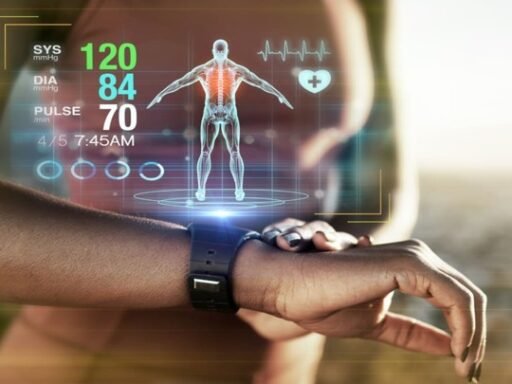
Wearable health technology is already becoming an important part of digital healthcare. Smartwatches and fitness trackers and other wearable devices can collect information about activity and heart rate and sleep and other health measures. The future may bring more advanced wearable sensors that can monitor a wider range of biological signals.
- Wearable devices support modern digital healthcare.
- Smartwatches can track heart rate and activity.
- Health trackers can monitor sleep patterns.
- Advanced sensors may track more health signals.
- Wearables can support remote patient monitoring.
These devices may become smaller and more comfortable while providing more useful information. Wearable technology can also support remote patient monitoring.
Remote Patient Monitoring Will Become More Important
Remote patient monitoring is another major part of the future of personalized digital health. It allows health information to be collected outside traditional healthcare settings and shared with healthcare professionals. This model can be especially useful for people with long-term health conditions. Data from devices can provide a more regular view of the patient’s condition.
Research on AI-integrated remote patient monitoring shows potential benefits in areas such as diabetes and heart disease and chronic pain management. These systems can support continuous data collection and help healthcare teams respond to important changes.
Digital Health Will Become More Predictive
Healthcare has traditionally focused on treating problems after they appear. Personalized digital health may help shift healthcare toward prevention. Predictive healthcare uses data to estimate future risks. AI systems can examine health history and lifestyle information and current health measurements to identify patterns that may suggest a higher risk of certain problems.
This does not mean that technology can predict every disease with certainty. Health is complex, and many factors affect medical outcomes. Still, predictive analytics can give doctors another useful source of information. When combined with professional judgment, it may support earlier action and more personalized treatment.
Precision Medicine and Digital Health
Precision medicine is closely connected with the future of personalized digital health. Instead of using the same approach for every patient, precision medicine considers differences between individuals. These differences may include genetics and medical history and lifestyle and environmental factors and other health information.
The World Health Organization describes precision medicine as an approach that can use clinical and molecular and genomic and other health data to support prevention and diagnosis and treatment while considering individual differences. Digital technology can help collect and organize some of this information. AI can then help analyze complex data sets.
Personalized Digital Health Apps Will Improve
Health apps are likely to become more useful as digital health technology develops. Many current apps focus on fitness, nutrition, sleep, or basic health tracking. Future applications may provide more personalized support by combining information from several sources.
For example, a health app could combine activity data and sleep information and medication schedules and other patient-approved information. It could then provide reminders or general health guidance based on the user’s needs. The most useful apps will likely be those that work as part of a wider healthcare system rather than operating as isolated tools.
Privacy Will Be a Major Concern
The future of personalized digital health will also create serious questions about privacy. Health information is highly personal. Digital systems may collect large amounts of information about a person’s body and behavior and medical history. Patients need to understand what data is collected and how it is stored and who can access it and how it may be used.
Strong cybersecurity will also be essential. A healthcare system that collects more data must also protect that data from unauthorized access. Trust will become one of the most important factors in digital healthcare adoption.
Access and Health Equity Matter
Advanced healthcare technology should not only benefit people who can afford expensive devices or have access to fast internet. There is a risk that digital health could increase existing health gaps if new technologies are not designed for different populations. The WHO has highlighted the need for equitable access to precision medicine and digital health innovation.
Its 2026 work also stresses responsible implementation and stronger health system capacity. Affordable devices, accessible health apps, and reliable digital infrastructure will therefore be important. Technology should support healthcare access rather than create another barrier.
What Patients Can Expect in the Future
Patients may eventually experience healthcare that is more continuous and more personalized. Instead of health information being collected only during appointments people may have a connected health record that brings together information from approved devices and healthcare systems. Doctors may have access to a clearer view of long-term health trends.
Patients may receive more personalized reminders and monitoring support. AI may help identify important changes that deserve professional attention. This does not mean that every person will have the same technology.
Challenges That Healthcare Must Solve
The future of personalized digital health is promising but it is not without challenges. Data privacy is one concern. Cybersecurity is another. Poor quality data can also lead to poor recommendations. AI systems may produce biased results when they are trained on incomplete or unbalanced data.
Healthcare organizations also need systems that can communicate with each other. Doctors need information that fits into their existing workflows rather than creating extra administrative work. Recent research identifies privacy and data security and technical limits and regulation and healthcare integration and digital inequality as important challenges for digital health.
FAQs
Q1. What is the future of personalized digital health?
The future of personalized digital health will focus on using AI and wearable devices and health apps and remote monitoring to provide more personalized healthcare.
Q2. How does AI support personalized digital health?
AI can analyze large amounts of health data and identify patterns that may help healthcare professionals make better-informed decisions.
Q3. What role will wearable devices play in digital healthcare?
Wearable devices can collect health information such as heart rate and activity and sleep patterns. This data can support continuous health monitoring.
Q4. Is personalized digital health safe?
Personalized digital health can be safe when healthcare providers use secure systems and protect patient data. Privacy and cybersecurity will remain important concerns.
Q5. How will personalized digital health change healthcare?
It may help healthcare become more preventive and personalized by allowing professionals to monitor health trends and make decisions based on a wider range of individual health data.
Final Thoughts
The future of personalized digital health looks promising as technology continues to change the way healthcare is delivered. AI and wearable devices and remote patient monitoring and health apps can help provide more useful information about an individual’s health and support more personalized care.
However, technology should not replace doctors or human judgment. Privacy and data security and equal access must remain important as digital healthcare develops. The best results will come from combining advanced technology with professional medical expertise.
Personalized digital health is not only about collecting more data. It is about using the right data in the right way to help people receive safer and more effective care. As these technologies continue to improve, personalized healthcare could become a major part of everyday health management.