


Introduction
Healthcare is changing at a remarkable speed. Technology is moving healthcare beyond hospitals and clinics. People can now track many parts of their health through devices that they wear every day. Smartwatches and fitness bands have already made health tracking common. The next major step may come from nanotech wearables.
Nanotech wearables use extremely small materials and advanced sensors to collect useful health information. These devices can interact closely with the human body. They may monitor body signals without causing major discomfort. They can also collect information over long periods. This creates new opportunities for remote health monitoring and personalized care.
Researchers are developing wearable biosensors that can measure both physical and chemical signals. These systems may study heart rate and body temperature. They can also examine substances found in sweat and other body fluids. Recent research shows that nanomaterials can improve the sensitivity and flexibility of wearable health sensors.
What Are Nanotech Wearables?
Nanotech wearables are smart devices that use nanotechnology to monitor information from the human body. Nanotechnology works with materials and structures at an extremely small scale. This allows researchers to create sensors with unique electrical and chemical properties. A nanotech wearable may look simple from the outside. It could appear like a patch or a small piece of flexible electronics.
However, the sensor inside can perform complex tasks. It may detect changes in temperature or pressure. It may also detect chemical signals linked with health conditions. Modern wearable biosensors can collect information from sweat and other body fluids. Some systems use electrochemical or optical methods to identify biological markers.
How Do Nanotech Health Sensors Work?
Nanotech health sensors work by detecting changes in the body and converting them into digital information. The sensor may respond to a physical signal or a chemical signal. A small electronic system then processes the collected information. For example, a wearable sensor could measure skin temperature. Another sensor could monitor pressure caused by body movement.
More advanced systems can study chemical markers in sweat. The collected data can then move to a smartphone or another connected system. Software can organize the information and identify changes over time. Artificial intelligence may also help turn large amounts of sensor data into useful health insights.
Why Nanotechnology Matters in Wearable Health Devices
Traditional electronic devices can be rigid and uncomfortable. The human body is flexible and constantly moving. A health sensor must therefore work while the skin stretches and the body changes position. Nanomaterials can help solve some of these problems.
Why Nanotechnology Matters in Wearable Health Devices
- Smaller Sensors: Nanomaterials allow health sensors to become smaller and lighter.
- Better Flexibility: Flexible nanomaterials can move naturally with the body.
- Higher Sensitivity: Nanotech sensors can detect very small changes in body signals.
- Better Skin Contact: Advanced sensors can fit closely to the skin for better data collection.
- More Comfort: Lightweight and flexible devices can be more comfortable for long-term use.
Nanotech Wearables for Continuous Health Monitoring
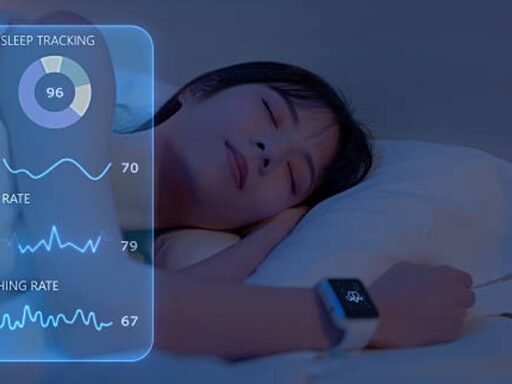
One of the biggest advantages of nanotech wearables is continuous health monitoring. Traditional medical tests often provide information at a single point in time. A wearable device can collect information throughout the day. This difference can be important. Some health changes may happen gradually. A single test may not show the complete picture.
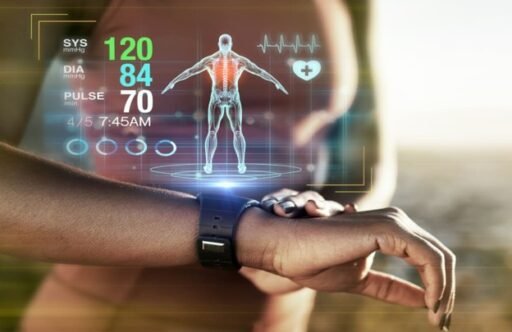
Continuous monitoring can provide a wider view of how the body changes during normal daily life. Wearable sensors can monitor several types of information. These may include body temperature and movement. They may also measure heart-related signals and chemical markers.
Nanotechnology and Personalized Healthcare
Personalized healthcare is another important area for nanotech wearables. Every person has different habits and biological patterns. A health system that understands individual changes may provide more useful information than a system based only on general averages. Nanotech wearables could collect personal health data over weeks or months.
This information could help create a detailed picture of an individual’s normal patterns. Artificial intelligence can then analyze these patterns. It may identify unusual changes that deserve further attention. However, such systems should not be treated as replacements for professional medical diagnosis.
Nanotech Wearables and Remote Patient Monitoring
Remote patient monitoring is becoming an important part of modern healthcare. Patients do not always need to remain inside a hospital to provide useful health information. A wearable sensor can collect health data while a person continues normal activities. The information can potentially be shared with healthcare systems for review.
This approach may be useful for people who need regular monitoring. It may also help healthcare professionals understand how a patient behaves outside a clinical setting.
Smart Materials Can Make Wearables Better
Materials are at the heart of nanotech wearables. Researchers are developing materials that can improve flexibility and sensitivity. Some materials can also support better contact with the skin. Two-dimensional materials are one area of research. These materials can have useful electrical and mechanical properties.
They can be used in different types of wearable sensors. Research has explored pressure sensors and temperature sensors. It has also examined electrochemical and optical sensors. These technologies may help wearable devices collect different types of health information.
What Health Information Can Nanotech Wearables Track?
The potential applications of nanotech wearables are broad. Some devices can focus on basic physical signals. Others are being developed to detect chemical information. Possible health measurements include heart activity and body temperature. They can also include movement and breathing patterns.
Advanced systems may monitor biomarkers in sweat or other body fluids. Sweat is particularly interesting because it contains many biological substances. Researchers have explored wearable sweat sensors as a way to study molecular information without traditional sample collection.
Challenges Facing Nanotech Wearables
Nanotech wearables have great potential, but important challenges remain. A sensor must provide reliable information in real-world conditions. Body movement can affect measurements. Sweat levels can also change with temperature and activity. Data quality is another major concern. Large amounts of health data need accurate interpretation.
- Data Accuracy: Sensors must provide reliable health data in daily use.
- Body Movement: Movement can affect sensor readings and data quality.
- Changing Conditions: Heat and sweat can impact sensor performance.
- Data Privacy: Wearables collect sensitive health information that needs protection.
- Clinical Value: Collected data must be tested to prove its medical value.
A sensor may collect information successfully, but that does not automatically mean the information has clinical value. Privacy is also important. Wearable devices can collect sensitive personal information.
The Future of Nanotech Wearables
The future of nanotech wearables looks promising. Research is moving toward devices that are smaller and more flexible. Scientists are also exploring systems that can monitor several health signals at once. AI may become a major part of this development. Instead of simply collecting data, wearable devices may increasingly help interpret patterns.
This could make health technology more useful for personalized care. Future devices may become almost invisible to users. They could be integrated into patches and clothing. Some systems may eventually work with smart textiles and other forms of flexible electronics.
FAQs
- What are nanotech wearables?
Nanotech wearables are smart health devices that use tiny materials and sensors to monitor body signals and health data. - How do nanotech wearables work?
They use advanced sensors to detect physical or chemical changes in the body. The data can then be sent to a phone or health system. - What can nanotech wearables monitor?
They can monitor body temperature and movement. Some advanced devices can also track heart signals and certain biomarkers. - How can nanotechnology improve wearable health devices?
Nanotechnology can make sensors smaller and more flexible. It can also improve their sensitivity and ability to collect health data. - Are nanotech wearables safe?
Safety depends on the device and its materials. Medical wearables should undergo proper testing and clinical validation before use.
Buy a Sugar Stripe. Click Here
Final Thoughts
Nanotech wearables represent an exciting direction for smart health technology. They combine nanotechnology with sensors and digital systems to create new ways of monitoring the human body. Their greatest value may come from continuous and personalized health monitoring. Instead of depending only on occasional medical tests, people may have access to more detailed information about their daily health patterns.
Current research already shows strong progress in wearable biosensors and nanotechnology. At the same time many technologies are still being developed and tested. Nanotech wearables are therefore not simply smaller versions of existing health devices. They could become an important part of a future healthcare system where monitoring is more continuous and personalized.