




Introduction
A balanced diet is the base of a healthy life. What you eat each day shapes your body and mind. Food gives you power and helps you grow. Food keeps your brain sharp. When your diet is right, your body works well. When your diet is poor, you feel weak and tired. Many people think a balanced diet is hard. It is not hard. It is about smart food choices and daily habits.
You do not need rare food or high-cost meals. You need simple, fresh, and clean food in the right amount. Healthy eating is not about strict rules. It is about steady and wise steps each day. Your body needs fuel just like a car. If you give poor fuel, the engine slows down.
What Is a Balanced Diet?
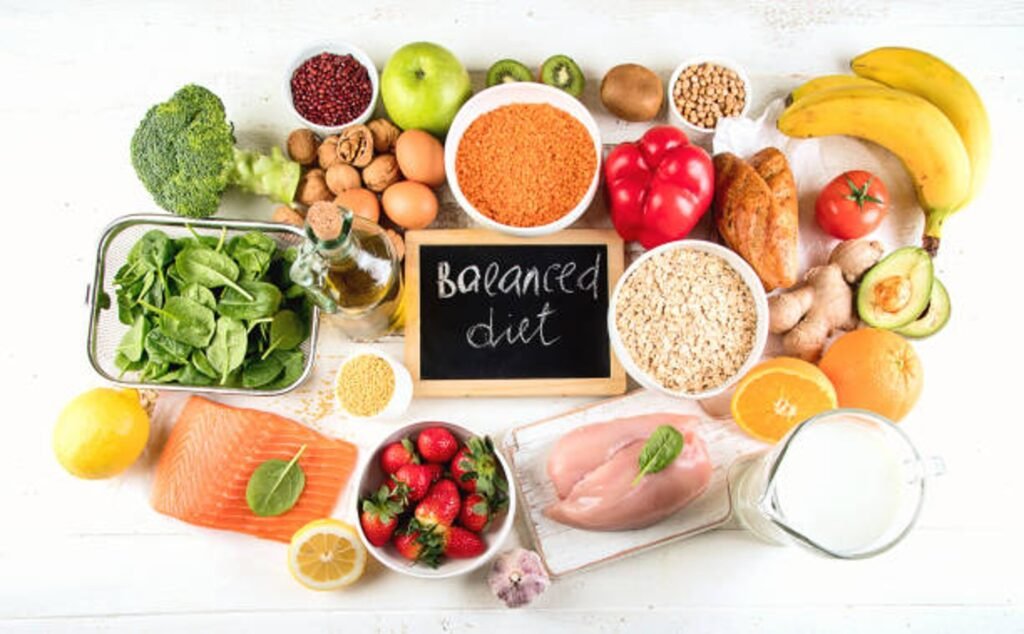
A balanced diet means eating many types of food in the right share. Your body needs protein carbs fats vitamins and minerals. Each part has a role. If one part is low your body may suffer. When all parts work together your health improves. Balance also means eating in the right amount.
Too much of even healthy food can lead to weight gain. Too little food can lead to weakness. The goal is to eat enough to support your daily needs. Your age size and activity level also matter. A balanced diet gives steady power all day.

The Role of Carbs in Daily Energy
Carbs are the main fuel of your body. They give fast and steady energy. Your brain also needs carbs to work well. Without carbs you may feel tired and slow. There are good carbs and poor carbs. Good carbs come from whole grains fruits and veg. These foods give fiber and vitamins.
Fiber helps your gut work well. It supports smooth digestion. It also helps control blood sugar levels. Poor carbs come from white bread sweets and sugary drinks. These foods give quick energy but cause a crash later. This crash can make you feel tired and hungry again.
Protein for Growth and Repair
Protein is vital for body growth and repair. It builds muscles and repairs tissues. It helps produce enzymes and hormones. Without enough protein your body may lose strength. Protein supports hair skin and nails. It also helps keep your immune system strong. When you fall sick your body uses protein to recover.
That is why daily intake is very important. Good protein sources include eggs fish chicken milk yogurt beans lentils nuts and seeds. Plant based protein is also strong. Mixing beans and grains can give full protein support.
Healthy Fats Are Important
Fats are often misunderstood. Many people think all fats are bad. This is not true. Healthy fats are essential for the body. They support brain health and heart health. Fats help your body absorb vitamins A D E and K. These vitamins need fat to work well.
Without healthy fat your body cannot use them fully. Good fats come from olive oil nuts seeds and fatty fish. These fats support good cholesterol levels. They reduce risk of heart disease. Avoid fried food and trans fats. These unhealthy fats can raise bad cholesterol.
The Power of Fruits and Vegetables
Fruits and veggies are rich in vitamins, minerals, and fiber. They are low in calories but high in nutrients. They help your body stay strong and active. Each color in fruits and veggies has special benefits. Green veggies like spinach and broccoli support blood health.
Orange fruits like mango and carrot support eye health. Red fruits like berries support heart health. Fiber in fruits and veg helps digestion. It supports gut health, and reduces the risk of constipation. It also helps control weight by keeping you full.

Importance of Hydration
Water plays a key role in balanced diet fundamentals. Your body is mostly water. Every cell needs water to work well. Water helps move nutrients through your blood. It helps remove waste through sweat and urine and keeps your skin soft and fresh.
It also helps control body temperature. Many people confuse thirst with hunger. They eat when they only need water. Drinking enough water may help control extra snacking. Drink water through the day. Start your morning with a glass of water.
Why Hydration Is Important
- Every cell in your body needs water to work well and stay active.
- Water helps flush out toxins through sweat and urine to keep your body clean.
- Water helps regulate body temperature and prevents overheating.
- Drinking water can prevent overeating because thirst is often confused with hunger.
- Proper hydration keeps energy levels steady and supports overall health.
Portion Control and Meal Timing
Portion control is very important. Even healthy food can cause weight gain if eaten in large amount. Learning correct portion size helps maintain healthy weight. Eat slowly and mindfully. When you eat fast you may overeat. Slow eating helps your brain catch up with your stomach.
You feel full at the right time. Meal timing also matters. Skipping meals can lead to strong hunger later. This may cause overeating. Try to eat at regular times each day. Small balanced meals help keep blood sugar steady.
Limit Processed and Junk Food
Processed food often contains high sugar salt and unhealthy fat. These foods may taste good but offer low nutrition. Over time they harm health. Fast food chips candy and sweet drinks add empty calories. They can lead to weight gain and heart issues. They may also increase risk of diabetes.
Reading food labels helps you make better choices. Look for simple ingredients. Avoid foods with long chemical names. Choose home-cooked meals when possible. Cooking at home allows control over ingredients.
Balanced Diet and Mental Health
Food affects your mood and focus. Poor diet can lead to low energy and mood swings. Healthy eating supports mental clarity. Omega fats from fish and nuts support brain health. Whole grains support steady energy for the brain. Fresh fruits and veg support overall mental wellness.
When blood sugar stays stable mood stays stable. Sudden sugar spikes may cause mood swings. Balanced meals help avoid these swings. Eating well also builds self-discipline. When you care for your body, your mind feels strong.
Long-Term Benefits of Healthy Eating
Healthy eating lowers risk of heart disease, diabetes, and obesity. It supports strong bones and muscles. It improves immune defense. Balanced diet supports healthy aging. It reduces risk of chronic illness. It keeps your skin clear and glowing.
Good nutrition also supports better sleep. When your body gets right nutrients, it rests better at night. Small daily choices create long term success. You do not need big change at once. Start with one healthy habit.
FAQs
- What is a balanced diet?
A balanced diet includes protein, carbs, healthy fats fruits and veg in the right portion. - How many meals should I eat daily?
Most people do well with three main meals and one or two small snacks. - Can I follow balanced diet on a budget?
Yes simple foods like rice beans eggs and local veg are healthy and low cost. - Is sugar bad for health?
Too much sugar can harm health. Small amount at times is fine. - How long before I see results?
You may feel more energy within weeks. Long term results come with steady habit.
Final Thoughts
Balanced diet fundamentals are simple and practical. Eat a variety of whole foods. Control portion size. Drink enough water. Limit junk food. Healthy eating is not about strict rules or fear. It is about smart daily choice. Each meal is a chance to care for your body.
Start small and stay steady. Replace one poor habit with one healthy habit. Over time your body will feel strong and active. A balanced diet supports your present and your future. When you respect your food, you build a healthy and happy life.



Comments are closed.