




Introduction
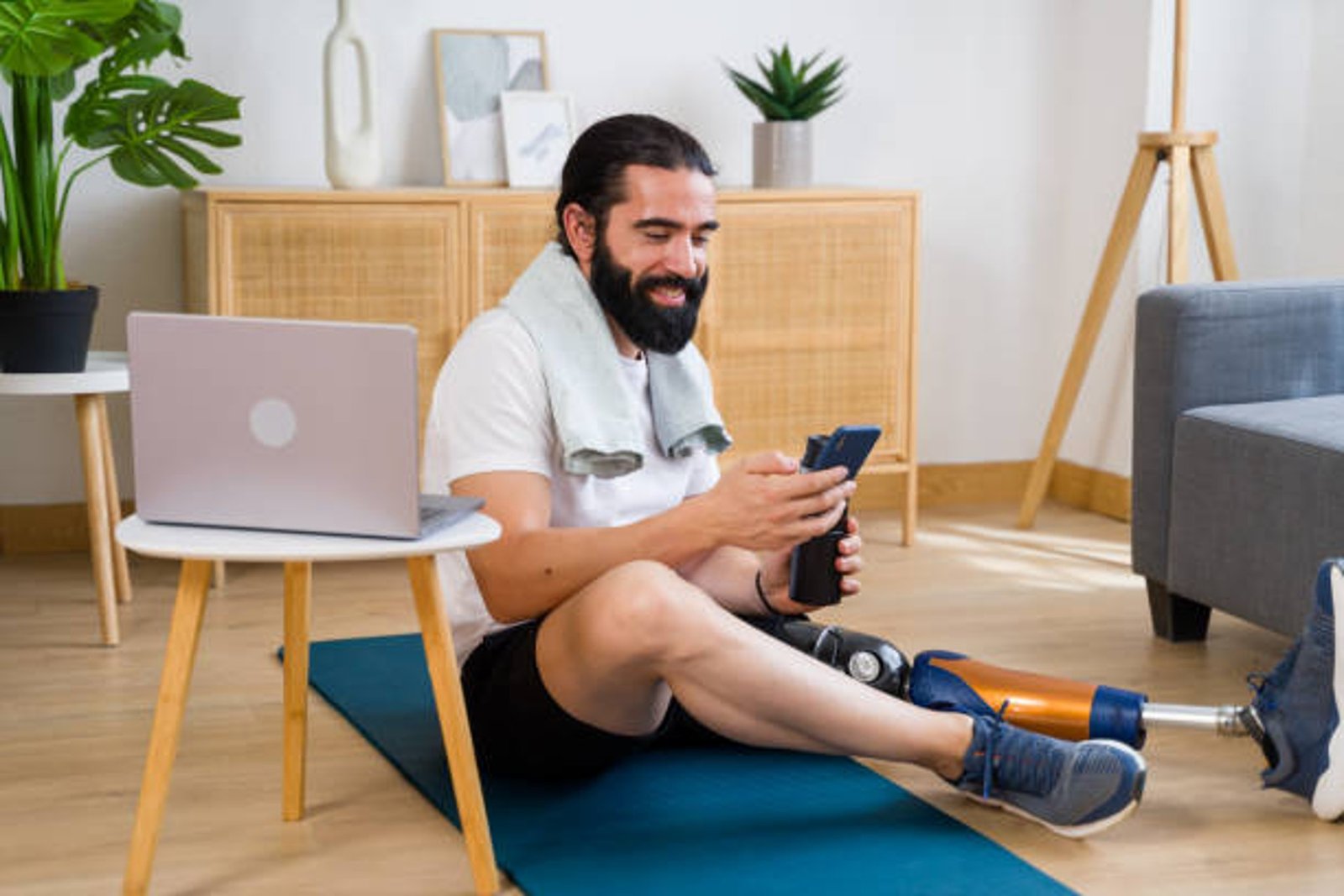
Life is fast and busy. We rush from work to home and back. Many people do not pay attention to their health. Sitting long hours at a desk or commuting every day can hurt your body in many ways. Poor posture and low mobility make pain worse over time. Simple habits can keep your body strong, active and pain-free.
This guide shows easy ways to improve your health. You do not need a gym or hours of free time. Small changes in mobility posture and daily routines make a big difference. By following these steps, you can feel more energetic and stay healthy even with a busy schedule.
Why Mobility Matters?
Mobility is the ability to move your joints and muscles freely. Good mobility reduces stiffness and lowers the risk of injury. It helps you bend stretch and reach without strain. People with better mobility feel less tired and move more comfortably.
- Reduces Pain: Good mobility lowers stiffness and joint pain.
- Prevents Injury: Flexible muscles and joints reduce risk of strains.
- Improves Energy: Easier movement makes daily tasks less tiring.
- Boosts Balance: Mobility enhances coordination and stability.
- Supports Flexibility: Daily stretches keep muscles and joints agile.
Daily exercises for hips, shoulders, and spine can improve mobility quickly. Simple moves like arm circles, leg swings, shoulder rolls and gentle stretches are effective.
The Power of Good Posture
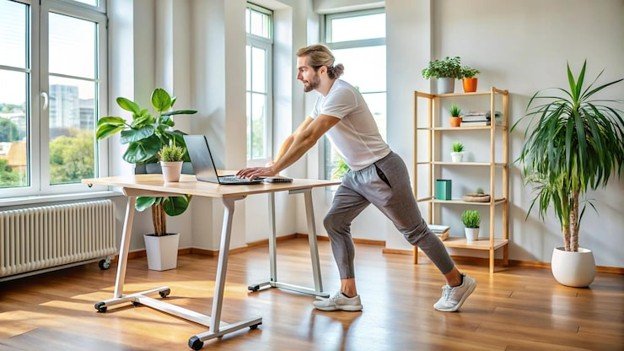
Posture is how you hold your body when sitting, standing or moving. Sitting or standing incorrectly for long periods can cause back neck and shoulder pain. Good posture keeps your spine aligned and your muscles balanced. It improves breathing, digestion and circulation. To improve posture, sit with your feet flat on the floor and shoulders relaxed.
Check your screen height and chair setup at work. Stand tall and avoid slouching even when tired. Small adjustments make a big difference over time. Good posture also boosts confidence and reduces fatigue. You will notice better focus and less tension in your body.
Simple Habits for Busy Lives
Even small habits can boost health and make life easier. Drink water regularly to stay hydrated. Take short breaks from sitting every hour. Walk or stretch for five to ten minutes. Eat balanced meals with fruits, vegetables, proteins and healthy fats. Sleep well to repair your body and mind. These habits do not take much time but give strong results if practiced daily.
Plan your day to include movement and meals. Keep reminders to drink water or stretch. Prepare simple healthy snacks to avoid unhealthy options. Consistency in small habits builds strong health over weeks and months.
Exercises You Can Do Anywhere
You do not need a gym or fancy equipment to stay fit. Desk exercises help you stay active during work hours. Shoulder shrugs neck rolls and seated leg lifts improve mobility and posture. At home try squats lunges push-ups and gentle stretches. Walking even short distances improves circulation and strengthens muscles.
Simple exercises improve strength flexibility and posture over time. Consistency matters more than intensity. You can start with five to ten minutes a day and gradually increase. Include movements for all major muscle groups. Focus on correct form and breathing.
Ergonomic Setup at Work
Your work setup affects your health more than you realize. Adjust your chair to support your lower back. Keep your monitor at eye level to avoid neck strain. Use a keyboard and mouse at a comfortable height to prevent wrist pain. Avoid sitting too long without breaks. Small changes reduce discomfort and improve posture throughout the day.
An ergonomic setup also increases productivity and focus. Consider using a standing desk if possible. Add cushions or supports to improve comfort. Position your feet flat on the floor and knees at ninety degrees. Simple adjustments prevent long term injuries and make your workday easier.
Mindful Movement Techniques
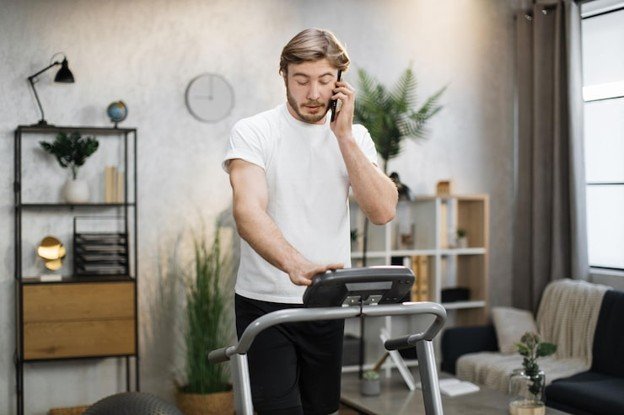
Mindful movement means paying attention to your body while moving. Yoga tai chi and gentle stretching are great options. These practices improve balance strength flexibility and mental focus. Mindful walking or simple stretching routines reduce stress and tension. Breathing deeply while moving improves oxygen flow and relaxes muscles.
Mindful movement connects body and mind for better overall health. Even a few minutes of focused movement daily helps maintain posture and mobility. You become more aware of how you sit stand and move. This awareness prevents bad habits and encourages healthy movement patterns.
Nutrition Tips for Busy People
Food gives energy to stay active and alert. Eat whole grains fruits vegetables lean proteins and healthy fats. Avoid excess sugar fried and processed food. Healthy snacks like nuts fruits and yogurt keep energy levels steady.
- Eat whole grains, fruits vegetables, lean proteins and healthy fats
- Avoid excess sugar fried and processed foods
- Keep healthy snacks like nuts fruits and yogurt for steady energy
- Plan meals ahead to save time and avoid unhealthy options
- Stay hydrated and eat regularly to support metabolism and focus
Plan meals ahead to save time and avoid unhealthy options. Hydration is important along with nutrition. A well-balanced diet supports mobility and posture by strengthening muscles and joints.
Sleep and Recovery
Sleep is crucial for repair and recovery. Lack of sleep increases fatigue and poor posture. Adults need seven to nine hours of quality sleep. Keep a regular sleep schedule and create a calm environment. Avoid screens and bright lights before bed. Stretch lightly or do gentle yoga to relax muscles.
Quality sleep improves focus, energy, mood, and body alignment. Recovery includes short rest periods during the day. Even brief naps or relaxation exercises help muscles recover. Busy people often underestimate sleep but it is essential for long-term health.
Tracking Progress
Keep track of your improvements to stay motivated. Note how far you can stretch or how long you can stand comfortably. Monitor posture and daily habits like water intake and exercise. Tracking progress helps identify what works best for you. Celebrate small wins to stay consistent and encouraged.
You can use apps journals or simple notes to record progress. Reviewing improvements weekly or monthly shows visible results. Busy people benefit from tracking because it creates accountability.

FAQs
Q1. How often should I stretch?
Stretch daily for ten to fifteen minutes. Short sessions work better than long ones.
Q2. Can desk exercises help posture?
Yes, shoulder shrugs, neck rolls, and seated leg lifts reduce stiffness and improve posture.
Q3. How much water should I drink daily?
Drink six to eight glasses every day. Hydration improves energy and focus.
Q4. Is walking enough for mobility?
Yes, walking improves joint movement and keeps muscles active.
Q5. Can sleep affect my posture?
Yes, poor sleep increases fatigue and tension, which affects posture over time.
Final Thoughts
Health is not about long workouts or strict routines. Small steps in mobility posture and smart habits make a big difference. Busy people can stay strong and active with simple exercises and mindful choices. Track progress and stay consistent. Good posture and movement reduce pain boost energy and improve focus.
Start today and enjoy a healthier life even with a busy schedule. Small habits repeated every day create strong long-term results. Your body will thank you with better comfort, strength, and energy.



Полное раскрытие темы: разработка документов по охране труда под ключ
доставка цветов цветы в коробке Омск
Вся суть в источнике: разработка документов по охране труда под ключ
Все подробности в источнике: разработка нормативных документов по охране труда
Смотреть подробный отчет: взять займ микро онлайн
Great content! Keep up the good work!